Introduction
Businesses today need software that can adapt to changing customer expectations, support remote teams, and handle increasing amounts of data. Traditional software solutions may not always provide the flexibility and accessibility that growing organisations require. This is why Software as a Service (SaaS) has become an important part of modern business technology.
SaaS platforms allow users to access applications through the internet without managing the entire software infrastructure themselves. From customer relationship management to financial operations and project management, SaaS solutions help businesses simplify everyday activities and improve operational efficiency.
Choosing the right SaaS development company is an important step for organisations planning to build a reliable, secure, and scalable software product.
What Is SaaS Development?
Software as a Service development involves designing and building cloud-based applications that customers can access through a web browser or connected device.
Unlike traditional software that may require individual installation and maintenance, SaaS applications are generally hosted on cloud infrastructure and maintained centrally.
Common SaaS features include:
User registration and authentication
Subscription management and recurring billing
Cloud-based data storage
Multiple user roles and permissions
Application programming interfaces (APIs)
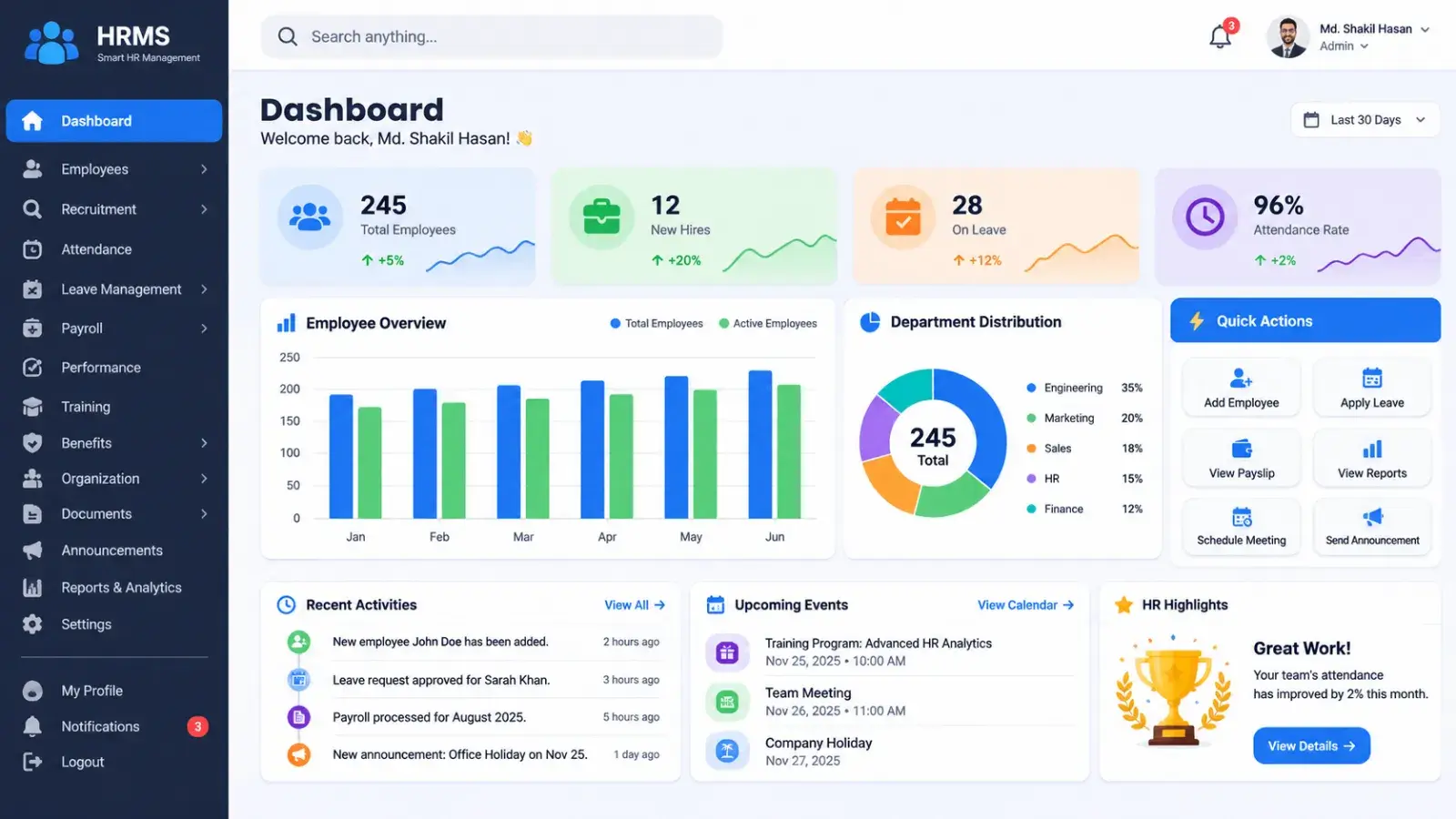
Reporting and analytics dashboards
Automated software updates
These features allow businesses to deliver software services through flexible subscription-based models.
Why Businesses Are Investing in SaaS Platforms
SaaS technology offers several advantages for businesses looking to modernise their operations.
1. Accessibility and Flexibility
Users can access cloud-based applications from supported devices and locations with an internet connection. This makes collaboration easier for distributed teams.
2. Scalable Infrastructure
A well-designed SaaS platform can accommodate changing business requirements. Its infrastructure can be planned to support increasing users, data volumes, and application workloads.
3. Centralised Maintenance
Software updates, security improvements, and infrastructure management can be handled centrally, reducing the need for individual installations.
4. Subscription-Based Business Models
SaaS products can support recurring subscriptions, usage-based pricing, free trials, and different service plans.
5. Better Business Insights
Integrated analytics and reporting tools help organisations understand product usage, customer activity, and operational performance.
Important Features of a Modern SaaS Application
Building a successful SaaS product requires more than developing an attractive interface. Its architecture and underlying functionality must support long-term reliability.
Some important considerations include:
Multi-Tenant Architecture: Allows multiple customers to use the same application infrastructure while maintaining appropriate separation of their data.
Security and Access Management: Authentication, role-based permissions, encryption, and access controls help protect application information.
Subscription and Billing Integration: Automated billing and subscription management simplify payment processes and account administration.
API Integration: APIs allow SaaS applications to connect with other business systems and services.
Analytics and Reporting: Dashboards provide useful information about application usage and business performance.
Cloud Infrastructure: A suitable cloud environment supports application availability, deployment, and future expansion.
How to Choose the Right SaaS Development Partner
Selecting a technology partner requires careful consideration. Businesses should evaluate more than just development costs and delivery timelines.
Here are some important factors:
Technical expertise: Review experience with cloud platforms, application architecture, databases, and modern development frameworks.
Security practices: Understand how the development team approaches data protection, access management, and security testing.
Scalability planning: Check whether the proposed architecture can accommodate future product requirements.
Communication: Look for transparent project updates, clear documentation, and regular development reviews.
Post-launch support: Consider maintenance, monitoring, performance improvements, and future feature development.
A suitable development partner should understand the business objectives and translate them into a practical technology solution.
How Prime Networks Supports SaaS Platform Development
Businesses planning to launch or improve a cloud-based product need a development approach that considers architecture, security, functionality, and future growth.
primenetworks provides SaaS platform development as part of its wider software engineering services. Its website describes solutions involving multi-tenant architecture, subscription and billing functionality, API-first architecture, role-based access, embedded analytics, and AI features.
The company also describes a development process covering architecture design, core platform development, feature development, and production launch.
For organisations exploring SaaS development, these capabilities provide a starting point for discussing product requirements and technical possibilities.
Learn more about Prime Networks SaaS Platform Development.
The Future of SaaS Development
SaaS applications continue to evolve as businesses adopt artificial intelligence, automation, advanced analytics, and cloud technologies.
AI-powered assistants, intelligent search, automated workflows, and predictive analytics are becoming useful additions to modern software products.
However, businesses should evaluate these technologies according to their actual requirements. Security, data privacy, system reliability, and user experience should remain important considerations throughout development.
A well-planned SaaS platform can provide a foundation for introducing new capabilities as business needs change.
Conclusion
SaaS development is helping businesses create accessible, flexible, and scalable digital products. From subscription management to cloud infrastructure and analytics, every component contributes to the overall performance of a software platform.
Choosing an experienced SaaS development company can help organisations plan their product architecture, build essential functionality, and prepare for future requirements.
To explore SaaS platform development and other software engineering capabilities, visit primenetworks.
Join the conversation
Discussion0
Join the conversation. Sign in to leave a response or reply to comments.