Tooth pain can disrupt even the simplest parts of daily life. Eating becomes uncomfortable, cold drinks trigger sensitivity, and sometimes the discomfort continues even when the mouth is at rest. Many people initially ignore these symptoms, hoping they will disappear on their own. However, persistent pain can indicate damage or infection inside a tooth that requires professional attention.
One treatment dentists may recommend in such situations is Root Canal Johar Town. Although the procedure is often associated with fear and discomfort, modern dental techniques have made it a practical way to treat infection while preserving a natural tooth.
What Happens When the Inside of a Tooth Becomes Infected?
A tooth is not completely solid. Beneath its hard outer enamel and dentin is a soft inner area called the pulp. It contains nerves, blood vessels, and connective tissue that support tooth development.
Deep decay, repeated dental procedures, cracks, or physical injuries can allow bacteria to reach this area. Once the pulp becomes inflamed or infected, the problem may cause severe pain, sensitivity, swelling, or discomfort when biting.
Sometimes, an infected tooth causes very few noticeable symptoms. This is one reason regular dental examinations matter, even when there is no obvious pain.
Why Removing the Tooth Is Not Always the First Choice
When a tooth becomes severely damaged, extraction may seem like the simplest solution. However, removing a natural tooth can create additional considerations, including changes in chewing function and the possible need for a replacement.
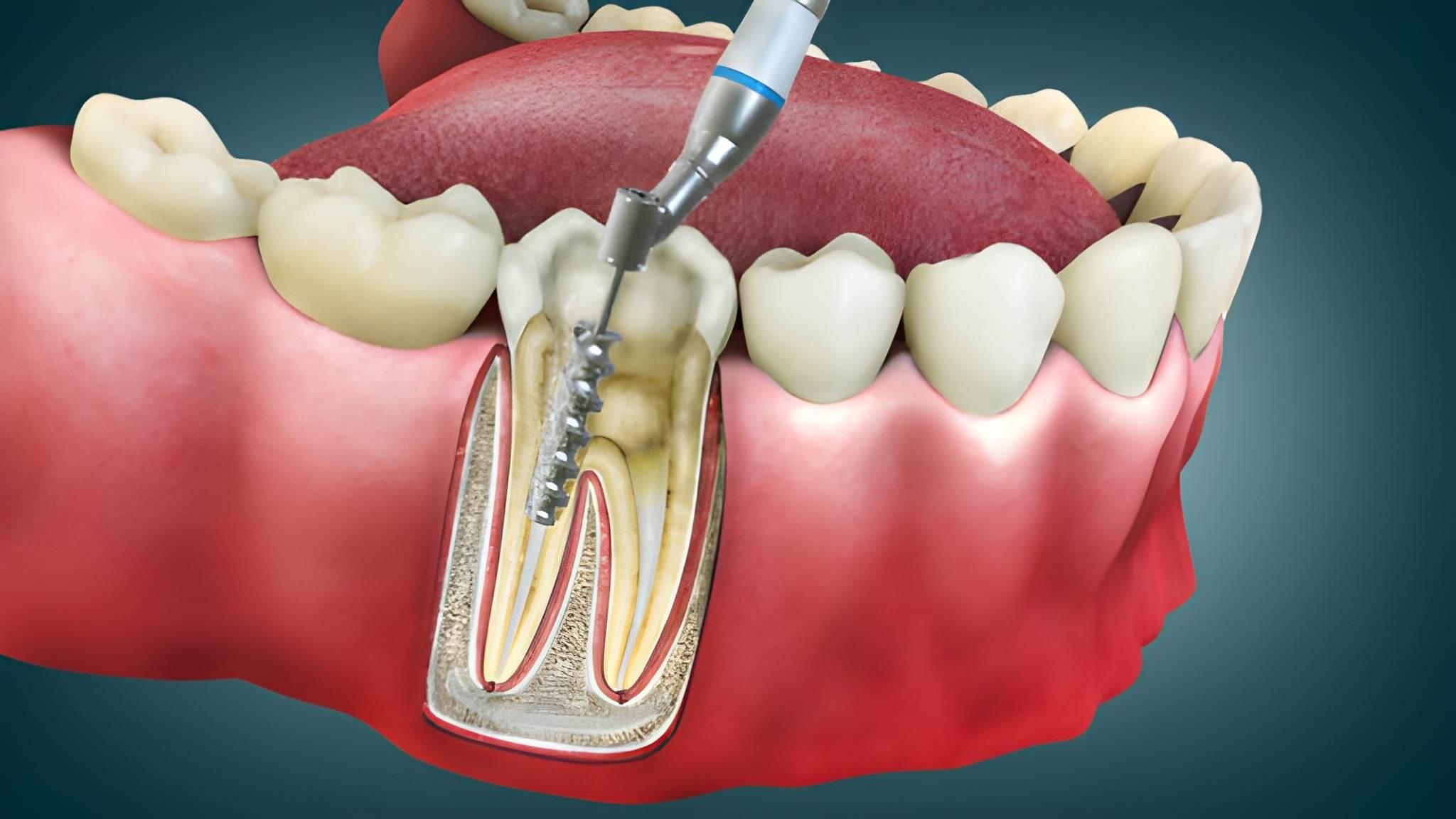
A root canal treatment aims to remove infected or damaged pulp while retaining the remaining natural tooth structure. After cleaning and disinfecting the internal canals, the dentist fills and seals the space. The tooth may then require a suitable restoration, often a dental crown, depending on its condition.
Preserving the natural tooth can help maintain normal biting function and avoid some of the complications associated with tooth loss. However, whether it is possible depends on the amount of remaining healthy tooth structure and the extent of the damage.
What Should Patients Expect During the Procedure?
Understanding the treatment process can make the experience less intimidating. Although individual cases differ, a typical procedure involves several stages.
1. Examination and diagnosis
The dentist evaluates the affected tooth, checks the symptoms, and may take dental X-rays to understand the infection and root structure.
2. Local anaesthesia
The area is numbed before treatment begins. This helps prevent pain during the procedure, although some pressure or vibration may still be noticeable.
3. Cleaning the infected area
A small opening is made in the tooth to access the pulp. The damaged tissue is removed, and the internal canals are cleaned and shaped.
4. Sealing the canals
The cleaned canals are filled with a suitable dental material and sealed to reduce the risk of further bacterial contamination.
5. Restoring the tooth
A permanent filling or crown is placed according to the tooth's condition and functional requirements.
Patients considering Root Canal Johar Town should ask their dentist how many appointments may be needed and what type of final restoration is recommended.
Is Pain After a Root Canal Normal?
Some tenderness or mild discomfort can occur after treatment, particularly if the surrounding tissues were already inflamed. This usually improves as healing progresses.
Following the dentist's instructions is important. Patients should avoid putting excessive pressure on the treated tooth until the recommended restoration is completed.
Severe or increasing pain, noticeable swelling, fever, or symptoms that do not improve should be discussed with a dental professional promptly. These signs should not be ignored.
Choosing a Dentist Is About More Than Location
Convenience matters when arranging dental appointments, but the quality of diagnosis and treatment planning deserves greater attention. Patients should look for a qualified dental professional who explains the condition clearly, discusses available options, and answers questions about the procedure.
Before starting treatment, it is reasonable to ask about:
The condition and expected prognosis of the affected tooth.
Whether X-rays or additional investigations are required.
The estimated number of appointments.
The type of restoration needed after treatment.
Expected costs and any follow-up requirements.
For people researching Root Canal Treatment in Johar Town, Elora Dental & Aesthetics can be part of broader online research, but the final choice of dental provider should be based on verified clinical qualifications, experience, and appropriate treatment facilities.
When Should You Seek Dental Attention?
Persistent toothache, sensitivity to heat or cold, gum swelling, pain while chewing, and a recurring unpleasant taste can all justify a dental assessment. These symptoms don't automatically mean you need a root canal, but they should be evaluated rather than treated with repeated temporary fixes.
Facial swelling accompanied by difficulty breathing or swallowing requires immediate emergency medical attention.
Protecting Your Natural Smile
A root canal is not simply a procedure for relieving toothache. Its main purpose is to treat disease inside a tooth and preserve the natural structure when possible. With an accurate diagnosis, appropriate treatment, and proper restoration, many treated teeth can continue functioning for years.
Exploring Root Canal Johar Town should therefore begin with understanding the cause of the problem, discussing treatment options, and choosing a qualified dentist. Acting early can sometimes prevent an infection from becoming more complicated and give the affected tooth a better chance of being saved.
Join the conversation
Discussion0
Join the conversation. Sign in to leave a response or reply to comments.