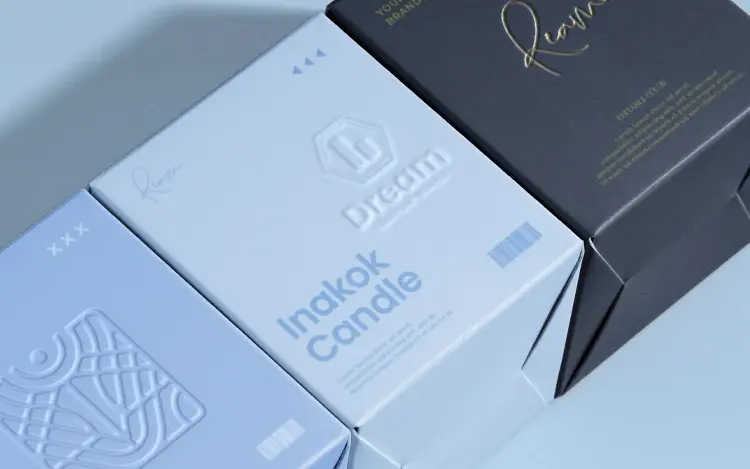
Packaging plays an important role in how textile products are presented, protected, stored, and delivered to customers. Whether a business sells clothing, bedsheets, towels, fabrics, scarves, or other textile products, the right packaging can improve product presentation and create a positive customer experience.
Businesses generally choose between custom textile packaging and standard packaging. Standard packaging offers ready-made solutions that are often convenient and economical, while custom textile packaging allows companies to select specific materials, dimensions, printing, and structural features according to their products and branding requirements.
Both options have advantages, but the right choice depends on a company's budget, product range, target audience, and marketing objectives. Understanding the differences between custom textile packaging and standard packaging can help businesses make informed decisions.
What Is Custom Textile Packaging?
Custom textile packaging refers to packaging designed specifically for textile products and the requirements of a particular business. It can be manufactured in different sizes, shapes, materials, and styles to accommodate products such as clothing, towels, curtains, bedsheets, and fabric rolls.
Unlike generic packaging, custom solutions allow businesses to incorporate their brand identity through logos, colors, product details, and printed graphics.
Common custom textile packaging options include:
Custom garment boxes.
Printed clothing boxes.
Custom fabric packaging bags.
Kraft textile boxes.
Corrugated shipping boxes.
Custom apparel mailer boxes.
Fabric roll packaging.
Custom gift boxes for textile products.
These solutions help businesses create a consistent presentation while selecting packaging features that suit their products.
What Is Standard Textile Packaging?
Standard textile packaging consists of ready-made packaging options manufactured in common sizes and designs. Businesses can purchase these packaging products without investing in a fully customized structure or printed design.
Standard packaging is commonly used by manufacturers, wholesalers, retailers, and small businesses that need practical packaging for everyday operations.
Examples include:
Plain cardboard boxes.
Standard poly bags.
Generic garment bags.
Unprinted kraft bags.
Ready-made shipping cartons.
Basic paper wrapping.
Standard fabric storage bags.
These options are generally convenient because businesses can select from existing products and use them with minimal preparation.
1. Customization and Design Flexibility
One of the biggest differences between custom textile packaging and standard packaging is design flexibility.
Custom packaging gives businesses greater control over the appearance and structure of their boxes and bags. Companies can choose specific dimensions, materials, colors, printing methods, and finishing options according to their products.
For example, a premium clothing brand may choose a rigid box with a printed logo and a carefully arranged interior. A bedsheet manufacturer may require a larger box with a viewing window and clear product information.
Standard packaging offers fewer customization opportunities. Businesses generally select from available sizes, colors, and structures. Although labels and stickers can add some branding, the overall design remains limited by the ready-made packaging.
Better option: Custom textile packaging is better for businesses that need distinctive designs and product-specific packaging.
2. Brand Identity and Recognition
Packaging is an important part of brand communication. Customers often recognize a company through its logo, colors, typography, and overall presentation.
Custom textile packaging allows businesses to incorporate these elements directly into their packaging. Consistent branding can make products easier to identify across retail stores, online marketplaces, and promotional campaigns.
For instance, a fashion company can use branded apparel boxes, custom printed garment bags, and matching shipping packaging to create a consistent identity.
Standard packaging usually has a plain appearance. Businesses can add branded stickers or labels, but these methods may not provide the same level of visual consistency as fully customized packaging.
Better option: Custom packaging is generally more effective for building brand recognition and creating a professional appearance.
3. Product Protection and Safety
Textile products may appear less fragile than electronics or glassware, but they still require suitable protection during storage, handling, and transportation.
Clothing, fabrics, towels, and bedding can be affected by dust, moisture, dirt, compression, and rough handling. Packaging should help maintain their cleanliness and condition until they reach customers.
Custom textile packaging can be designed around specific product requirements. Businesses can choose suitable box dimensions, closures, liners, and protective materials.
Standard packaging can also provide effective protection when the correct size and material are selected. However, a ready-made box may not always fit a particular textile product properly.
For example, an oversized carton may allow products to shift during transportation, while a box that is too small may compress folded garments unnecessarily.
Better option: Custom packaging offers more control over product fit, but both options can work well when their dimensions and materials are appropriate.
4. Cost and Budget Considerations
Cost is an important factor when choosing between custom and standard textile packaging.
Standard packaging is often more affordable for businesses with limited budgets or straightforward packaging requirements. Since these products are manufactured in common sizes and designs, companies can purchase them without paying for specialized tooling or extensive customization.
Custom textile packaging may involve additional expenses related to:
Custom dimensions and structures.
Printing and graphic design.
Special materials.
Decorative finishes.
Custom inserts and compartments.
Sampling and production setup.
However, the final cost depends on order quantity, material selection, manufacturing methods, and design complexity.
Businesses should also consider the total cost of packaging rather than focusing only on the unit price. Poorly fitting standard packaging may require additional fillers, labels, or handling, which can affect overall expenses.
Better option: Standard packaging is usually more suitable for minimizing initial costs, while custom packaging may provide greater long-term branding value.
5. Product Presentation and Customer Experience
The way textile products are packaged can influence how customers perceive their quality.
Custom textile packaging allows businesses to create an organized and attractive presentation. A well-designed garment box, printed fabric bag, or premium textile gift box can make a product feel more carefully presented.
This is especially useful for businesses selling luxury clothing, wedding fabrics, designer scarves, premium bedding, and gift items.
Standard packaging generally focuses on convenience and basic product containment. It can protect textile products effectively but may not create a distinctive unboxing experience.
A business that wants to improve customer presentation can also include branded tissue paper, product information cards, or simple thank-you messages.
Better option: Custom textile packaging is generally better for creating a memorable customer experience.
6. Material Selection and Sustainability
Material selection influences packaging performance, appearance, and environmental impact.
Custom textile packaging allows businesses to choose materials according to their sustainability objectives and product requirements.
Common options include:
Recycled Cardboard
Recycled cardboard uses recovered paper fibers and can be used for clothing boxes, storage packaging, and shipping cartons.
Kraft Paperboard
Kraft paperboard offers a natural appearance and can support simple, minimalist packaging designs. It is commonly used for apparel packaging, fabric products, and retail boxes.
Corrugated Cardboard
Corrugated cardboard provides structural strength and is useful for transporting larger or heavier textile products.
Reusable Fabric Bags
Reusable fabric bags can be suitable for selected textile products, retail packaging, and promotional applications. Their environmental benefits depend on material sourcing, durability, and actual reuse.
Paper-Based Wrapping
Paper-based wrapping can be used for lightweight textile products and may reduce the need for additional packaging components.
Standard packaging is also available in recyclable and recycled materials. However, businesses may have fewer choices when selecting specific material grades or packaging structures.
It is important to remember that recyclability depends on the complete packaging design, including coatings, adhesives, inks, and local recycling facilities.
Better option: Custom packaging offers greater material-selection flexibility, although standard packaging can also be a responsible choice when suitable materials are available.
7. Packaging Sizes and Product Fit
Textile products come in different shapes, weights, and dimensions. A folded shirt requires different packaging from a bedsheet set, curtain, fabric roll, or large blanket.
Custom textile packaging can be manufactured according to exact product dimensions. This helps businesses create a better fit and avoid unnecessary empty space.
For example:
Small garment boxes can accommodate folded shirts and scarves.
Larger boxes can hold clothing sets and bedding products.
Long packaging structures can accommodate fabric rolls.
Custom mailer boxes can be designed for e-commerce clothing orders.
Standard packaging is available in common sizes. It may work well for businesses selling products with consistent dimensions, but companies with unusual product sizes may need to adjust their packing methods.
Better option: Custom packaging is better for specialized products, while standard packaging is suitable for common sizes and straightforward requirements.
8. Storage and Transportation Efficiency
Packaging dimensions and construction can influence storage space, warehouse organization, and shipping efficiency.
Custom textile packaging can be designed to match product dimensions and transportation requirements. A well-sized box may reduce unnecessary empty space and help businesses organize shipments more efficiently.
Standard packaging offers convenience because businesses can purchase common sizes in advance. However, maintaining several standard box sizes may be necessary when a product range includes different dimensions.
Both options should be evaluated according to:
Warehouse storage capacity.
Packaging dimensions.
Product weight.
Shipping carton strength.
Stacking requirements.
Transportation conditions.
Businesses should also consider whether packaging can be stored flat before assembly. Flat-packed packaging can help reduce storage requirements.
Better option: Custom packaging provides more control over dimensions, while standard packaging may be easier to source and manage for businesses with predictable requirements.
9. Printing and Branding Opportunities
Printing is another important difference between custom textile packaging and standard packaging.
Custom solutions can include full-color graphics, logos, product descriptions, size information, care instructions, and other relevant details.
Common printing options include:
Digital printing.
Offset printing.
Flexographic printing.
Screen printing for suitable packaging materials.
Businesses can also consider finishing options such as embossing, debossing, or selected surface treatments when appropriate.
Standard packaging usually comes with limited or no printing. Companies may use stickers, stamps, or separate labels to add brand information.
These alternatives can be practical, but they may require additional steps during packaging operations.
Better option: Custom textile packaging is better for businesses that want integrated printing and a consistent visual identity.
10. Flexibility for Different Textile Industries
Different textile businesses have different packaging needs. A clothing retailer may prioritize presentation, while a fabric wholesaler may focus on protection and transportation.
Custom packaging can be developed for several textile categories, including:
Fashion and apparel: Custom clothing boxes, garment bags, and mailer boxes.
Bedding products: Packaging for bedsheets, blankets, pillowcases, and comforter sets.
Home textiles: Boxes and bags for towels, curtains, and table linens.
Fabric manufacturers: Protective packaging for fabric rolls and textile bundles.
Luxury textiles: Premium presentation boxes for designer fabrics and specialty garments.
E-commerce brands: Custom shipping boxes and mailers for online orders.
Standard packaging can serve many of these industries as well, particularly when businesses sell products in common sizes and do not require extensive branding.
Better option: Custom packaging is more adaptable for specialized product ranges, while standard packaging works well for basic and repetitive packaging needs.
11. Order Quantities and Availability
Order quantity can influence which packaging option makes more financial sense.
Standard textile packaging is generally available in ready-made sizes, making it useful for businesses that need packaging quickly or require small quantities.
Custom packaging may involve minimum order quantities, production setup, design approval, and manufacturing lead times. These requirements vary between suppliers and packaging types.
Businesses should consider:
Required packaging quantity.
Available storage space.
Production lead time.
Supplier availability.
Seasonal demand.
Future packaging requirements.
Companies with stable product demand may benefit from planning custom packaging orders in advance. Smaller businesses can begin with standard packaging and introduce custom designs as their operations grow.
Better option: Standard packaging is often more convenient for immediate and low-volume requirements, while custom packaging can be suitable for planned production runs.
12. Which Packaging Option Is Better for E-Commerce Textile Businesses?
E-commerce businesses need packaging that protects products during transportation while creating a positive delivery experience.
Custom textile packaging can help online retailers establish a recognizable identity. Branded mailer boxes, custom garment bags, and appropriately sized shipping cartons can improve presentation and provide suitable protection.
Standard packaging can also be effective for online businesses, particularly when cost control and quick fulfillment are priorities.
The best option depends on the business model.
For example, a premium fashion brand may benefit from custom mailer boxes and branded inner packaging. A wholesale textile supplier may prefer standard corrugated cartons that prioritize efficient shipping and storage.
Businesses should choose packaging that balances product protection, shipping costs, presentation, and operational convenience.
Custom Textile Packaging vs. Standard Packaging: Comparison Table
Feature | Custom Textile Packaging | Standard Packaging |
|---|---|---|
Design flexibility | High | Limited |
Branding opportunities | Extensive | Basic |
Product fit | Can be made to specific dimensions | Available in common sizes |
Initial cost | Often higher | Often lower |
Material selection | More flexible | Depends on available stock |
Printing options | Multiple customization options | Usually limited |
Product presentation | More distinctive | Generally simple |
Availability | Requires production lead time | Often readily available |
Order quantities | May have minimums | Often flexible |
Best suited for | Branded and specialized products | Basic and routine packaging |
How to Choose the Right Textile Packaging for Your Business
Choosing between custom and standard packaging requires a clear understanding of your business requirements.
Consider the following factors before making a decision:
Define your packaging goals: Decide whether your priority is branding, product protection, cost control, or shipping efficiency.
Understand your products: Review product dimensions, weight, folding requirements, and sensitivity to moisture or dirt.
Set a realistic budget: Compare material costs, printing expenses, order quantities, and storage requirements.
Evaluate your target audience: Premium customers may appreciate customized presentation, while wholesale buyers may prioritize practical packaging.
Consider your sales channels: Retail shelves, online deliveries, and bulk transportation may require different packaging formats.
Request samples: Test packaging dimensions, construction, material quality, and printing before approving a large order.
Review supplier capabilities: Confirm available materials, customization options, minimum quantities, and production timelines.
By reviewing these factors, businesses can select packaging that supports their operational needs and brand objectives.
Common Mistakes to Avoid When Selecting Textile Packaging
Choosing unsuitable packaging can increase costs and affect customer satisfaction. Businesses should avoid the following mistakes:
Selecting boxes without measuring textile products.
Prioritizing appearance over product protection.
Choosing packaging that is unnecessarily large.
Ignoring moisture and dust protection.
Using inconsistent branding across product categories.
Ordering custom packaging without reviewing samples.
Overlooking storage and shipping requirements.
Making unsupported sustainability claims.
Selecting materials that are unsuitable for the intended product.
Careful planning helps businesses avoid unnecessary packaging expenses and maintain a consistent presentation.
Conclusion
Both custom textile packaging and standard packaging offer useful advantages, but they serve different business requirements. Standard packaging is often more convenient and affordable for routine operations, common product sizes, and businesses with limited customization needs.
Custom textile packaging provides greater control over design, dimensions, branding, and material selection. It is particularly useful for companies that want to create a distinctive product presentation, improve customer experience, and maintain a consistent brand identity.
The best option depends on your product range, budget, target audience, and packaging goals. By considering these factors carefully, textile businesses can choose a solution that protects their products while supporting long-term business growth.
Frequently Asked Questions
1. What is the difference between custom textile packaging and standard packaging?
Custom textile packaging is designed according to specific product dimensions, materials, and branding requirements. Standard packaging consists of ready-made boxes and bags available in common sizes and designs.
2. Is custom textile packaging better for clothing brands?
Custom textile packaging can be beneficial for clothing brands because it offers more opportunities for branding, product presentation, and consistent packaging design. It is especially useful for businesses selling premium or distinctive apparel products.
3. Is standard textile packaging more affordable?
Standard packaging is often more affordable because it does not require specialized designs, printing, or manufacturing setup. However, actual costs depend on material, quantity, size, and supplier pricing.
4. What materials are used for custom textile packaging?
Common materials include kraft paperboard, recycled cardboard, corrugated cardboard, and other paper-based materials. Fabric bags and protective liners may also be used depending on the product and packaging requirements.
5. Can custom textile boxes include company logos?
Yes. Custom textile boxes can include company logos, brand colors, product information, graphics, and other design elements through suitable printing methods and finishing techniques.
6. Which packaging is better for textile shipping?
Both options can work for shipping when properly designed. Custom packaging offers better control over product fit, while standard corrugated cartons can provide practical and economical protection for many textile shipments.
7. Are eco-friendly textile packaging options available?
Yes. Businesses can choose recycled cardboard, kraft paperboard, responsibly sourced paper, and reusable fabric bags. The environmental impact depends on material sourcing, packaging construction, reuse, and local disposal facilities.
8. Can small textile businesses afford custom packaging?
Many small businesses can access custom packaging by selecting simple structures, standard material grades, limited printing, and manageable order quantities. Minimum order requirements vary by supplier.
9. What should businesses consider before ordering custom textile packaging?
Businesses should evaluate product dimensions, material strength, printing requirements, order quantity, budget, storage space, and shipping conditions. Reviewing physical samples before bulk production is also recommended.
10. Can custom textile packaging improve brand recognition?
Yes. Consistent logos, colors, typography, and packaging designs can help customers recognize a business across different products and sales channels. A distinctive packaging experience can also strengthen customers' overall perception of the brand.



Join the conversation
Discussion0
Join the conversation. Sign in to leave a response or reply to comments.