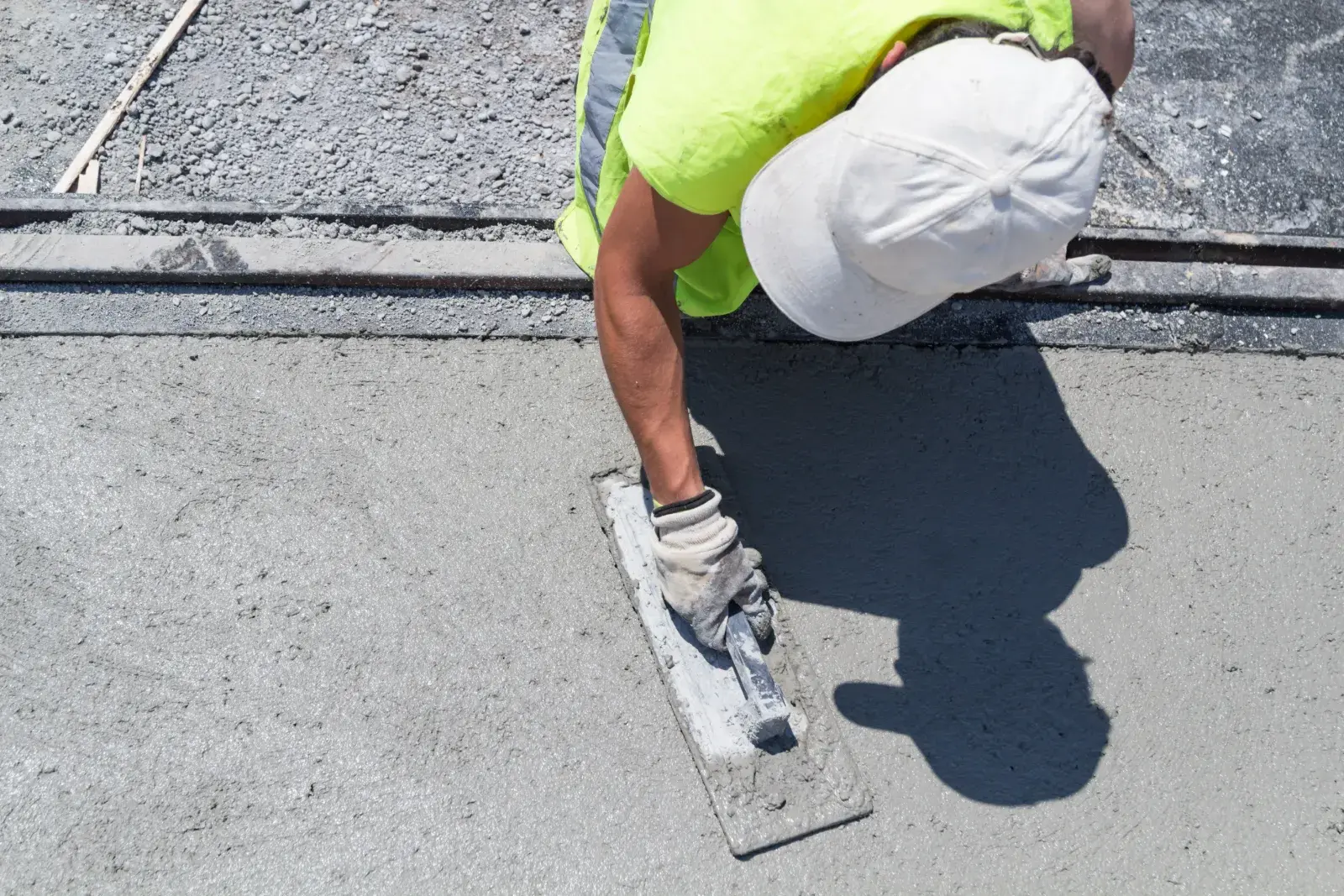
Living near the Gulf offers beautiful scenery, refreshing sea breezes, and an outdoor lifestyle that many people enjoy. However, coastal conditions also create special considerations for residential and commercial construction. Concrete surfaces around Galveston experience moisture, salt exposure, rainfall, and changing temperatures throughout the year. Property owners planning Concrete Leveling Contractor Galveston TX services should understand how the surrounding environment influences concrete performance and the condition of existing surfaces. An experienced Concrete Contractor Galveston, TX considers local exposure conditions when evaluating materials, site preparation, drainage, and installation methods. Understanding these environmental influences makes it easier to plan durable patios, walkways, foundations, concrete driveways, and commercial surfaces.
Understanding Galveston's Coastal Weather Conditions
Galveston's climate is influenced by its location along the Gulf Coast. Warm temperatures, humid air, rainfall, and tropical weather systems are important considerations for local construction.
These conditions can influence how concrete is placed, how it cures, and how exterior surfaces perform over time.
Humidity and Moisture Exposure
High humidity means that moisture is an important consideration for outdoor concrete. Water can collect in poorly drained areas, while repeated exposure can influence the condition of surface finishes and surrounding materials.
Proper site grading and suitable drainage planning help manage unwanted water accumulation.
Rainfall and Storm Conditions
Galveston experiences substantial rainfall and occasional severe tropical weather. The National Oceanic and Atmospheric Administration describes the region as having a warm, humid maritime climate, with tropical systems capable of producing significant rainfall and strong winds.
For concrete construction, weather forecasts matter. Heavy rain during placement can interfere with the intended finish and installation process.
Temperature Changes
Concrete installation requires suitable environmental conditions. Temperature and moisture influence curing, so contractors should plan placement and surface protection according to the weather.
How Salt Air and Coastal Moisture Influence Concrete
Salt exposure is one of the most important environmental considerations for reinforced concrete near the coast.
Salt carried through sea spray or coastal water can introduce chloride ions into concrete. When these substances reach embedded steel reinforcement in the presence of moisture and oxygen, corrosion may occur.
Why Reinforced Concrete Needs Attention
Reinforcement provides additional strength to concrete structures. The concrete surrounding the steel helps protect it from environmental exposure.
However, chloride penetration can compromise that protection over time. Federal Highway Administration research discusses how chloride exposure can contribute to corrosion of reinforcing steel in concrete.
Choosing Suitable Materials
A concrete mixture should be selected according to the project's specifications and exposure conditions.
Depending on the application, important considerations may include:
Appropriate concrete strength.
Suitable water to cement ratio.
Adequate concrete cover over reinforcement.
Proper reinforcement specifications.
Suitable placement and curing practices.
A knowledgeable Concrete Contractor Galveston, TX should discuss the appropriate requirements for the particular structure rather than recommending one mixture for every application.
Surface Protection and Ongoing Care
Concrete surfaces exposed to coastal conditions benefit from regular observation. Homeowners should look for unusual cracking, surface deterioration, and areas where water collects.
The appropriate maintenance approach depends on the surface, its age, and its exposure.
Why Proper Drainage Matters for Coastal Concrete
Drainage is an important part of concrete construction because standing water can affect the surrounding soil and contribute to moisture related concerns.
Even a well finished concrete surface may experience problems when the ground beneath it is not prepared appropriately.
Ground Preparation
Before concrete placement, the ground should be assessed for stability, grading, and compaction requirements.
Loose or unsuitable soil may influence how the surface performs after installation.
Managing Rainwater
Concrete patios, walkways, and driveways should be planned with appropriate slopes and drainage arrangements.
Water should move toward suitable drainage areas rather than collecting against buildings or in frequently used spaces.
Considering Nearby Landscaping
Trees, garden beds, irrigation systems, and other landscape features can influence ground moisture.
A professional Concrete Contractor Galveston, TX should consider these surrounding conditions when planning the finished surface.
Best Practices for Installing Concrete Near the Coast
Coastal construction requires attention to materials, preparation, placement, and curing. Each stage contributes to the finished result.
Plan the Installation Carefully
The contractor should understand the project's purpose, dimensions, expected loads, and environmental exposure before selecting construction methods.
Residential patios and commercial surfaces may require different specifications.
Follow Appropriate Placement Procedures
Concrete should be placed and finished according to the project specifications. Proper handling helps achieve the intended surface appearance and structural properties.
Allow Appropriate Curing Time
Curing supports the development of concrete strength and durability. The surface should receive appropriate protection from unfavorable weather and premature loading.
Select Suitable Reinforcement
Where reinforcement is required, its type, position, and concrete cover should follow the applicable design and specifications.
These details are particularly important for concrete structures exposed to coastal moisture and salt.
Maintaining Concrete Surfaces in a Coastal Environment
Routine observation helps property owners understand how their concrete surfaces change over time.
Keep Surfaces Clean
Remove accumulated dirt, leaves, and debris using cleaning methods appropriate for the concrete finish.
Monitor Drainage
Check whether rainwater moves away from the surface and surrounding structures. Pay attention to areas where water repeatedly collects.
Watch for Visible Changes
Look for unusual cracks, surface scaling, discoloration, and exposed reinforcement. Significant or changing conditions should be evaluated by an appropriate professional.
Follow Suitable Maintenance Recommendations
The right maintenance schedule depends on concrete type, installation quality, exposure, and everyday use.
A local Concrete Contractor Galveston, TX can help property owners understand suitable care practices for their particular surface.
Frequently Asked Questions
1. Does salt air damage concrete in Galveston?
Salt exposure can contribute to deterioration, particularly when chloride ions penetrate reinforced concrete and reach embedded steel. Moisture and oxygen also influence this process. Appropriate materials and construction practices help manage coastal exposure.
2. Does humidity affect concrete installation?
Humidity and temperature influence moisture conditions during placement and curing. Contractors should consider current weather and follow suitable installation procedures to help concrete develop its intended properties.
3. Why is drainage important for coastal concrete?
Effective drainage helps prevent unnecessary water accumulation around concrete surfaces and nearby foundations. Proper grading and suitable water management also help maintain stable conditions around the installation.
4. What concrete is suitable for coastal properties?
The appropriate mixture depends on the structure, exposure conditions, strength requirements, and design specifications. Reinforcement protection, concrete cover, and suitable curing practices are also important considerations.
5. How can homeowners maintain concrete near the coast?
Keep surfaces clean, monitor drainage, observe visible cracks or unusual changes, and follow suitable maintenance recommendations. Significant deterioration or exposed reinforcement should receive professional evaluation.
Conclusion
Galveston's coastal climate creates construction considerations that should never be overlooked. Salt air, moisture, rainfall, humidity, and tropical weather can influence concrete installation and long term performance. Choosing appropriate materials and following sound construction practices helps property owners make informed decisions about their projects.
An experienced Concrete Contractor Galveston, TX understands why coastal exposure deserves attention during planning and installation. Whether you are considering a residential patio, a commercial slab, or another concrete improvement, professional guidance can help you select suitable construction methods. To discuss your property and upcoming project, Discuss Your Project with Mouton Concrete Services and explore concrete services for your Galveston property.



Join the conversation
Discussion0
Join the conversation. Sign in to leave a response or reply to comments.