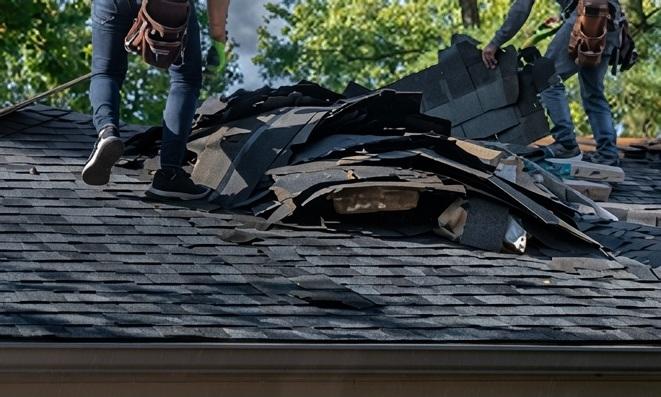
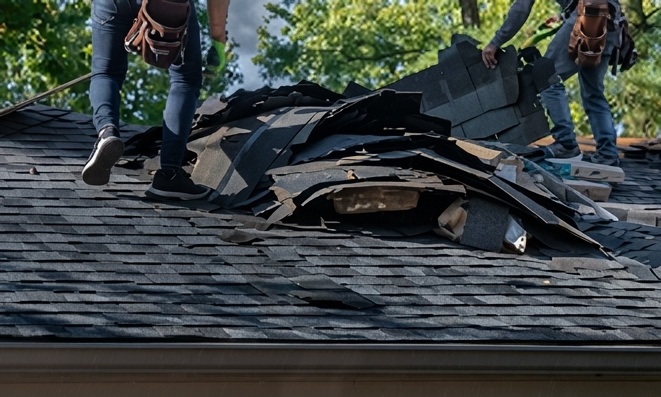
A storm can pass over a property in less than an hour, but the changes it leaves behind may not be obvious at first. A few branches might be scattered across the yard, a gutter could be slightly out of position, or a small patch of debris may remain near the roofline. These details can seem unrelated until water begins appearing in an attic or ceiling.
The difficulty with roof inspections after severe weather is that damage does not always look like a missing section of shingles. Wind can disturb the edges of roofing materials, hail can leave small impact marks, and heavy rainfall can reveal weaknesses around joints that were already under stress. Some changes appear immediately, while others become noticeable after several days.
A useful inspection starts with understanding what each type of weather can affect. Instead of looking for one obvious sign, pay attention to changes across the roof, drainage system, and interior spaces.
What Should You Look at First After a Storm?
Start with the ground around the building
The area surrounding a property can offer early clues about what happened above it. Look for fallen branches, pieces of roofing material, displaced gutter sections, and unusual debris near the exterior walls.
A few shingle fragments on the ground may indicate that part of the roof covering has come loose. Their presence does not reveal the full extent of the problem, but it gives you a reason to arrange a closer inspection.
Also check nearby trees. Freshly broken branches may have struck the roof, while scraped or damaged limbs can suggest that strong winds moved through the area.
Notice changes that were not there before
Knowing how the property looked before the storm makes new damage easier to recognize. A gutter that previously followed a straight line may now appear bent. A downspout could have separated from its connection, or a section of exterior trim may have shifted.
Photographs taken before severe weather can be useful for comparison. If no earlier pictures are available, compare similar sections on different sides of the building and look for unusual differences.
How Can Strong Winds Change the Condition of Roofing Materials?
Shingle edges can lose their original position
Wind does not need to remove an entire shingle to affect its condition. Strong gusts can lift edges, disturb sealed sections, or loosen materials around exposed roof boundaries.
A shingle may settle back into place after the wind passes, making the change difficult to notice from the ground. Yet repeated movement can weaken its attachment and create an opening for wind-driven rain.
Pay particular attention to roof edges, corners, and ridge areas. These locations can experience different wind pressures than the middle of a broad roof surface.
Ridge caps and roof edges deserve separate attention
The upper line of a roof is covered with ridge materials that protect the meeting point between two slopes. Strong winds can affect these sections, especially when their fastening or previous condition is already weak.
Look for uneven lines, missing pieces, or visible changes in the roof's outline from a safe viewing position. A shifted ridge cap may expose parts of the roof assembly that are normally protected.
What Does Hail Damage Look Like on a Roof?
Small impact marks can be more important than their size suggests
Hailstones strike roofing materials with different levels of force depending on their size, shape, speed, and the angle of impact. Some impacts leave visible marks, while others affect the protective surface without creating an obvious hole.
On asphalt shingles, hail may cause bruising, granule loss, or fractures. The affected area can look darker or slightly different from the surrounding surface.
A few scattered marks should not automatically be treated as proof that the entire roof needs replacement. Their location, number, severity, and effect on the roofing material all matter.
Granules in gutters can offer a useful clue
Asphalt shingles have a granule-covered surface that helps protect the underlying material. Hail impacts may loosen granules, allowing them to wash into gutters and downspouts.
Some granule loss also occurs naturally as shingles age. The useful clue is an unusual amount appearing after a storm, particularly when other impact marks are present.
A close inspection can help distinguish ordinary surface aging from changes caused by recent weather.
Can Heavy Rain Reveal Roof Damage That Was Already Present?
Water may expose weak points around roof connections
Heavy rainfall can place extra demand on valleys, flashing, gutters, and other drainage areas. A small gap around a chimney or wall connection may allow water through when runoff becomes concentrated.
These areas can be overlooked because the main roofing surface may still look sound. Yet water often enters through transitions rather than through the middle of an undisturbed shingle field.
After rainfall, check for new ceiling marks, damp attic insulation, or moisture around upper wall sections. These signs can indicate water entry, although the actual source may be some distance away.
Overflow can reveal a drainage problem
A gutter that overflows during intense rain may be blocked, poorly positioned, or unable to manage the incoming water. A storm can also move branches and other debris into the drainage system.
Look for fresh water marks below gutter edges, loose connections, or sections that appear to have changed position. Water running down exterior walls can eventually affect paint, trim, and nearby building materials.
How Can You Identify Roof Damage Around Flashing and Vents?
Flashing protects the places where roof surfaces meet other structures
A roof contains several transitions where different materials connect. Flashing is used around chimneys, skylights, walls, and other features to direct water away from vulnerable joints.
Strong winds or falling debris may disturb these connections. Heavy rain can then expose a gap that was difficult to notice during dry weather.
Look for visible separation, bent metal, missing sections, or unusual staining around these areas. Even a small change deserves attention if it creates a possible route for water.
Vent openings should not be overlooked
Plumbing vents and other roof openings interrupt the continuous roofing surface. Their surrounding boots and flashing components help keep rain outside.
A damaged rubber boot, loose metal collar, or shifted connection can allow water to enter around the opening. The nearby shingles may remain undisturbed, so checking only the main roof surface can miss the problem.
What Signs of Storm Damage Can Appear Inside the Building?
Ceiling marks may appear after the weather has cleared
A small brown mark, bubbling paint, or peeling ceiling finish can indicate that moisture has reached the interior. The mark may develop slowly as water moves through the roof assembly and reaches a visible surface.
Do not assume that the stain directly below a roof section identifies the entry point. Water can travel along wood framing, decking, or other building components before appearing indoors.
Photograph new marks and note when they first appeared. This record can help an inspector compare the timing of the moisture with recent weather conditions.
Attic changes can reveal problems earlier
An attic inspection, when it can be carried out safely, may reveal damp insulation, water marks on wood, or daylight showing through an unexpected opening.
Pay attention to the underside of the roof deck and areas around roof penetrations. A musty smell or unusually damp section may suggest moisture that has not yet reached a ceiling.
Avoid touching wet electrical components or entering an attic with signs of structural damage. A professional should assess areas that are unsafe or difficult to reach.
How Can You Identify Roof Damage Without Climbing Onto the Roof?
Use a ground-level view to check the roof's outline
A pair of binoculars can help you examine visible sections from a safe position. Look for uneven shingle lines, missing ridge pieces, displaced edges, and changes around roof openings.
Check each visible side rather than concentrating only on the front. Wind may affect one slope more heavily than another, depending on the direction and exposure of the storm.
Take photographs of visible changes
Photographs can help document the condition of the property after severe weather. Capture the roof from several safe viewpoints, along with any fallen materials, gutter changes, or interior moisture marks.
Keep the original images and note the date. If you later arrange an inspection, these records can help explain what changed and when you first noticed it.
A roofing company in Augusta GA can assess visible concerns and examine areas that cannot be checked safely from the ground.
Which Storm Damage Signs Should Be Checked First?
Different types of weather can leave different clues. The following comparison can help organize an initial inspection.
Weather event | Possible roof changes | Other areas to check |
Strong winds | Lifted shingle edges, disturbed ridge caps, displaced roofing materials | Gutters, trim, and nearby trees |
Hail | Granule loss, bruising, fractures, and impact marks | Gutters, metal vents, and exterior surfaces |
Heavy rain | Water entry around joints and drainage problems | Ceilings, attic insulation, and downspouts |
Falling branches | Punctures, cracked materials, and localized impact damage | Roof edges, nearby walls, and exterior fixtures |
Wind-driven rain | Moisture around flashing, vents, and wall connections | Upper walls, windows, and interior ceilings |
These are possible signs rather than automatic proof of storm damage. A professional inspection can determine which changes are weather-related and which may have existed before the event.
What Should You Do When You Notice Possible Storm Damage?
Record the condition before temporary changes are made
Take photographs of visible damage, fallen debris, water marks, and affected exterior areas. If water is entering the building, move furniture and belongings away from the affected space when it is safe to do so.
Keep damaged materials where they are when practical, especially if an insurance inspection may be needed. Avoid making permanent repairs before documenting the condition, unless immediate action is necessary to prevent further damage.
Arrange an inspection before a small issue spreads
A professional can examine roofing materials, flashing, valleys, drainage components, and the attic to determine what needs attention. If the roof is actively leaking, emergency protection such as tarping may help limit additional interior damage.
The repair plan should match the condition found during the inspection. Some properties may need a limited repair, while others may have damage across several connected sections.
Keep records of inspections and repair work
Save photographs, inspection notes, estimates, invoices, and any insurance-related documents. These records create a timeline of the damage and the steps taken afterward.
If a claim is being considered, clear documentation can make it easier to explain the condition of the roof. Coverage and claim decisions depend on the policy and the insurer's assessment, so avoid assuming that every weather-related change qualifies for payment.
Final Thoughts
Storm damage is not always easy to recognize from the ground. A roof can lose its protective granules, develop a small opening around flashing, or experience movement along its edges without showing a dramatic change in appearance.
The most useful approach is to look beyond missing shingles. Check the roof's outline, drainage system, flashing, vent openings, attic, and interior ceilings. Changes in several areas may help explain what happened during the storm and where further inspection is needed.
Early documentation and a suitable professional assessment can help prevent a minor roofing problem from becoming a larger moisture issue. A careful inspection also helps determine which repairs are actually necessary instead of relying on appearance alone.
Visit for new updates at candywrite.com
Join the conversation
Discussion0
Join the conversation. Sign in to leave a response or reply to comments.