
When communities share information, they gain opportunities to discuss common problems and make more informed collective decisions. Knowledge influences how societies understand their history, organise institutions, develop cultural values, and respond to changing circumstances.

Knowledge as a Foundation for Collective Understanding
Shared knowledge develops through education, family traditions, public discussions, scientific discoveries, and everyday social interactions. These different sources help individuals understand experiences beyond their immediate surroundings and recognise connections between communities.
For example, knowledge about agriculture can influence farming practices, food distribution, and decisions about environmental protection. When researchers share findings with farmers and public institutions, practical improvements become possible across different regions.
Literacy plays an important role because reading and communication allow information to move between generations. UNESCO reported that global adult literacy reached approximately 88 percent in 2024, reflecting considerable progress alongside continuing educational inequalities.
The Role of Institutions in Preserving Knowledge
Schools, universities, libraries, museums, and research organisations help societies organise and preserve information. These institutions provide opportunities to examine established ideas, question existing explanations, and develop knowledge through systematic investigation.
Universities contribute by connecting research with teaching and professional development. Their findings can influence public services, technological development, healthcare practices, and discussions about economic or environmental challenges.
However, institutions do not always distribute knowledge equally across society. Differences in educational access, language, income, and digital resources can influence who benefits from available information.
How Shared Knowledge Influences Social Decisions
Public understanding can shape discussions about issues such as healthcare, employment, environmental protection, and economic development. When reliable information becomes widely accessible, communities can evaluate proposals using evidence rather than relying entirely on assumptions.
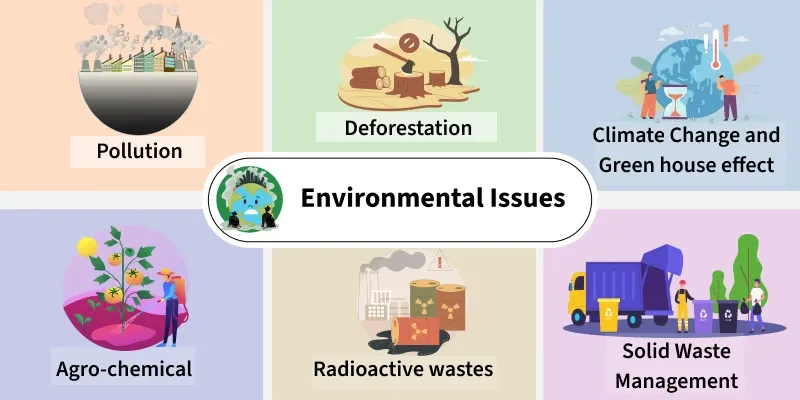
Consider public awareness of air pollution and its effects on respiratory health. Scientific findings shared through schools, healthcare organisations, and public campaigns can encourage discussions about transport and industrial emissions.
Different communities may interpret the same information through different cultural experiences and economic priorities. Understanding these differences helps institutions communicate more effectively without assuming everyone faces identical circumstances.
Challenges in a Changing Information Environment
Digital platforms allow information to circulate rapidly across geographical and cultural boundaries. They also make it easier for misleading claims, incomplete explanations, and unverified material to reach large audiences.
Developing critical thinking therefore becomes an important part of modern education. People need opportunities to compare sources, examine evidence, recognise uncertainty, and distinguish established findings from unsupported interpretations.
Shared knowledge influences society most effectively when information remains accessible, trustworthy, and open to examination. Strong educational and research institutions help communities make informed choices while adapting to changing circumstances.

Join the conversation
Discussion0
Join the conversation. Sign in to leave a response or reply to comments.