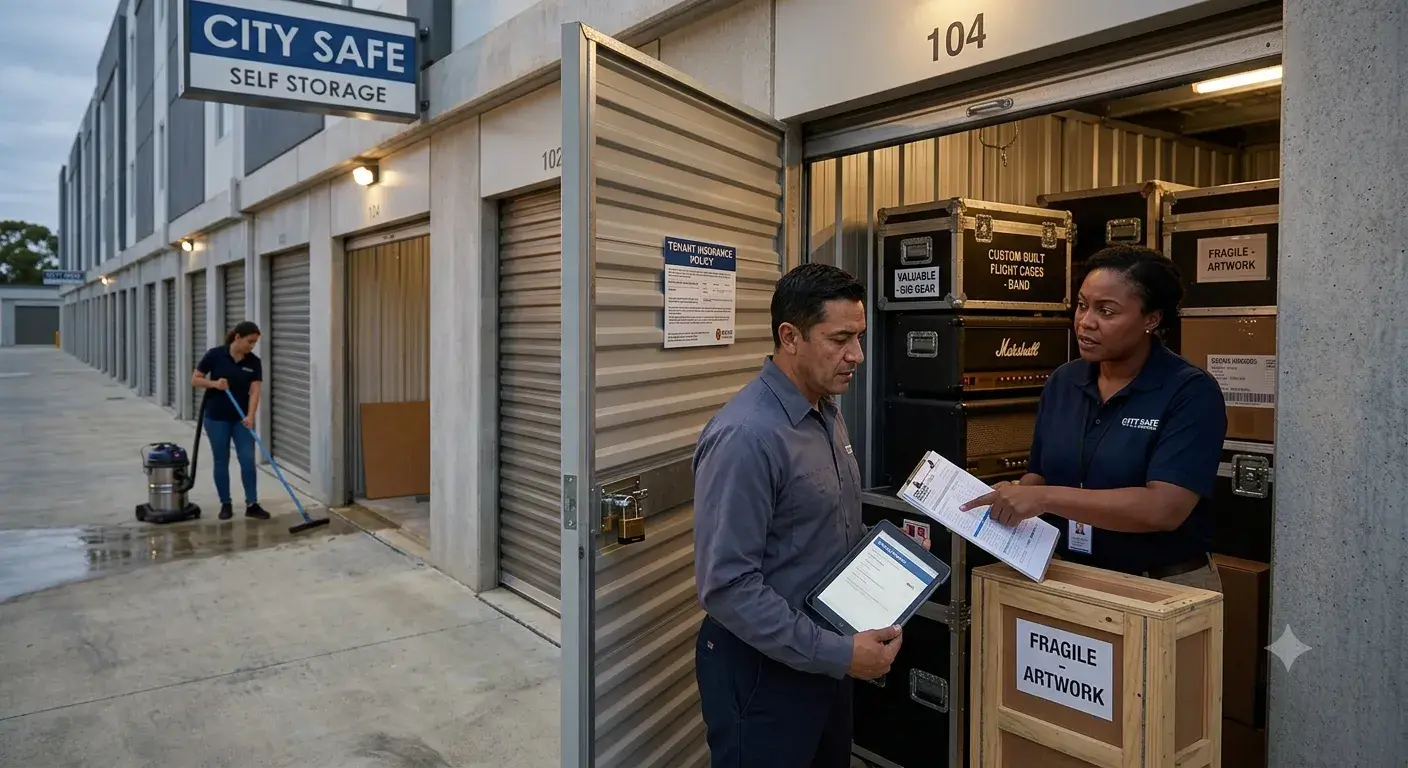
Some possessions carry stories that extend far beyond their purchase prices. Antique furniture, collectible coins, original artwork, and inherited family treasures often represent years of collecting or generations of memories. When limited household space makes self-storage necessary, choosing suitable insurance storage unit coverage becomes an important part of protecting these valuable belongings.
However, insuring collectibles and sentimental possessions is not always straightforward. Standard storage policies may include special restrictions for expensive items, while financial reimbursement cannot restore an irreplaceable family memory. Understanding the differences between ordinary contents coverage and specialized protection helps collectors make informed storage decisions.
Why Valuable Collections Require Different Storage Considerations
Ordinary household belongings are generally easier to replace than rare antiques or limited-edition collectibles. A damaged dining chair might have a readily available replacement, but an original painting or discontinued collectible could be considerably harder to obtain. This difference influences how owners should approach storage and insurance.
Valuable collections may also appreciate or depreciate depending on market demand, condition, and authenticity. Insurance policies do not necessarily reimburse their full collector value, even when a covered incident occurs.
Financial Value Versus Sentimental Importance
An inherited photograph album might have little commercial resale value but enormous personal significance. Similarly, a family heirloom can represent generations of history that cannot be reproduced. Owners should consider whether certain possessions are better kept in specialized facilities or secure locations outside ordinary self-storage.
How Insurance Storage Unit Coverage Applies to Collectibles
Storage insurance generally protects eligible belongings against specific causes of loss identified in the policy. Depending on the provider, these events may include burglary, fire, lightning, smoke, vandalism, and certain water-related incidents. However, the category of property being insured also influences eligibility.
Discount Storage Insurance offers dedicated self-storage protection and identifies several covered causes of loss. Nevertheless, its published guidance explains that jewelry, antiques, collectibles, artwork, and other high-value items may face special limitations.
Check Category-Specific Coverage Limits
An overall insurance limit does not automatically apply in full to every valuable possession. Certain property categories may have lower reimbursement limits or separate eligibility requirements. Confirm these provisions before storing expensive collections.
Understanding the Insurance Needs of Antique Furniture
Antique furniture often contains delicate materials, traditional construction techniques, and finishes that require careful handling. Temperature fluctuations, prolonged humidity, and improper stacking can affect its condition. Physical preservation therefore deserves as much attention as insurance coverage.
Before moving antique furniture, document visible details, including identifying marks, existing scratches, and distinctive features. Where appropriate, consult experienced furniture conservators about suitable packing materials.
Protect Original Finishes and Materials
Avoid wrapping delicate wooden surfaces tightly in materials that could trap moisture. Use suitable breathable protection and maintain space around fragile furniture. Heavy objects should never be placed directly against vulnerable antique surfaces.
Public Storage Insurance Options for Valuable Belongings
Commercial self-storage facilities provide convenient rental arrangements, but insurance requirements differ between operators. Some facilities offer protection plans, while others accept qualifying policies purchased independently. The availability of third-party coverage does not guarantee that every valuable possession qualifies.
Comparing public storage insurance options can help renters understand the protection available for ordinary contents and potentially restricted property. Discount Storage Insurance offers online coverage options with monthly pricing starting at an advertised $7.99.
Verify Eligibility Before Purchasing
Contact the insurer when planning to store artwork, antique furniture, collectible coins, or other unusually valuable possessions. Ask whether the property qualifies, whether special limits apply, and whether additional documentation is required. Obtain clarification before relying on the policy.
Storing Artwork Without Compromising Its Condition
Artwork presents unique challenges because different materials respond differently to environmental conditions. Oil paintings, watercolor pieces, framed prints, and sculptures may require different storage arrangements. Poor handling can create irreversible damage.
Original artwork should be protected against unnecessary pressure, vibration, and contact with unsuitable materials. Particularly valuable pieces may benefit from professional art storage rather than ordinary commercial units.
Choose Appropriate Environmental Conditions
Temperature fluctuations and humidity can affect paper, canvas, wood, and certain pigments. Climate-controlled storage may offer more stable conditions, although the actual controls vary by facility. Consult a qualified art conservator for particularly sensitive or valuable works.
Protecting Collectible Coins, Stamps, and Memorabilia
Collectibles often derive their market value from condition, rarity, and authenticity. Even minor damage can reduce the desirability of certain items. Proper packaging becomes especially important when collections remain unused for extended periods.
Use suitable archival materials for documents, photographs, and paper-based collectibles. Coins and similar objects may require specialized holders that minimize environmental exposure.
Keep Authentication Records Accessible
Collectors should retain certificates of authenticity, grading documentation, purchase receipts, and relevant ownership records. Store digital copies outside the storage unit. These records can help establish provenance and support insurance discussions.
Why Professional Appraisals Can Be Valuable
Determining the value of a collectible is not always as simple as checking its original purchase price. Market demand, condition, historical significance, and rarity may influence current estimates. Professional appraisals can provide useful supporting information when evaluating insurance needs.
However, an appraisal does not automatically guarantee reimbursement at the stated amount. The insurer's valuation provisions and any category restrictions still determine what an eligible claim may pay.
Review Appraisals Periodically
Collectible markets can change, sometimes significantly. An appraisal completed several years ago may not accurately reflect current market conditions. Updating valuations when appropriate helps owners make informed decisions about insurance limits.
Understanding Actual Cash Value and Replacement Costs
Insurance reimbursement often differs from the amount someone originally paid for a possession. Depending on the policy, settlements may consider actual cash value, repair costs, or comparable replacement property. These approaches can be particularly complicated for rare items.
Discount Storage Insurance states that property valuation is based on the lowest applicable amount among actual cash value, repair cost, and replacement with similar property. Collectors should understand how this provision could affect unusual possessions.
Rare Items May Be Difficult to Replace
A discontinued collectible or one-of-a-kind antique may not have an easily identifiable equivalent. Market prices can also vary between dealers, auctions, and private sales. These uncertainties make specialized insurance worth investigating for high-value collections.
Common Insurance Exclusions Collectors Should Understand
Storage insurance policies do not cover every form of damage. Gradual deterioration, certain moisture-related problems, pest damage, improper packing, and restricted property may fall outside coverage. This distinction matters because delicate collections can suffer damage without a sudden insured incident.
A painting that deteriorates gradually because of unsuitable humidity may receive different treatment from artwork damaged during a qualifying fire. Understanding the actual cause of loss is essential.
Ordinary Wear Is Not the Same as Accidental Loss
Older possessions naturally experience changes over time. Some materials discolor, weaken, or deteriorate even when carefully maintained. Insurance generally distinguishes gradual aging from sudden covered events.
Protecting Jewelry and Luxury Watches
Jewelry and luxury watches can represent substantial financial investments while occupying very little space. Their portability and value make them particularly sensitive property categories. Standard storage insurance may impose restrictions that make ordinary contents coverage unsuitable.
Consider alternatives such as appropriately insured safe-deposit arrangements or specialized secure storage. Owners should verify access conditions, insurance eligibility, and security standards before making a decision.
Consider Specialized Insurance
Scheduled personal property coverage or specialist collectible insurance may offer protection designed around particular valuable items. Eligibility, appraisal requirements, and insured risks differ between products. Comparing actual terms is more useful than assuming a general storage policy provides full protection.
How to Prepare Heirlooms for Extended Storage
Family heirlooms often include mixed materials such as fabric, paper, metal, ceramics, and wood. Each material may require different preparation to reduce preventable deterioration. Packing everything together without considering these differences can create unnecessary risks.
Clean and dry belongings using methods appropriate for their materials. Avoid excessive stacking and choose containers that provide suitable physical protection.
Separate Fragile and Heavy Possessions
Glassware, ceramics, and delicate decorative objects require adequate cushioning. Heavy furniture or equipment should remain separate from fragile containers. Clear labeling can also help prevent accidental damage during future retrieval.
Build a Detailed Collection Inventory
An inventory helps owners understand what has been stored and where individual items are located. For collections, basic descriptions may not be enough to establish identity or value. Additional documentation can provide a more complete record.
Record identifying marks, serial numbers, dimensions, materials, condition, and available ownership information. Photograph items from multiple angles when useful. Keep these records securely outside the facility.
Include Purchase and Ownership Records
Original receipts, auction invoices, appraisal documents, and authentication certificates may support ownership and valuation. Digital backups can reduce the possibility of losing essential records during an incident. Documentation is useful, but it cannot override exclusions or establish coverage for otherwise ineligible property.
When Specialized Storage May Be a Better Choice
Traditional self-storage facilities offer convenience, but not every collection belongs in a standard unit. Extremely delicate artwork, rare historical objects, and highly valuable jewelry may require specialized handling or security. Choosing the appropriate environment can be more important than selecting a larger insurance limit.
Professional storage providers may offer controlled environmental conditions, specialized handling procedures, and security arrangements. Their services should still be evaluated carefully because features and insurance requirements vary.
Match the Facility to the Collection
Consider temperature stability, humidity management, access controls, and handling requirements. Ask about restrictions affecting your specific belongings. A facility suitable for furniture may not be appropriate for fragile manuscripts or museum-quality artwork.
Reviewing Storage Insurance Before Moving Valuable Items
Before transferring collections into storage, calculate their approximate value and identify any restricted categories. Review the insurance agreement and confirm which possessions qualify for coverage. Consider whether additional specialized protection is necessary.
Discount Storage Insurance provides online enrollment, flexible coverage options, and claims assistance for eligible self-storage contents. Its published guidance also emphasizes checking restrictions on high-value items.
Confirm the Policy's Practical Limitations
Ask about exclusions, deductibles, valuation methods, and maximum reimbursement amounts. Confirm whether the policy covers the specific storage location and whether your facility accepts the insurance. These details help establish realistic expectations before an incident occurs.
Conclusion: Protect Both the Value and Condition of Your Collections
Collectibles, antiques, artwork, and family heirlooms require more thoughtful storage arrangements than ordinary household possessions. Their financial value, delicate materials, and potential restrictions under standard insurance policies make careful planning essential. Appropriate protection involves understanding coverage limitations while preventing avoidable physical deterioration.
Before moving valuable belongings into storage, prepare detailed records, evaluate environmental conditions, and confirm insurance eligibility. Discount Storage Insurance offers dedicated self-storage coverage options worth reviewing for qualifying property. When standard protection is insufficient, specialized insurance or alternative storage arrangements may provide a more suitable solution.
Join the conversation
Discussion0
Join the conversation. Sign in to leave a response or reply to comments.