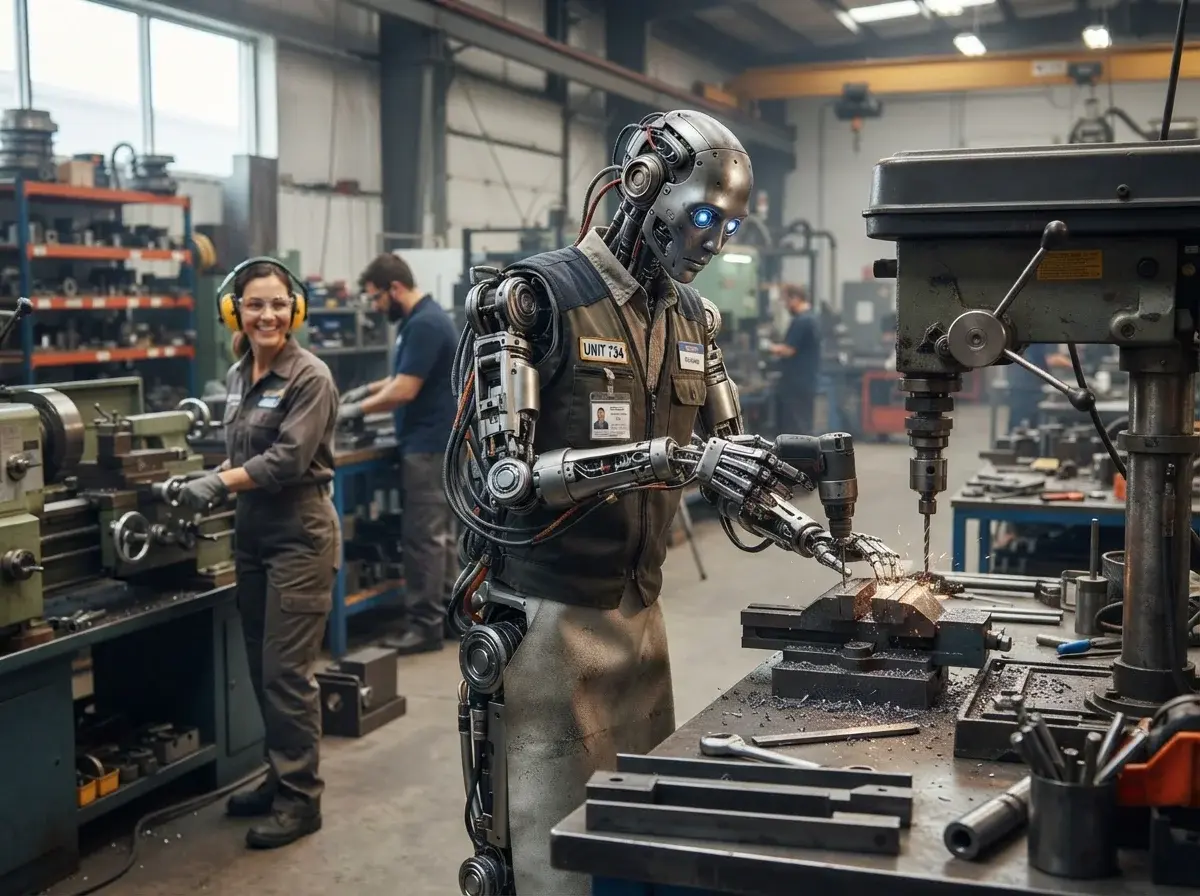
As artificial intelligence integrates into the fabric of global infrastructure, the question "is AI safe for the future?" has shifted from a philosophical inquiry to a critical policy priority. From the automated factories of Southeast Asia to the algorithmic financial hubs of North America and Europe, AI is no longer a futuristic concept—it is a present-day reality. Understanding the safety profile of these systems is essential for businesses, governments, and individuals alike.
The Dual Nature of AI Safety
AI safety is not a monolithic challenge. It spans three distinct domains that must be managed to ensure a secure transition toward a hyper-automated future:
* Technical Robustness: Ensuring models are secure against hacking, manipulation, and adversarial attacks. * Alignment: Guaranteeing that AI objectives remain strictly aligned with human values, preventing unintended outcomes. * Societal Impact: Managing the broader implications, such as labor displacement, mass surveillance, and the proliferation of misinformation.
Key Security Risks Facing the Global Landscape
While AI offers massive productivity gains, it creates new attack vectors that threat actors are actively exploiting.
1. Adversarial Machine Learning
Bad actors are increasingly using "prompt injection" or input poisoning to trick systems into bypassing safety protocols. A global survey suggests that over 60% of enterprise AI implementations are currently vulnerable to simple adversarial inputs, making technical hardening a top priority for global IT departments.
2. The Misinformation Epidemic
Perhaps the most pressing concern regarding "is AI safe for the future" is the rapid evolution of synthetic media. Deepfakes and generative text models can destabilize local democratic processes and public trust. Global initiatives, such as the C2PA (Coalition for Content Provenance and Authenticity), are currently working on digital watermarking standards to identify AI-generated content at scale.
Global Governance: Who is Managing the Safety Protocol?
Because the internet knows no borders, AI safety requires international cooperation. We are currently seeing a "Brussels Effect" in regulatory standards, where the EU AI Act is setting the gold standard for high-risk system auditing.
European Union: Emphasizes fundamental rights and strict classification of high-risk systems.
United States: Prioritizes innovation-friendly guidance, focusing on voluntary commitments from major tech firms (OpenAI, Google, Microsoft).
Global South: Emerging markets are focused on "inclusive AI," ensuring that safety mechanisms do not widen the digital divide or leave developing nations with outdated, insecure technology.
Building a Safer AI Ecosystem
To ensure AI is safe for the future, we must move beyond reactive regulation. Companies must adopt a 'Safety by Design' approach. This includes:
1. Red Teaming: Hiring ethical hackers to find flaws in AI before deployment. 2. Explainability (XAI): Moving away from "black box" models to systems where the decision-making process is transparent and auditable. 3. Cross-Border Collaboration: Establishing global safety standards that prevent a "race to the bottom" regarding safety protocols in developing nations.
Conclusion
Is AI safe for the future? The answer is not a simple yes or no. AI is a tool, and like any transformative technology—from electricity to the steam engine—it carries inherent risks. However, through rigorous safety frameworks, international cooperation, and a commitment to ethical alignment, we can mitigate these dangers.
Safety is not an endpoint; it is a continuous process of auditing, learning, and refining. For global stakeholders, the focus must remain on building systems that are transparent, resilient, and subservient to the public interest. By investing in these areas today, we can harness the immense potential of AI while keeping the future secure.




Join the conversation
Discussion0
Join the conversation. Sign in to leave a response or reply to comments.