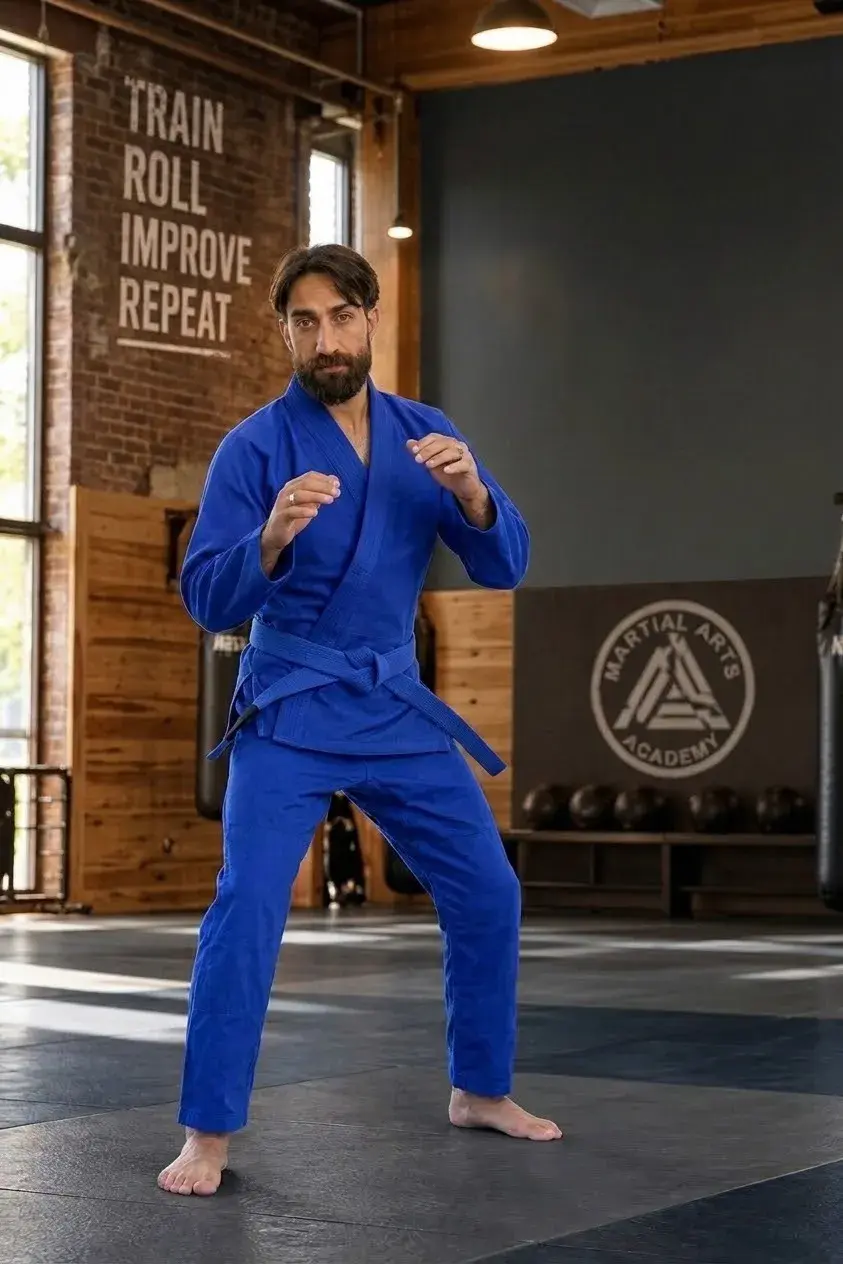
Men's BJJ gis come in different fabrics, weights, fits, and designs. Some are made for everyday training, while others are designed with competition requirements in mind. Understanding these differences can help you choose a gi that suits your body, training routine, and personal preferences.
Choosing the right jiu jitsu gi men is an important step for anyone starting Brazilian Jiu-Jitsu or looking to improve their training experience. A good gi should feel comfortable, allow free movement, and handle the demands of regular practice. Whether you are attending your first class, training several times a week, or preparing for a competition, the right uniform can help you focus on learning techniques rather than adjusting your clothing.
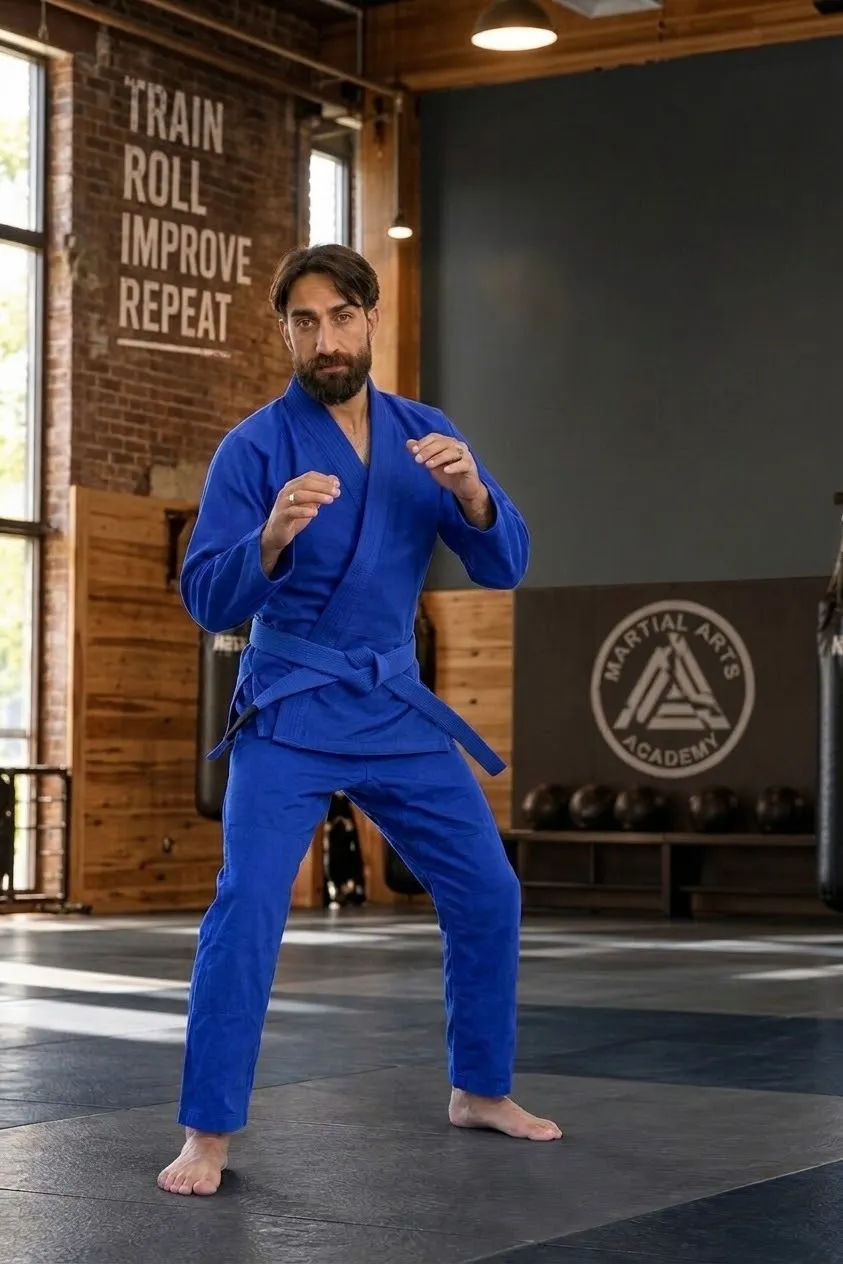
This guide explains the important details you should know before buying a gi, including fabric types, sizing, belts, customization, and proper care. It also covers the differences between training and competition gis so you can make a more informed decision.
Table of Contents
Understanding Different Types of Men's BJJ Gis
Choosing the Right Fabric and Weight
Finding the Best Fit and Size
Selecting a Gi for Training and Competition
Understanding BJJ Belts
Customized Gis for Athletes and Academies
Caring for Your Gi
Frequently Asked Questions
Understanding Different Types of Men's BJJ Gis
Not every gi is designed for the same purpose. A beginner who attends two classes each week may need something different from an experienced athlete who trains daily or competes regularly.
Before choosing a uniform, consider how often you train, where you practice, and what you expect from your equipment.
Lightweight Gis for Comfortable Training
Lightweight gis are a practical option for beginners and athletes who prefer less material during training. They are generally easier to carry, pack, and wear during longer sessions.
Their lighter construction can also make them suitable for warm training environments. However, lightweight fabric is not automatically less durable. The quality of the material, stitching, and reinforcement all affect how well a gi handles regular use.
If you train several times a week, look for a lightweight gi with strong stitching and a comfortable fit.
Midweight Gis for Everyday Use
Midweight gis offer a balance between comfort, durability, and flexibility. They are suitable for regular classes, drilling, and sparring.
For many practitioners, this type of gi is a sensible starting point because it can handle frequent use without feeling unnecessarily heavy.
A midweight gi can also be a practical choice for academies that need uniforms suitable for students with different training schedules.
Heavyweight Gis for a Traditional Feel
Heavyweight gis use thicker or more substantial fabric. Some athletes prefer them because they provide a sturdy feel during gripping and grappling.
However, heavier fabric can feel warmer during intense sessions and may take longer to dry after washing. It is important to consider your training environment before choosing a heavyweight uniform.
A heavier gi is not automatically better than a lightweight one. The right choice depends on comfort, construction, and how you plan to use it.
Choosing the Right Fabric and Weight
The fabric of a gi affects its weight, texture, flexibility, and durability. Different materials can also behave differently after repeated washing.
Understanding the common fabric options can help you choose a uniform that matches your training needs.
Pearl Weave
Pearl weave is a popular choice for BJJ jackets because it offers a balance of strength and manageable weight.
It is suitable for athletes who want a practical uniform for regular training. Pearl weave gis are available in different weights, so the weave name alone does not tell you exactly how heavy a particular gi will feel.
Single Weave
Single-weave fabric is generally lighter than heavier traditional weaves. It can be a comfortable option for beginners, summer training, or athletes who prefer a lighter uniform.
Its durability depends on the fabric quality, stitching, and how well the gi is maintained.
Gold Weave
Gold weave is another traditional fabric option. It is often selected by practitioners who prefer a more substantial feel without automatically choosing the heaviest available gi.
The exact weight and texture can vary between manufacturers. Checking the product specifications is more useful than relying on the weave name alone.
Ripstop Pants
Ripstop fabric is commonly used in gi trousers because its construction is designed to help limit the spread of small tears.
It can also provide a lightweight alternative to traditional cotton pants. If you plan to compete, check the event's uniform requirements before choosing a particular fabric or construction.
Finding the Best Fit and Size
A good gi should allow you to move freely without hanging excessively loose or feeling restrictive. The correct fit is especially important during grappling because your jacket and trousers move with your body throughout the session.
Check Your Height and Weight
Most gi size charts use a combination of height and weight. Your regular T-shirt or trouser size may not correspond directly to your gi size.
Start by measuring your height and checking your current weight. Then compare those measurements with the size chart for the particular gi you want.
If your measurements fall between two sizes, look at the cut and shrinkage information before deciding.
Check the Jacket
The jacket should close comfortably across your chest without pulling tightly around your shoulders.
Raise your arms, rotate your shoulders, and bend forward. The jacket should allow these movements without restricting your range of motion.
Check the sleeves as well. They should not be so short that they limit movement or so long that they interfere with gripping.
Check the Trousers
Your trousers should remain secure around your waist while allowing you to bend your knees and move your hips.
Try a deep squat, a lunge, and a few basic grappling movements. If the trousers pull tightly around your knees or restrict your hips, the fit may not be right.
Consider Shrinkage
Cotton and cotton-blend gis can shrink when exposed to excessive heat. A gi that fits perfectly before washing may become too small if it is dried incorrectly.
Follow the care label and avoid assuming that every gi will shrink by the same amount.
Selecting a Gi for Training and Competition
Your training needs may be different from your competition needs. A gi that feels comfortable during everyday classes may not be the best choice for a tournament.
Everyday Training
For regular classes, prioritize comfort, durability, and ease of maintenance.
If you train several times a week, having more than one gi can help you maintain a clean uniform without needing to wash and dry the same one immediately after every session.
Look for reinforced stitching in areas that experience repeated movement, such as the knees, underarms, and other high-stress points.
Competition Preparation
Competition rules can affect your choice of gi.
Before an event, check the required colors, fabric, fit, and patch placement. Different organizations may have different uniform requirements, so do not assume that a gi accepted at one event will automatically be accepted at another.
A competition gi should fit correctly, remain comfortable during movement, and meet the rules of the organization hosting the event.
Competition Day Checklist
Check the event's uniform requirements.
Make sure your gi is clean and completely dry.
Confirm that the sleeves and trousers fit correctly.
Inspect the stitching, collar, and belt.
Check that patches and other decorations are permitted.
Bring a spare gi if you have one available.
Preparing these details before competition day helps you focus on your performance rather than equipment problems.
Understanding BJJ Belts and Their Importance
A BJJ belt does more than keep your jacket closed. It also represents your current rank and progress in Brazilian Jiu-Jitsu.
The belt system helps instructors and practitioners understand the general experience level of students. Promotion requirements can vary according to the academy, instructor, and governing organization.
White Belt
The white belt is the starting rank for most adult practitioners.
Beginners use this stage to develop fundamental movements, defensive habits, and basic techniques. Learning how to move safely and understand the basic positions is an important part of this stage.
Blue Belt
The blue belt represents progress beyond the beginner stage.
Practitioners at this level continue developing their technical understanding and begin connecting techniques more consistently. Training often involves improving movement, escapes, and positional control.
Purple Belt
The purple belt represents an advanced level of training.
Athletes at this stage typically have a broader technical understanding and continue refining their personal style. They may also begin helping newer students understand basic techniques.
Brown Belt
The brown belt is an advanced rank that prepares practitioners for the black belt level.
Training often focuses on refining details, improving consistency, and developing a deeper understanding of techniques.
Black Belt
The black belt represents a high level of achievement in Brazilian Jiu-Jitsu.
It reflects years of training, technical development, and dedication. Receiving a black belt does not mean learning has ended; practitioners continue developing their skills throughout their journey.
When selecting a belt, make sure its length allows you to tie it securely. The belt should stay in place during training without being so long that the ends interfere with movement.
Customized Gis for Athletes and Academies
Some practitioners prefer a simple uniform, while others want a gi that reflects their personal style or academy identity.
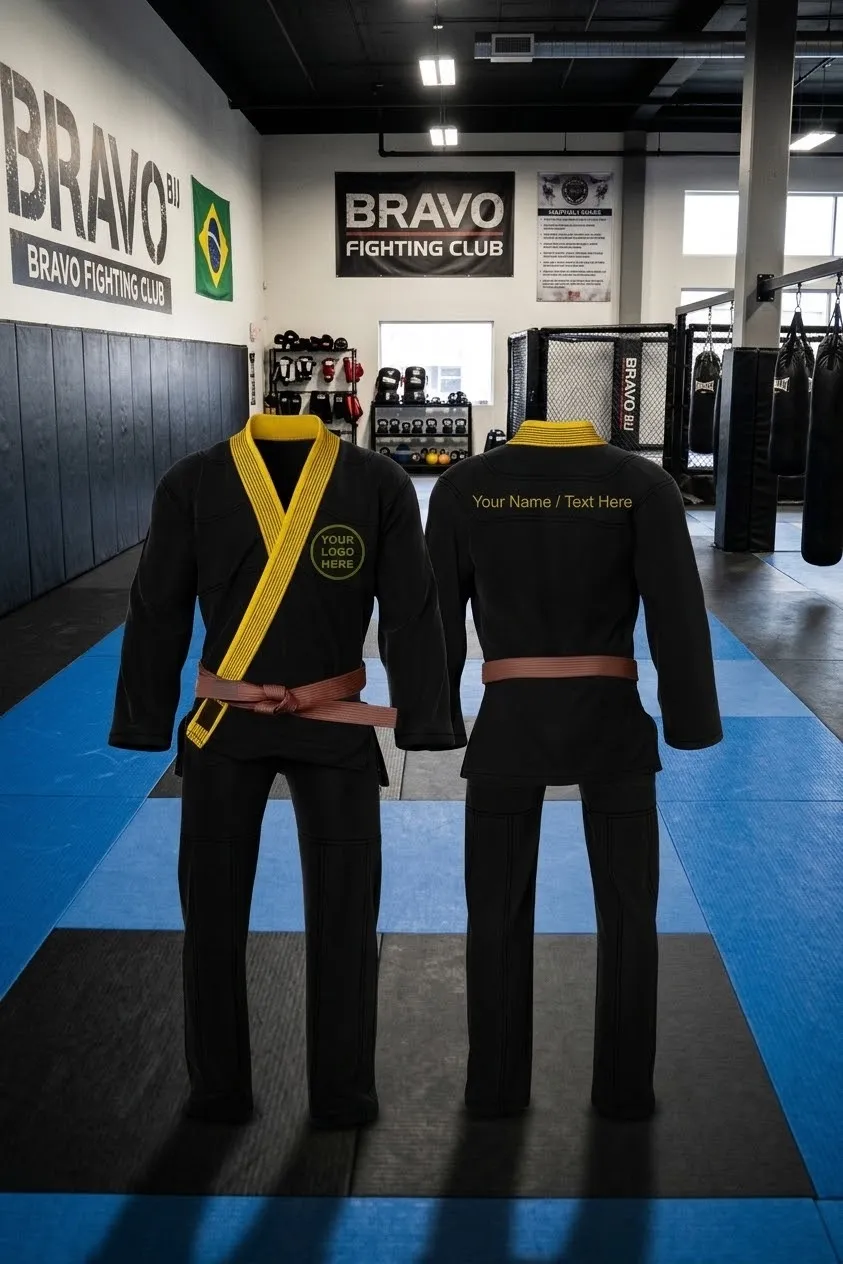
A custom bjj gi can be designed for an individual athlete or an entire academy. Customization may include different colors, embroidery, team logos, personalized names, and other design details.
Personal Gis
A personalized gi can include your name, preferred colors, or a design that reflects your interests.
Before choosing decorative elements, consider whether they are suitable for your training environment. If you compete, check whether the design and placement of decorations are allowed under the event's rules.
Academy and Team Gis
Academies may choose matching gis to create a consistent team appearance.
A coordinated uniform can help students feel connected to their training group and make the academy's identity more recognizable.
For clubs ordering multiple gis, it is useful to confirm sizing, color consistency, and logo placement before production begins.
Choosing a Custom Design
A practical design should balance appearance with everyday usability.
Consider the following before placing an order:
Select a color that suits your training needs.
Confirm the size and cut.
Choose decoration that does not interfere with movement.
Review the design before production.
Check whether the uniform will be used for competition.
These details can help you choose a gi that looks the way you want while remaining suitable for regular training.
Caring for Your Gi and Making It Last
Even a well-made gi needs proper care. Sweat, moisture, and repeated use can affect the fabric and cause unpleasant odors if the uniform is not cleaned properly.
Wash After Training
Wash your gi after every training session.
Avoid leaving a sweaty uniform inside a closed gym bag for long periods. If you cannot wash it immediately, take it out of the bag and allow it to air out until you can clean it.
Use Suitable Washing Conditions
Follow the manufacturer's care instructions.
Hot water and excessive dryer heat can cause shrinkage or affect the fabric. If you are unsure about the correct washing temperature, a cooler wash is generally a safer starting point for cotton-based gis.
Dry It Completely
Make sure the gi is fully dry before storing it.
A damp uniform can develop unpleasant odors and may become uncomfortable to wear. Air-drying is a useful option when you want to reduce exposure to high heat.
Inspect the Stitching
Check the collar, sleeves, knees, and other reinforced areas regularly.
If you notice loose stitching or a small tear, repair it before the damage becomes larger. Regular inspection can help you avoid unexpected equipment problems during training.
Choosing a Gi That Matches Your Training Goals
The best gi is not necessarily the most expensive or the heaviest one. It is the uniform that fits your body, suits your training schedule, and meets the requirements of the activities you plan to do.
Beginners can focus on comfort, manageable weight, and a reliable fit. Regular practitioners may prefer a durable gi that can handle frequent washing and repeated training. Competitors should pay particular attention to event rules and uniform measurements.
If you are buying for an academy or club, consider the needs of the entire group. Students may have different body types, training schedules, and preferences, so providing suitable size options is important.
Before making your final choice, review the fabric, fit, construction, care instructions, and intended use. These details will help you select a gi that supports your training rather than distracting you from it.
A thoughtful choice can make your first class more comfortable, your regular sessions more practical, and your competition preparation more organized.
A gi should support your progress on the mat. Choose one that fits well, feels comfortable, and matches the way you train.
Women's BJJ Gis for Comfortable Training and Academy Use
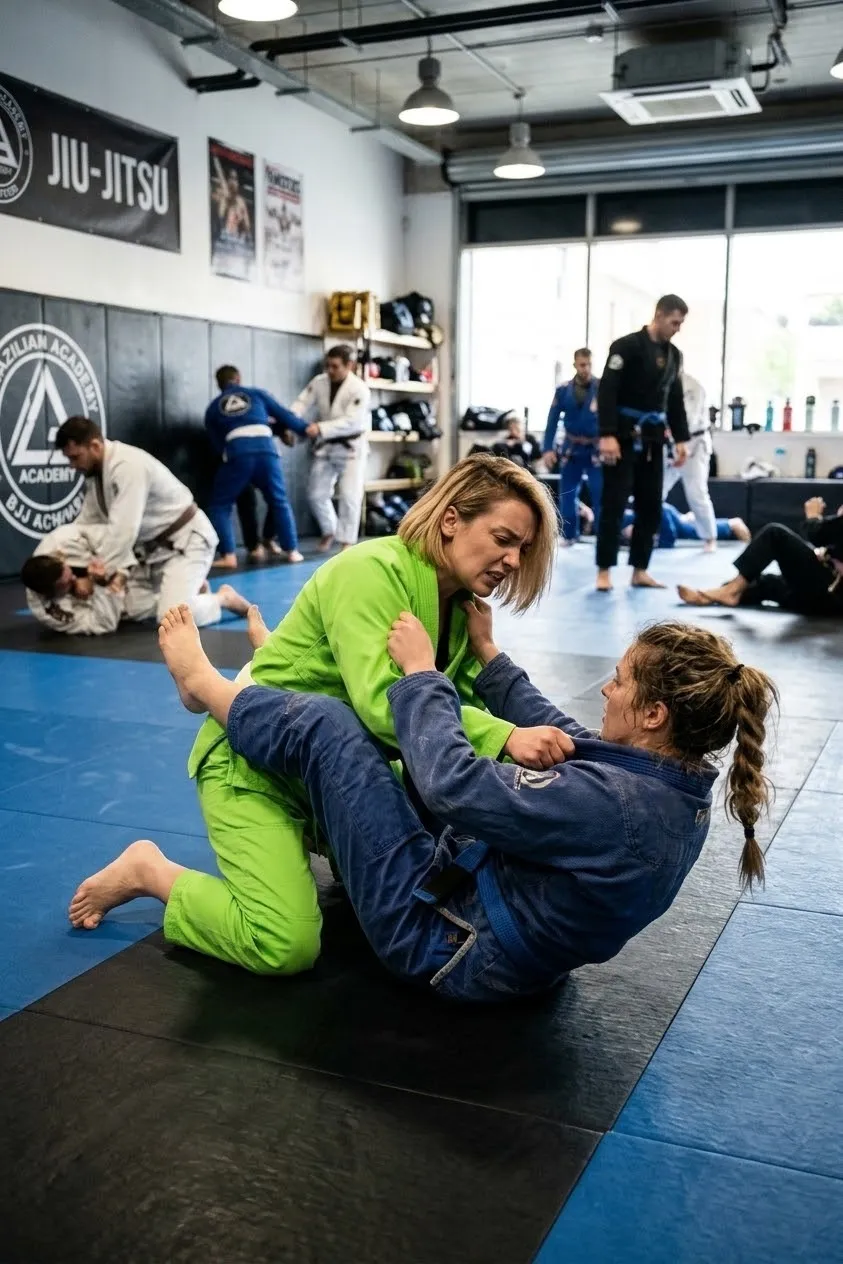
Women who train in Brazilian Jiu-Jitsu also need a uniform that offers the right balance of comfort, durability, and flexibility. womens bjj gis are available in different fabric weights, cuts, and designs, allowing female athletes to find a suitable option for their training routine. A well-fitted gi should provide enough room around the shoulders, chest, waist, and hips while allowing free movement during drills and grappling. Women joining BJJ clubs or academies should also check the required uniform colors, sizing options, and competition rules before purchasing. Understanding fabric quality, stitching, and proper care can help athletes choose a gi that remains comfortable and reliable through regular training.
Frequently Asked Questions
1. What should beginners look for in a men's BJJ gi?
Beginners should look for a comfortable fit, durable stitching, manageable fabric weight, and a size that allows free movement. A practical gi for regular classes is usually a better starting point than choosing one based only on appearance.
2. Should a BJJ gi be tight or loose?
A gi should fit comfortably without restricting movement. It should allow you to move your shoulders, hips, and knees freely while avoiding excessive loose fabric that can interfere with training.
3. Can I use the same gi for training and competition?
Yes, provided the gi meets the competition rules for the event you enter. Check the permitted colors, fabric, fit, and patch placement before competing.
4. How often should I wash my jiu-jitsu gi?
Wash your gi after every training session. This helps remove sweat and dirt and keeps your uniform fresh for the next class.
5. How can I make my BJJ gi last longer?
Wash your gi after each training session, follow the care label, avoid excessive heat, and make sure it is fully dry before storing it. Regularly inspect the stitching and repair small tears before they become larger.
Join the conversation
Discussion0
Join the conversation. Sign in to leave a response or reply to comments.