Introduction
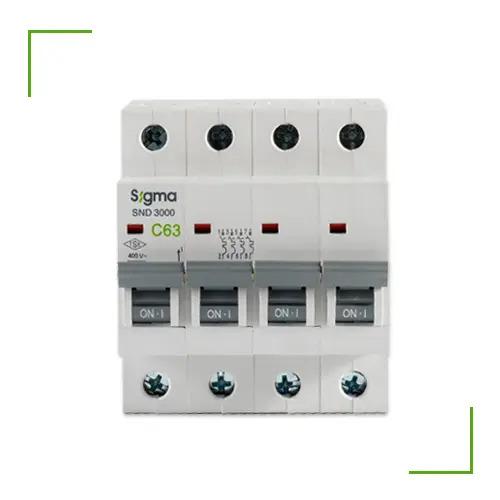
Electrical protection is essential for maintaining safe and reliable power distribution in residential, commercial, and industrial buildings. Modern electrical systems require suitable devices to prevent damage caused by overloads and short circuits. A miniature circuit breaker provides protection for individual electrical circuits, while Mccb breakers are commonly selected for installations that require higher current-handling capacity. Jawad Electric offers electrical products and circuit protection solutions for different installation requirements.
Understanding Miniature Circuit Breakers
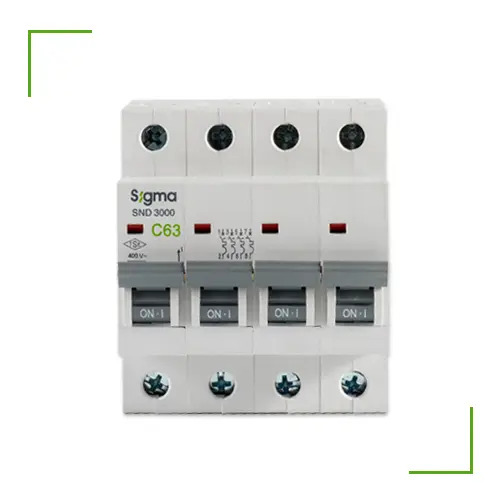
A miniature circuit breaker, commonly known as an MCB, is an automatic switching device designed to interrupt electrical current when an overload or short circuit occurs. It helps protect wiring and connected equipment from excessive current.
Unlike traditional fuses, MCBs can generally be reset after the electrical fault has been identified and corrected. Their compact design makes them suitable for distribution boards in homes, offices, and commercial buildings.
These devices are available with different current ratings, breaking capacities, pole configurations, and tripping characteristics. Selecting the appropriate specification is important for reliable circuit protection.
What Are MCCB Breakers?
Molded Case Circuit Breakers are designed for electrical applications that require higher current ratings and greater protection capacity. They are commonly installed in industrial facilities, commercial buildings, generators, and main distribution panels.
Mccb breakers can provide overload and short-circuit protection, with certain models offering adjustable trip settings. These features allow electrical professionals to select protection according to the requirements of a particular installation.
Their construction and operating characteristics make them suitable for demanding electrical environments where proper fault protection is essential.
Key Differences Between MCB and MCCB
Although both devices protect electrical circuits, their applications and specifications are different.
MCBs are generally used for smaller electrical loads, including lighting and socket circuits. MCCBs are more commonly installed in larger electrical systems where higher current ratings and adjustable protection settings may be required.
Other important differences include:
Current capacity: MCCBs generally support higher current ratings than standard MCBs.
Applications: MCBs are common in residential distribution boards, while MCCBs are frequently used in commercial and industrial panels.
Trip settings: Some MCCBs offer adjustable protection settings.
Physical design: MCCBs typically have a larger molded case construction.
Understanding these differences helps ensure the correct device is selected for each electrical application.
Importance of Choosing the Right Circuit Protection
Selecting a suitable miniature circuit breaker and Mccb breakers requires careful consideration of the electrical load, voltage, fault level, and installation environment. An incorrectly selected breaker may fail to provide the intended protection or cause unnecessary interruptions.
Electrical professionals should consider breaking capacity, current rating, pole configuration, and tripping characteristics before installation. Proper coordination between protective devices is also important to ensure that faults are isolated effectively.
Jawad Electric provides circuit protection products, including Sigma electrical solutions, to support different power distribution requirements.
Maintaining Electrical Safety
Regular inspection of electrical panels helps identify damaged breakers, loose connections, overheating, and other potential problems. Circuit breakers should always be installed and maintained by qualified electrical professionals.
Using suitable protective equipment and following recommended installation practices can help reduce electrical risks and support reliable system performance.
FAQs
1. What is a miniature circuit breaker?
An MCB is an automatic electrical protection device that disconnects a circuit during overloads or short circuits.
2. What are Mccb breakers used for?
They are commonly used in commercial and industrial installations requiring higher current protection.
3. Can an MCB be reset after tripping?
Yes. It can generally be reset after the cause of the electrical fault has been identified and corrected.
4. What is the main difference between MCB and MCCB?
The main differences include current-handling capacity, applications, construction, and available protection settings.
5. How do I choose the right circuit breaker?
Consider the electrical load, voltage, current rating, breaking capacity, and installation requirements. Consult a qualified electrician for proper selection.
Conclusion
Reliable circuit protection is essential for safe electrical installations and efficient power distribution. Understanding the applications of miniature circuit breakers and MCCB products helps electrical professionals select suitable protection devices. Jawad Electric supports electrical requirements with circuit protection products designed for residential, commercial, and industrial applications.
Join the conversation
Discussion0
Join the conversation. Sign in to leave a response or reply to comments.