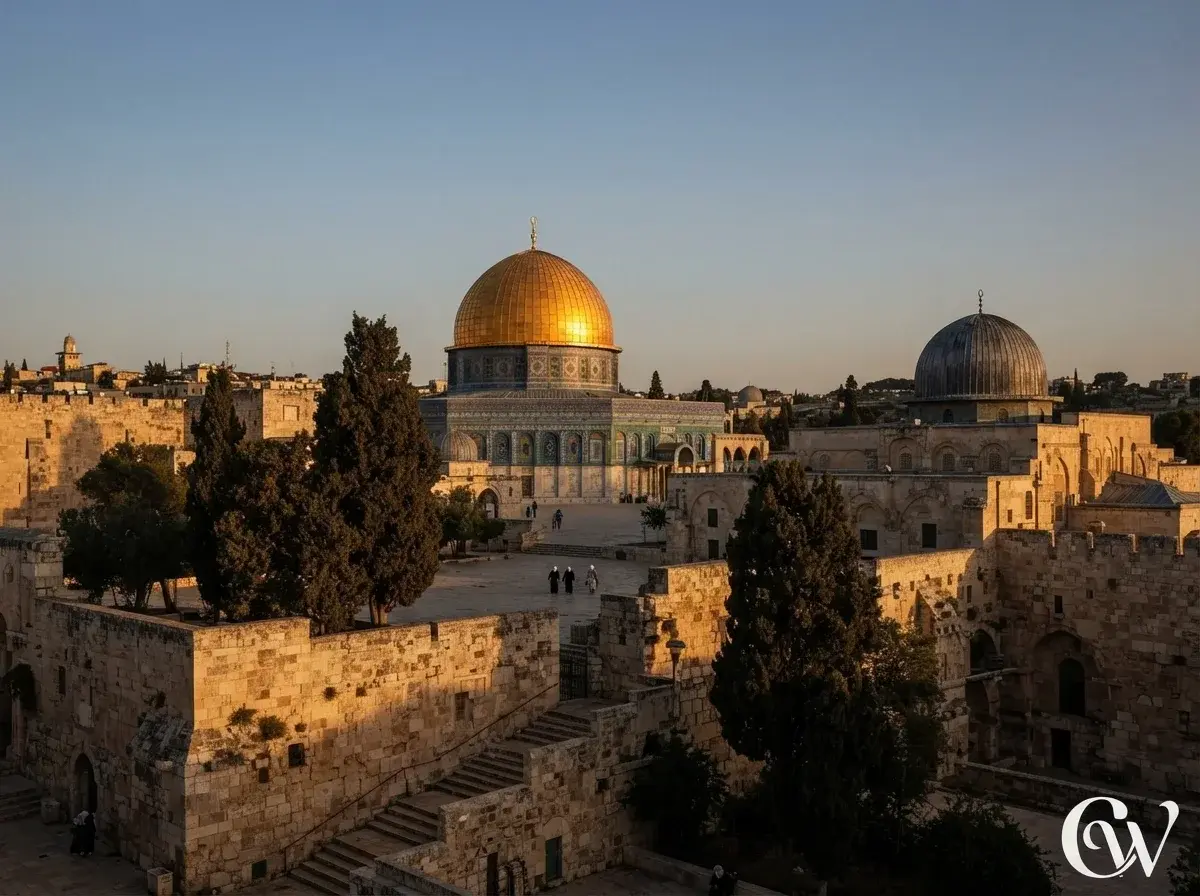
On October 2, 1187, Salahuddin Ayyubi liberated Jerusalem after the decisive Battle of Hattin. Discover the Islamic character, justice, and mercy that defined this historic victory.
Introduction
In the annals of Islamic history, few events shine as brightly as the liberation of Jerusalem in 1187 CE. It was a moment when the Muslim Ummah, after nearly a century of humiliation and loss, witnessed the restoration of the first Qibla with honour and dignity. At the heart of this monumental achievement stood a man whose name would become synonymous with both military genius and Islamic chivalry: Sultan Salahuddin Ayyubi, known in the West as Saladin.
His recapture of Jerusalem was not merely a political or military victory. It was a manifestation of the Islamic principles of justice, mercy, and steadfastness in the face of overwhelming odds. This article explores the path to Fateh Al-Quds, the character of the man who led it, and the timeless lessons it offers for Muslims today.
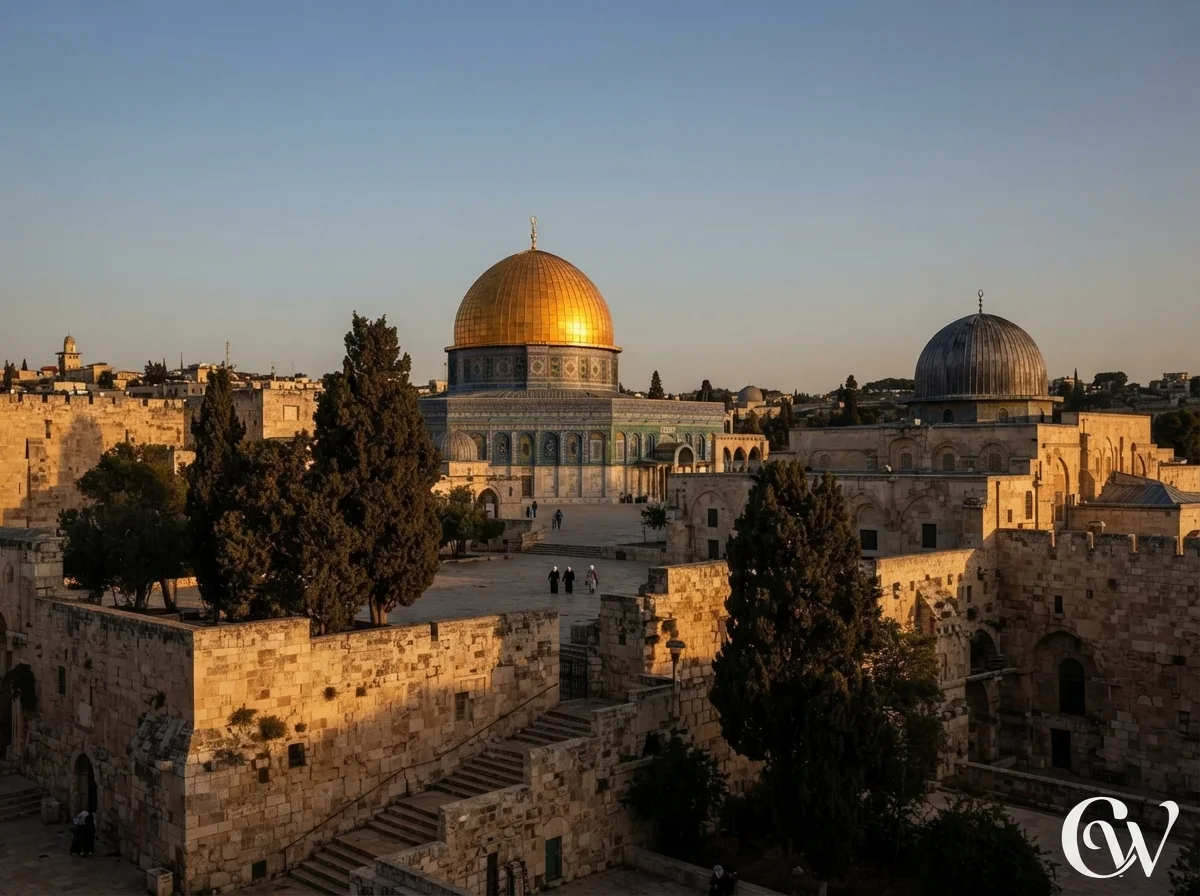
The Road to Hattin: A Kingdom on the Brink
By the mid-12th century, the Crusader Kingdom of Jerusalem had grown complacent. Internal divisions, political intrigue, and a disregard for the delicate balance of power in the region had left it vulnerable. The Franks, as the Crusaders were known, had repeatedly broken truces and attacked Muslim caravans and pilgrims, including the provocative actions of Reynald of Châtillon, who threatened the pilgrimage routes to Mecca and Medina.
Salahuddin had spent years unifying the Muslim front. From his base in Egypt, he consolidated power in Syria and Mesopotamia, building an empire that stretched from North Africa to Western Iraq. His goal was clear: to confront the Crusader states and reclaim what had been taken. The opportunity came in 1187.
The Battle of Hattin: A Decisive Victory
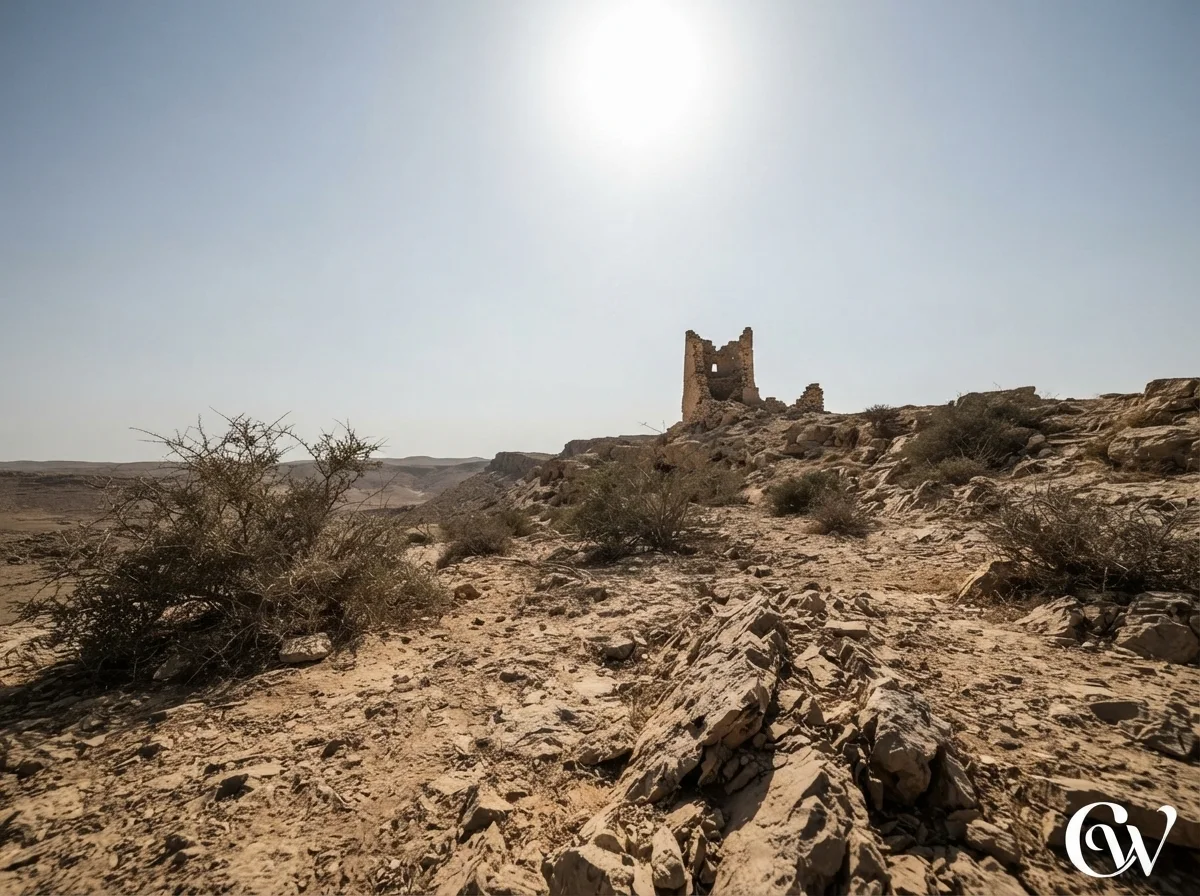
On July 4, 1187, the armies of the Kingdom of Jerusalem met Salahuddin's forces on the waterless plateau between Saffuriya and Tiberias, near the Horns of Hattin. The Crusader army, led by King Guy of Lusignan, had been lured into a trap. Weakened by thirst, heat, and harassment from Salahuddin's skirmishers, they were surrounded and annihilated. The chronicles record that beneath a burning sun, Saladin's troops destroyed the Christian army, an event that shook Christian Europe and marked the collapse of the Crusader kingdom.
The victory at Hattin was not just a military triumph; it was a spiritual one. Salahuddin had invoked the concept of jihad, and the battle was framed as a defence of the faith and the sacred places of Islam. The capture of the True Cross, the relic that the Crusaders carried into battle, was a symbolic blow from which they never fully recovered.
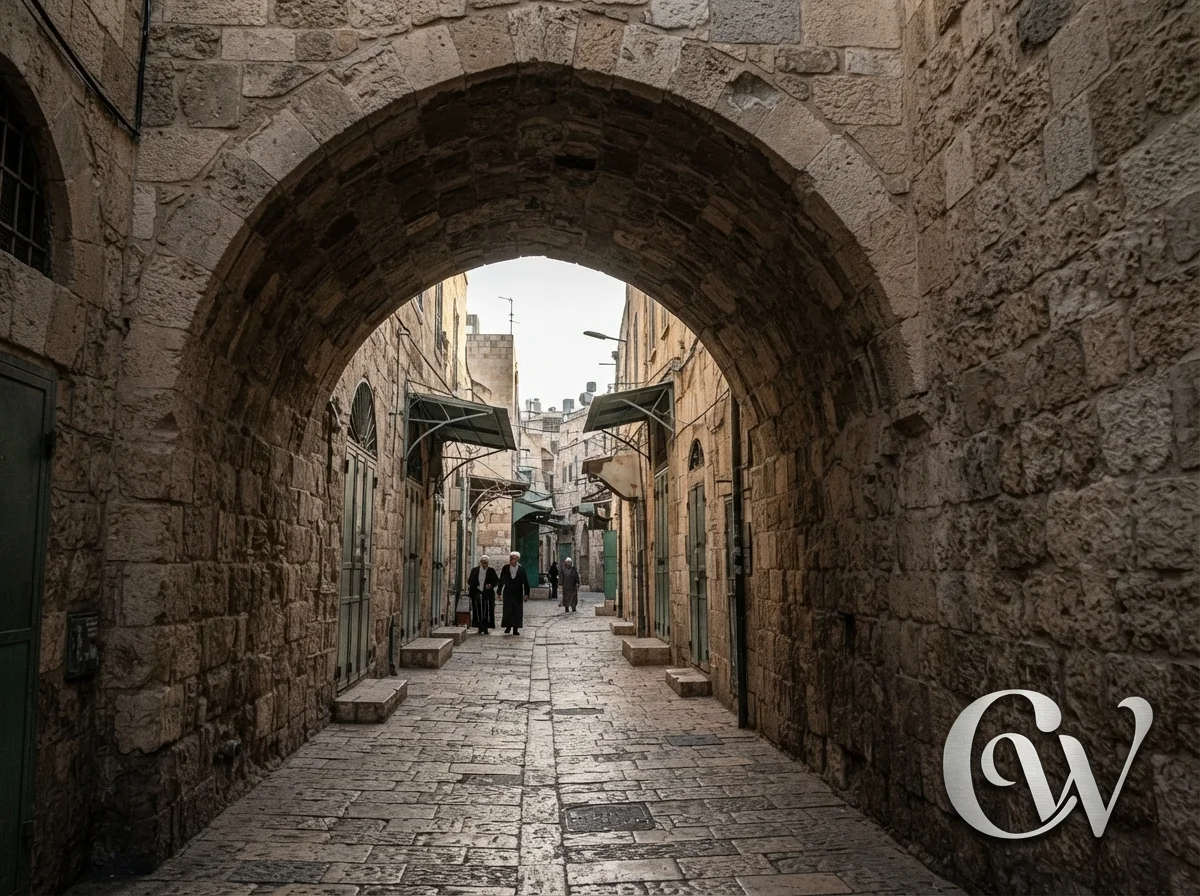
The Siege of Jerusalem: A City Under Siege
After Hattin, Salahuddin moved swiftly. He captured Acre, Nablus, Jaffa, Toron, Sidon, Beirut, and Ascalon over the following months. By mid-September, his army stood before the walls of Jerusalem. The city, weakened by internal disputes and stripped of its defenders, was ill-prepared for a long siege. The siege began on September 20, 1187, and lasted only a fortnight.
Inside the city, the situation was desperate. The remaining Crusader nobles, led by Balian of Ibelin, sought to negotiate a surrender. But Salahuddin, mindful of the sanctity of the city and the lessons of the past, was determined to avoid the kind of bloodshed that had stained the Crusaders' capture of Jerusalem in 1099. He offered terms.
The Liberation of Jerusalem: Mercy That Shocked the World
On October 2, 1187, the city of Jerusalem was handed over to Salahuddin. The terms of the surrender were remarkably humane. The Crusaders were allowed to leave the city peacefully, and Salahuddin even provided safe passage for those unable to pay the ransom, personally covering the cost for the impoverished. The churches were protected, and no one was forced to convert.
This conduct stood in stark contrast to the massacre perpetrated by the Crusaders when they took the city in 1099, when tens of thousands of Muslims and Jews were slaughtered. Salahuddin's mercy was not a sign of weakness; it was a deliberate application of Islamic ethics. The Qur'an commands justice and excellence, and the Prophet Muhammad (peace be upon him) had set the example of mercy even in victory.
The Character of Salahuddin: A Leader Shaped by Islam
What made Salahuddin's victory so enduring was not just the taking of the city, but the way he conducted himself before, during, and after. He was a man of deep piety, known for his frequent fasting, night prayers, and attachment to the Qur'an. He lived frugally, despite his power, and when he died in 1193, he reportedly left not enough money to cover the costs of his own burial.
His justice was legendary, even among his enemies. He would appear in court to answer complaints from his subjects, refusing any favour due to his rank. He built colleges, hospitals, and caravanserais for the welfare of his people. His chivalry extended even to his foes: during the Third Crusade, he sent fresh fruit, ice, and his personal physician to King Richard the Lionheart when he fell ill.
Lessons for the Ummah Today
The liberation of Jerusalem in 1187 is not merely a historical event to be remembered; it is a source of profound lessons for Muslims today. Salahuddin's success was built on unity, faith, patience, and adherence to Islamic principles. He did not compromise his values for short-term gains, and he treated even his enemies with justice and dignity.
In a world where the Ummah faces numerous challenges, the example of Salahuddin reminds us that true victory comes from Allah, and that we must prepare ourselves spiritually, morally, and materially. The Quranic injunction to enjoin justice and excellence, and to forbid immorality and transgression, remains as relevant today as it was in the 12th century.
Conclusion
The Fateh Al-Quds of 1187 was a turning point in Islamic history. It restored the holy city to Muslim rule and demonstrated that a leader guided by faith and justice could achieve what armies alone could not. Salahuddin Ayyubi's legacy is not just one of conquest, but of character. He showed that mercy is not weakness, that justice is not optional, and that true greatness lies in serving Allah and His creation.
As we remember this great victory, let us strive to embody the same principles in our own lives, and pray for the day when Al-Quds is once again a symbol of peace and justice for all.
What lessons do you draw from the life of Salahuddin Ayyubi? Share your thoughts in the comments.




Join the conversation
Discussion0
Join the conversation. Sign in to leave a response or reply to comments.