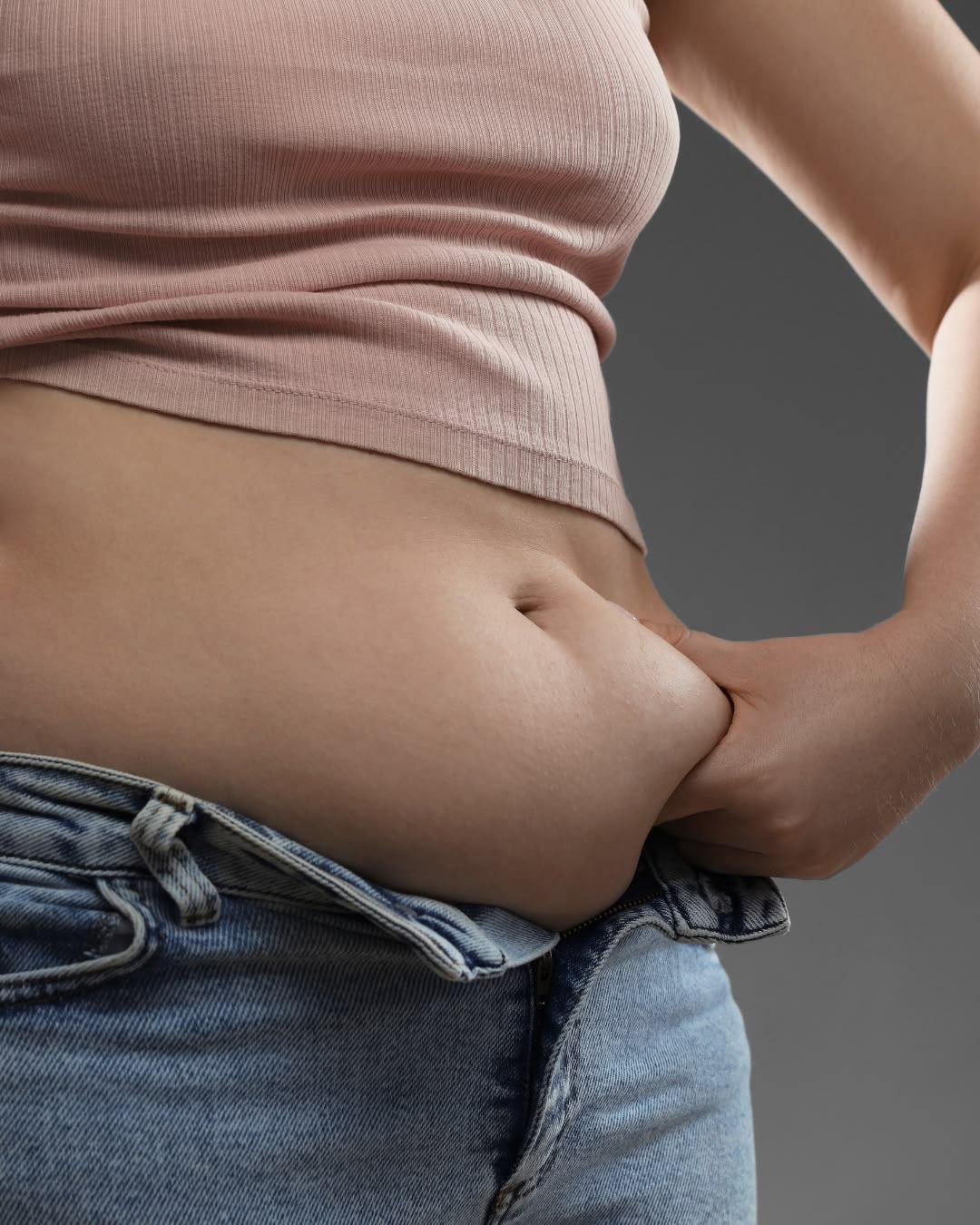
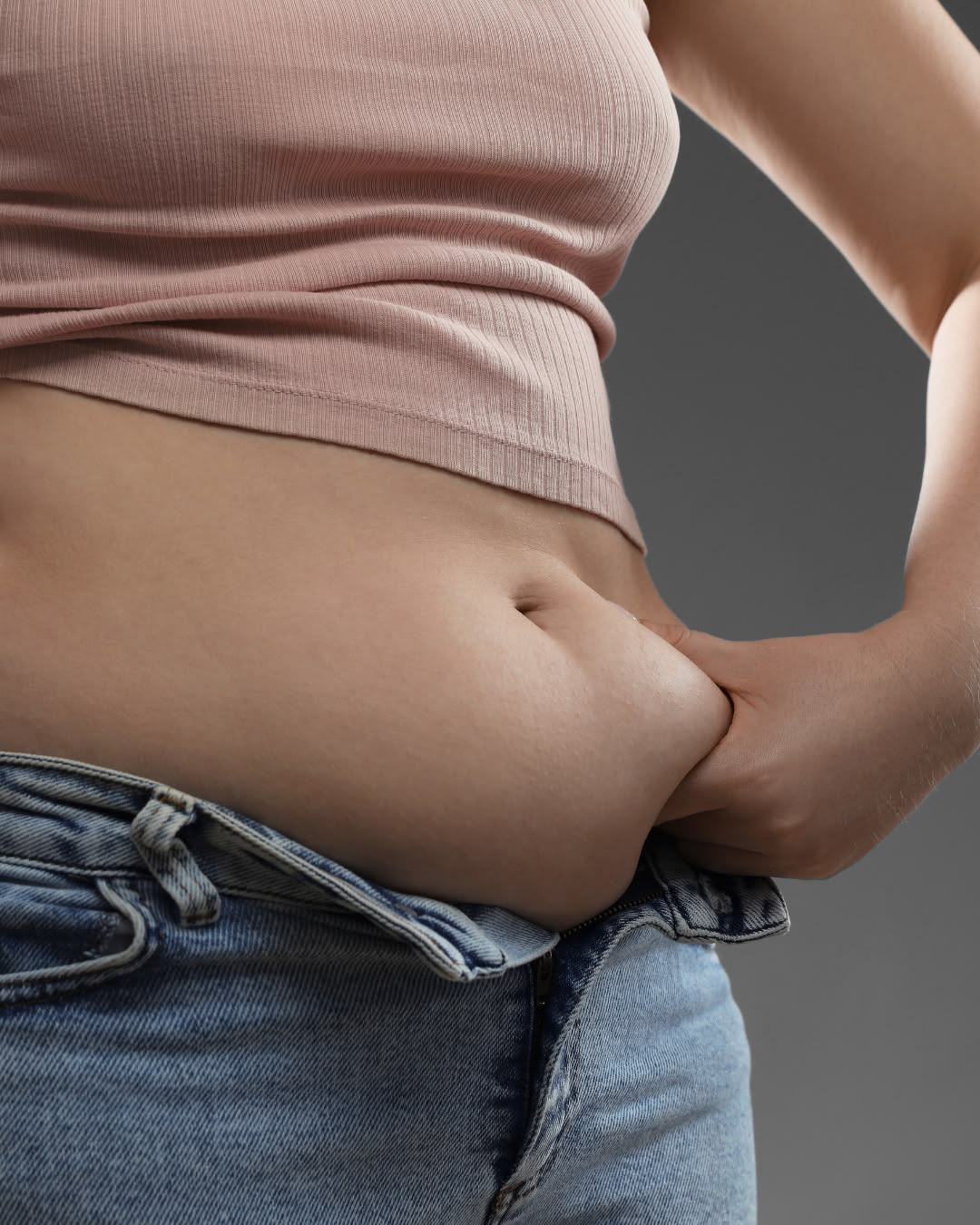
Achieving a well-defined and proportionate body shape is an important goal for many individuals. However, excess abdominal skin, weakened muscles, and stubborn fat deposits can make it difficult to achieve a flatter stomach, even with regular exercise and a balanced diet. These concerns commonly develop after pregnancy, significant weight loss, ageing, or natural changes in the body. Tummy tuck surgery, medically known as abdominoplasty, offers a cosmetic solution for suitable individuals who want to improve the appearance of their abdominal area. People considering abdominoplasty in Islamabad can benefit from understanding the treatment process, available techniques, expected results, and important safety considerations.
Understanding the Purpose of Tummy Tuck Surgery
Abdominoplasty is a cosmetic surgical procedure designed to remove excess skin and improve the overall appearance of the abdomen. Depending on the patient's condition, the procedure may also involve tightening weakened or separated abdominal muscles to create a firmer appearance.
The abdominal area can change considerably throughout life. Pregnancy stretches the skin and muscles, while substantial weight loss may leave loose skin that does not naturally retract. Similarly, ageing can reduce skin elasticity, making the stomach appear less firm.
Although exercise and healthy eating support physical fitness, they cannot always correct loose skin or separated abdominal muscles. Tummy tuck surgery addresses these particular concerns through a personalised surgical approach.
Common Reasons for Considering Abdominal Surgery
People consider abdominal contouring for different personal and physical reasons. Understanding these concerns helps patients determine whether the procedure may be appropriate.
Pregnancy is one of the common reasons women experience changes in their abdominal appearance. As the baby grows, abdominal muscles stretch, and the surrounding skin expands. After childbirth, some individuals continue to experience loose skin and muscle separation.
Significant weight loss is another contributing factor. People who successfully lose a considerable amount of weight may be left with excess skin around their stomach. This skin can affect clothing comfort and make maintaining personal hygiene more challenging.
Ageing also contributes to changes in body contours. Reduced collagen production and declining skin elasticity can make the abdominal area appear less firm over time.
Different Surgical Techniques for Better Results
There are different approaches to tummy tuck surgery, and the most suitable option depends on the patient's body structure and treatment goals.
Traditional Tummy Tuck: A full tummy tuck generally addresses excess skin across the abdominal region. It may include repositioning the belly button and tightening abdominal muscles when necessary.
Mini Tummy Tuck: This technique focuses mainly on the lower abdominal area. It may be appropriate for individuals who have a limited amount of loose skin below the belly button.
Extended Tummy Tuck: Patients with excess skin extending toward their hips and flanks may benefit from an extended approach. The procedure addresses a wider area to improve overall body contours.
A qualified plastic surgeon evaluates the patient's condition before recommending a particular technique. Every treatment plan should be based on individual anatomy rather than a standard approach.
Important Factors to Consider Before Surgery
Preparing properly before cosmetic surgery is essential for patient safety and satisfactory recovery. Individuals should first arrange a consultation with an appropriately qualified plastic surgeon.
During the consultation, the surgeon reviews medical history, previous operations, medications, allergies, and existing health concerns. Patients should explain their expectations honestly and ask questions about the procedure.
Maintaining a stable body weight is also important. Abdominoplasty is not a substitute for weight-loss treatment, and patients generally achieve more predictable results when they are close to their target weight.
Smoking can interfere with circulation and wound healing. Patients should discuss smoking cessation and any other lifestyle adjustments with their medical team before surgery.
People planning future pregnancies may also wish to discuss the timing of treatment because another pregnancy can affect the abdominal results.
What Happens During the Surgical Procedure?
The procedure begins with a detailed assessment and preparation according to the surgeon's recommendations. Abdominoplasty is generally performed under general anaesthesia in an appropriate surgical facility.
The surgeon makes an incision according to the selected technique and removes the planned excess skin. Where necessary, weakened abdominal muscles may be tightened to improve the abdominal profile. The remaining skin is repositioned, and the incision is carefully closed.
The duration of surgery varies depending on the complexity of the procedure and the amount of correction required. Patients should receive clear information about the surgical plan, anaesthesia, possible complications, and expected recovery before providing consent.
Recovery Tips for a Comfortable Healing Process
Recovery is an important stage of abdominoplasty and requires patience. Swelling, bruising, discomfort, and temporary difficulty standing completely upright may occur during the early healing period.
Patients should follow their surgeon's instructions regarding medication, wound care, bathing, and compression garments. Gentle walking may be recommended to encourage circulation, while strenuous exercise and heavy lifting should be avoided until medical clearance is provided.
Adequate sleep, balanced nutrition, and proper hydration can support the body's healing process. Patients should also attend scheduled follow-up appointments so their progress can be monitored.
Recovery time differs between individuals. Returning to work and normal activities depends on the nature of the procedure and the patient's healing progress. Increasing pain, fever, unusual discharge, or significant redness should be reported to a healthcare professional.
Potential Risks and Realistic Expectations
Like every surgical procedure, abdominoplasty involves potential risks. These may include infection, bleeding, fluid accumulation, scarring, delayed wound healing, changes in skin sensation, and complications related to anaesthesia.
Patients should discuss these risks with their surgeon before making a decision. Results also vary according to individual health, skin quality, surgical technique, and aftercare.
A tummy tuck can improve abdominal contours, but it cannot stop natural ageing or prevent future changes in body weight. Maintaining a stable lifestyle can help preserve the results for longer.
Selecting a Trusted Cosmetic Surgery Clinic
Choosing an appropriate clinic is essential when considering an elective cosmetic procedure. Patients should examine the surgeon's qualifications, experience, surgical environment, hygiene standards, and emergency arrangements. Clear communication and realistic treatment recommendations are equally important.
Individuals exploring cosmetic procedures can visit Enfield Royal Clinic to learn about available services and arrange a consultation to discuss their aesthetic concerns.
Conclusion
Tummy tuck surgery can help suitable individuals improve abdominal contours by addressing excess skin and weakened muscles. Understanding the available techniques, preparing properly, and following professional aftercare instructions are important for a safe treatment experience. Anyone considering abdominal cosmetic surgery should seek an individual medical assessment, discuss potential risks, and establish realistic expectations. Making an informed decision with a qualified medical professional can help patients choose an approach that supports their personal goals and long-term well-being.
Join the conversation
Discussion0
Join the conversation. Sign in to leave a response or reply to comments.