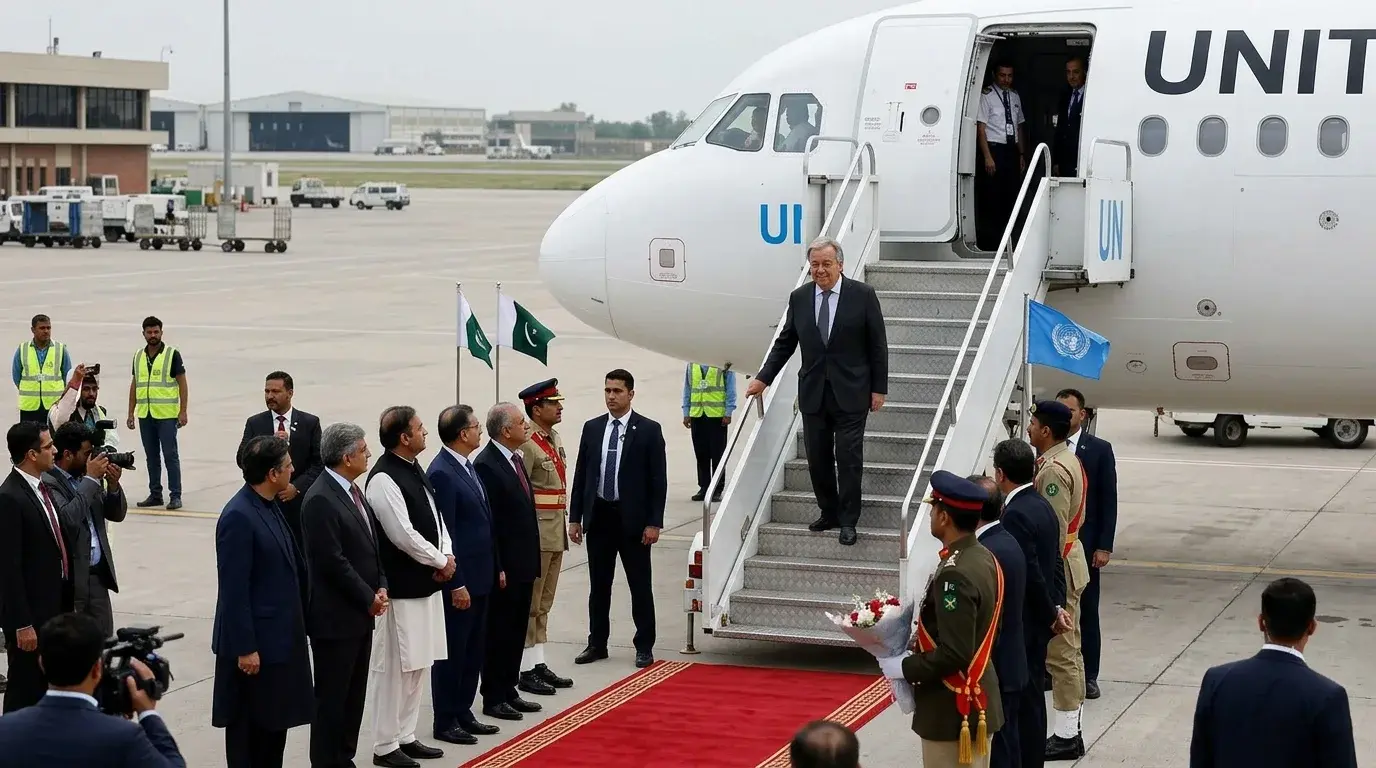
UN Secretary-General António Guterres visited Pakistan from October 6-8, 2026, meeting with top leadership and reviewing disaster preparedness. Here is what happened and why it matters.
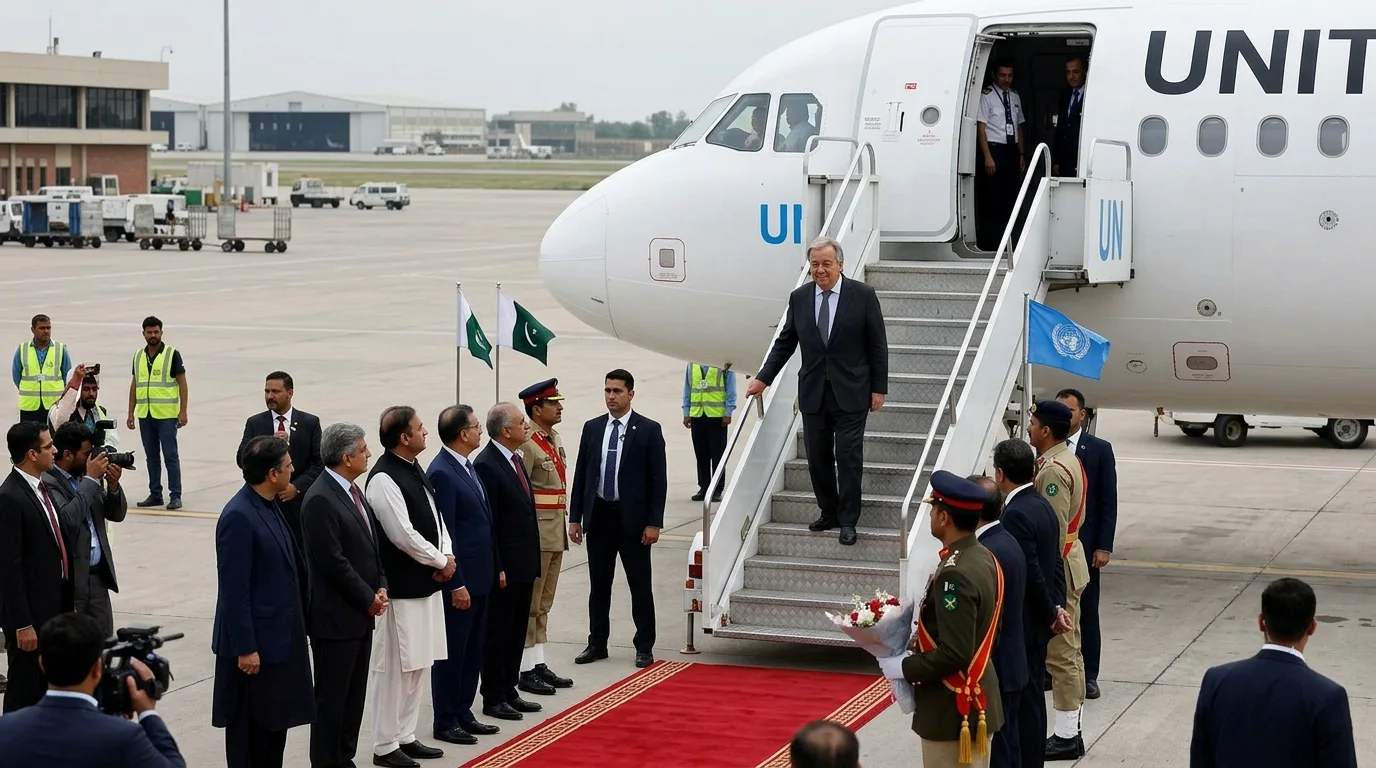
Islamabad: United Nations Secretary-General António Guterres concluded a historic three-day official visit to Pakistan on Thursday, October 8, 2026, marking his first trip to the country since 2022, when he toured areas devastated by catastrophic floods. The visit, which ran from October 6 to 8, was undertaken at the invitation of Deputy Prime Minister and Foreign Minister Senator Mohammad Ishaq Dar.
The visit underscored Pakistan's longstanding cooperation with the United Nations and highlighted the country's efforts in disaster preparedness, early warning systems, and multilateral diplomacy.
A Packed Diplomatic Agenda
During his stay in Islamabad, the Secretary-General held a series of high-level meetings with Pakistan's top leadership. According to the Foreign Office, Guterres met with the President of Pakistan, the Prime Minister of Pakistan, the Deputy Prime Minister and Foreign Minister, and the Chief of Defence Forces and Chief of Army Staff, Field Marshal Asim Munir.
The discussions covered a wide range of issues, including regional peace and security, multilateral cooperation, climate resilience, and Pakistan's role in international peacekeeping missions.
The visit offered an important opportunity to reiterate Pakistan's unwavering support for multilateralism with the United Nations at its core, and its commitment to the purposes and principles of the UN Charter.
Focus on Disaster Preparedness and Early Warning
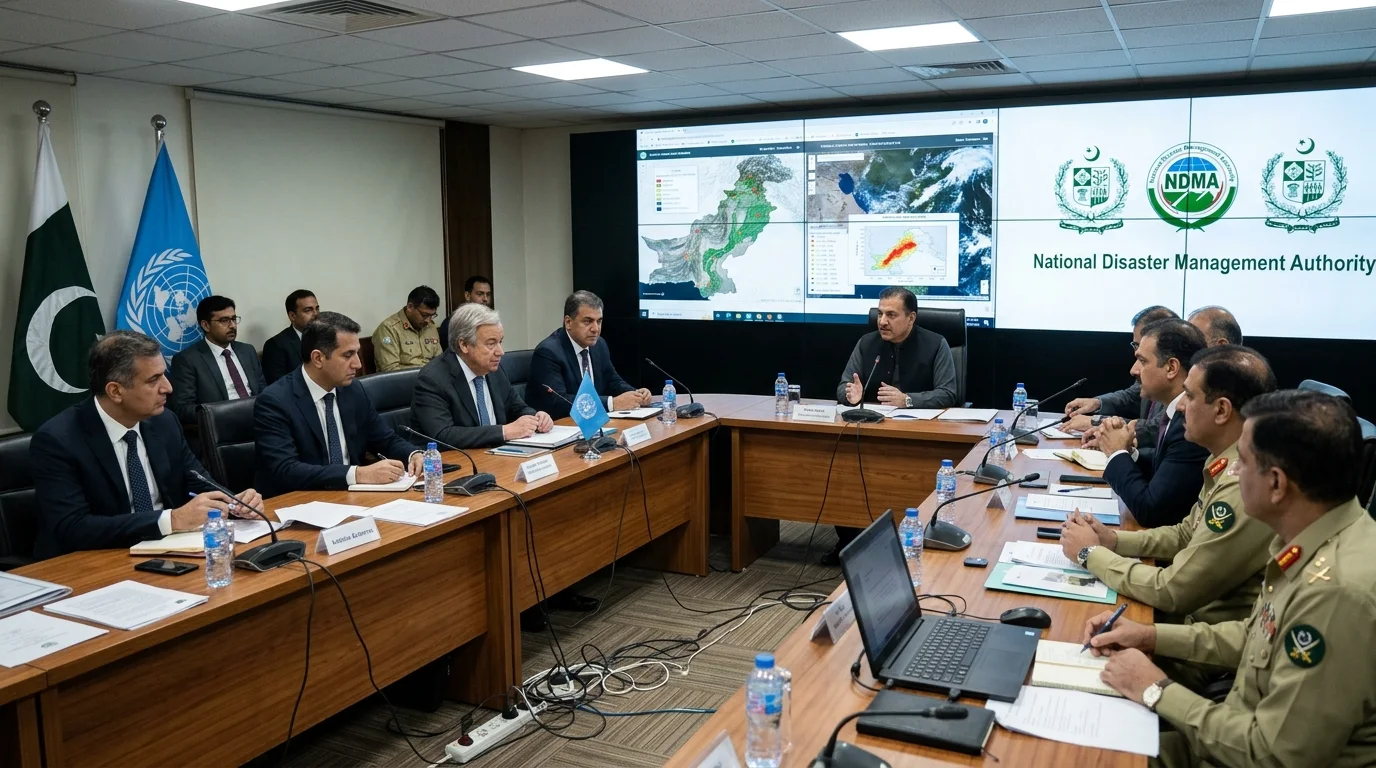
A key component of the Secretary-General's visit was his engagement with Pakistan's disaster management infrastructure. Guterres visited the headquarters of the National Disaster Management Authority (NDMA) Pakistan, where he received a detailed briefing on the country's disaster preparedness and early warning systems.
Pakistan has been actively integrating advanced technologies into its disaster response framework. The National Disaster Management Authority's Next Generation Technology (NGT) initiative represents a significant step in this direction, utilizing advanced analytics, satellite technologies, predictive modelling, and artificial intelligence to strengthen early warning systems and improve risk assessment.
The Secretary-General also attended a roundtable hosted by the Pakistan Humanitarian Forum (PGAN) in Islamabad, where he engaged with a 20-member delegation on humanitarian challenges and coordination.
National Resilience Day and the 2005 Earthquake Legacy
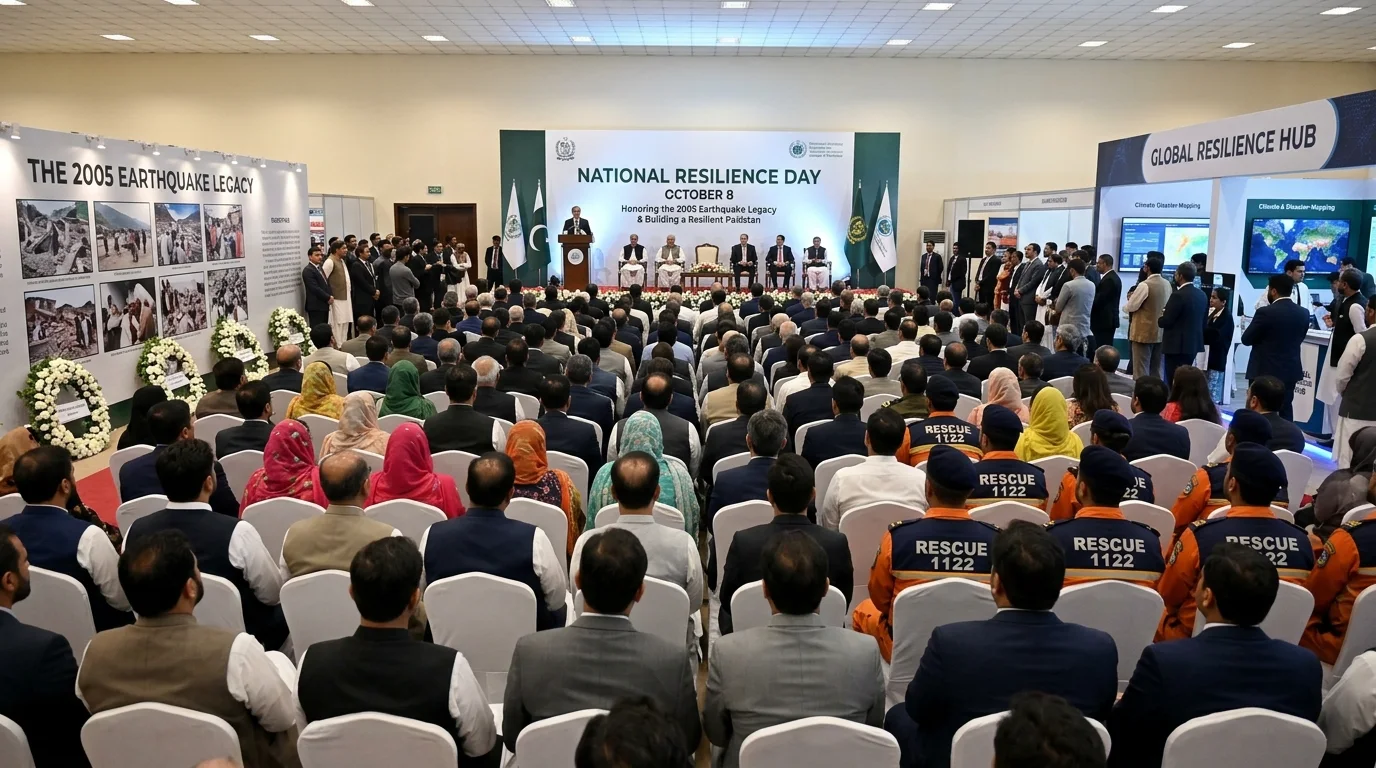
The timing of the Secretary-General's visit coincided with National Resilience Day, observed annually on October 8, which commemorates the devastating earthquake of 2005 that claimed thousands of lives across Pakistan.
In a message on the occasion, President Asif Ali Zardari paid tribute to the survivors who rebuilt their lives with courage and determination, and honoured the bereaved families and all those who stood beside affected communities in their hour of need.
The President emphasized that Pakistan today faces an increasingly complex risk environment, intensified by climate change, urbanisation, and environmental degradation. He called for a shift from reacting to emergencies towards anticipating risks, with scientific knowledge, reliable data, and emerging technologies playing a greater role.
The Global Resilience Hub, another important initiative, aims to strengthen Pakistan's national resilience by bringing together key national and humanitarian stakeholders for greater coordination at the regional and global levels.
Visit to UNMOGIP Headquarters
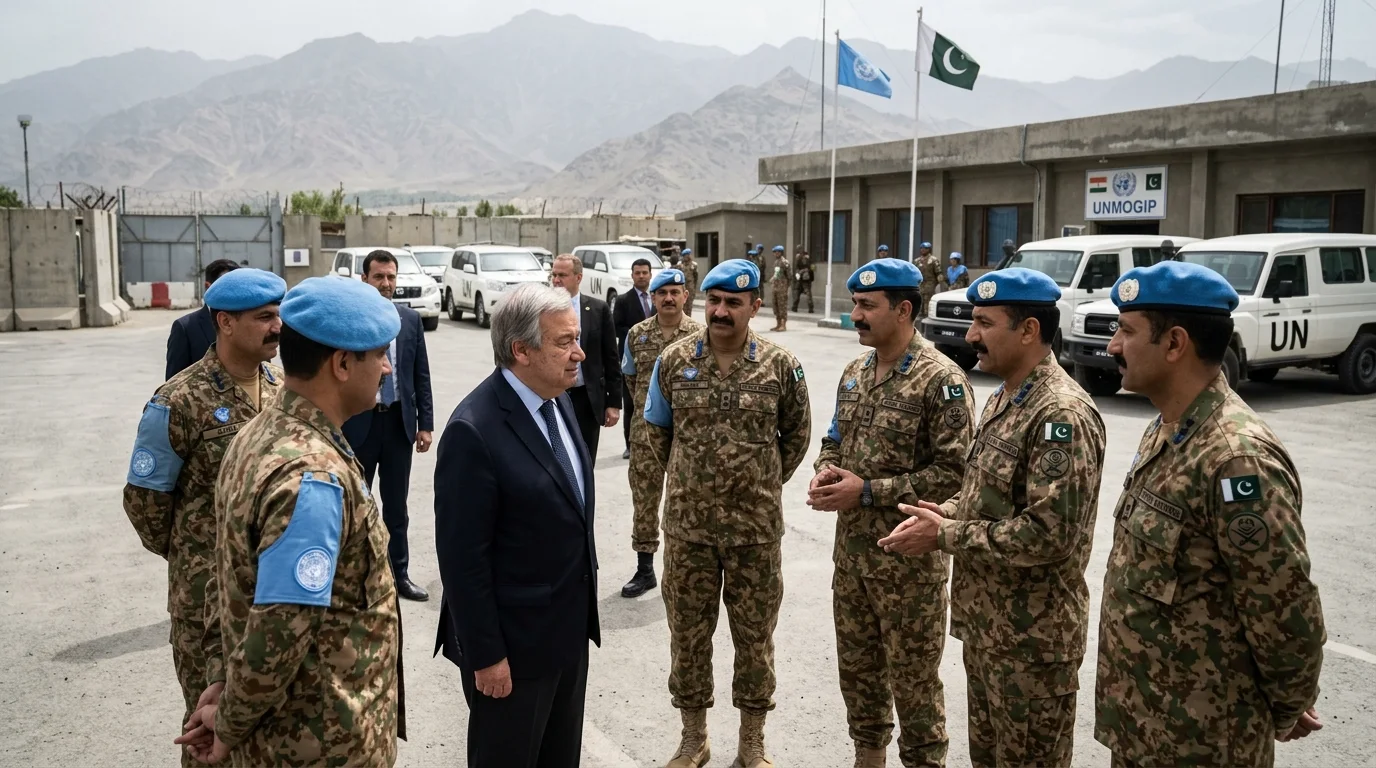
The Secretary-General also visited the headquarters of the United Nations Military Observer Group in India and Pakistan (UNMOGIP), underscoring the UN's continued engagement in the region.
UNMOGIP has been deployed in the region since 1949 to supervise the ceasefire between India and Pakistan in Jammu and Kashmir. The Secretary-General's visit highlighted the enduring importance of the mission's mandate and the UN's commitment to regional stability.
Strengthening Multilateral Cooperation
The visit served as a platform to highlight Pakistan's contributions to international peace and security. Pakistan is one of the largest contributors to UN peacekeeping missions globally, with thousands of troops deployed in various conflict zones.
Foreign Office Spokesperson Ambassador Sajjad Haider Khan stated that the visit reflected Pakistan's unwavering support for multilateralism with the UN at its core and its abiding commitment to the purposes and principles of the UN Charter.
The Secretary-General's engagement in Pakistan also provided an opportunity to exchange views on regional and international developments, and to acknowledge the vital contributions of the UN Secretary-General in the areas of international peace and development.
What This Visit Means
The Secretary-General's visit to Pakistan carried significant symbolic and practical weight. It reaffirmed the United Nations' commitment to supporting Pakistan in its journey toward greater disaster resilience and sustainable development.
For Pakistan, the visit provided an opportunity to showcase its progress in disaster preparedness, its contributions to global peacekeeping, and its commitment to multilateral diplomacy. It also highlighted the urgent need for continued international cooperation in addressing climate-induced risks and humanitarian challenges.
As President Zardari noted in his National Resilience Day message, resilience is a shared national responsibility. By combining the strength of the people with science, technology, and sound planning, Pakistan can build a future better prepared for the uncertainties of tomorrow.
The Secretary-General's visit concluded on October 8, leaving behind a renewed sense of partnership between Pakistan and the United Nations.
What do you think about the UN Secretary-General's visit to Pakistan? Share your thoughts in the comments.




Join the conversation
Discussion0
Join the conversation. Sign in to leave a response or reply to comments.