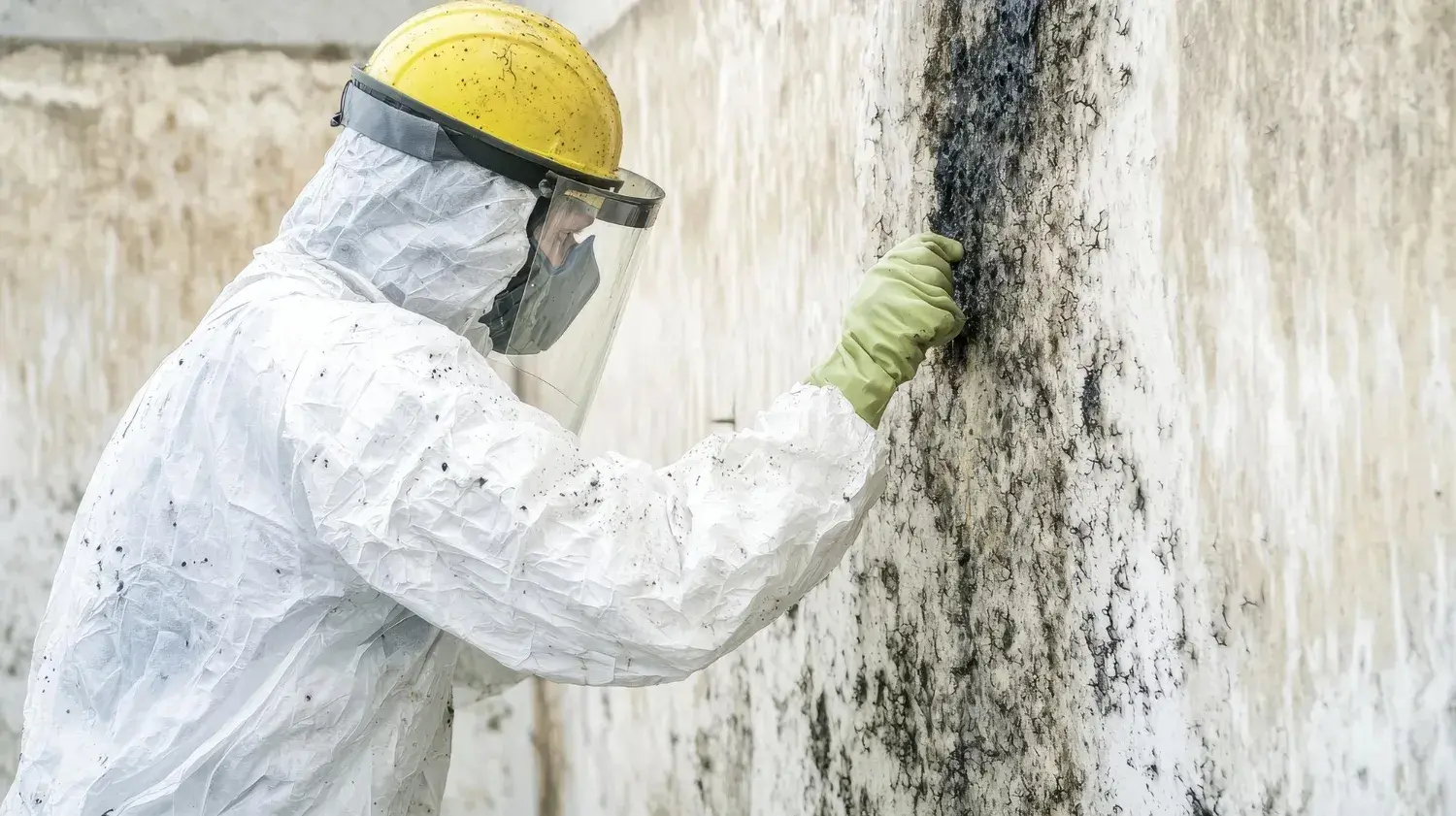
Maintaining a Healthy and Well-Protected Property
A property requires regular attention to remain safe, comfortable, and in good condition. While many homeowners focus on visible maintenance issues such as roof damage, plumbing leaks, and exterior wear, hidden moisture problems can also affect a building. Mold is one concern that should not be overlooked because it can develop in damp areas and spread when moisture conditions remain unresolved. Bathrooms, kitchens, attics, crawl spaces, and areas around plumbing fixtures are particularly important to monitor. Identifying potential problems early can help property owners make informed decisions about maintenance and repairs while protecting the condition of their homes.
Understanding the Importance of Mold Inspections
Scheduling Mold Inspections Punta Gorda FL can help property owners identify visible mold concerns, investigate moisture-related conditions, and understand whether further evaluation is necessary. Mold commonly develops in areas where moisture accumulates and ventilation is limited. Even a small plumbing leak or an unnoticed roof issue can create conditions that support mold growth.
A proper inspection focuses on areas where moisture problems may occur. Inspectors may examine ceilings, walls, flooring, bathrooms, kitchens, utility areas, and other accessible spaces. They may also look for water stains, musty odors, discoloration, and signs of previous leaks.
Finding these warning signs early can help homeowners investigate the underlying cause before the problem becomes more extensive. An inspection can also provide useful information when purchasing, selling, or maintaining a property.
Common Causes of Mold Growth in Homes
Moisture is the primary factor that allows mold to develop. In Florida, humid weather and frequent rainfall can make moisture management particularly important for homeowners. When indoor humidity remains high, damp materials may provide suitable conditions for mold growth.
Plumbing leaks are another common concern. Small leaks beneath sinks, behind walls, or around water heaters can remain unnoticed until visible damage appears. Roof leaks may also allow water to enter attics, ceilings, and wall cavities.
Poor ventilation can contribute to the problem as well. Bathrooms, laundry rooms, and kitchens produce moisture during everyday activities. Without adequate airflow, humidity may accumulate on surfaces and encourage mold development.
Air conditioning systems should also receive appropriate attention. Condensation problems, blocked drainage lines, or poorly maintained equipment may contribute to unwanted moisture in certain areas.
Recognizing Warning Signs of Mold Problems
Mold is not always immediately visible, so homeowners should pay attention to changes inside their properties. Dark spots, unusual discoloration, peeling paint, and damaged drywall may indicate moisture-related concerns. These signs can appear on ceilings, walls, window frames, and other surfaces.
A persistent musty smell is another possible warning sign. Even when no visible growth is present, an unusual odor may justify further investigation. Homeowners should also watch for recurring condensation on windows and damp areas around plumbing fixtures.
Previous water damage deserves particular attention. Materials that have remained wet or were not properly dried after a leak may require additional evaluation. Recognizing these warning signs helps property owners determine when a professional inspection may be appropriate.
What Happens During a Mold Inspection?
A mold inspection generally begins with a visual evaluation of the property. The inspector reviews accessible areas and looks for conditions that may support mold growth. This may include examining bathrooms, kitchens, attics, basements where present, crawl spaces, and areas affected by previous water intrusion.
Moisture assessment may also be included to identify damp building materials or areas with unusual moisture levels. Depending on the property's condition and inspection objectives, additional testing may be recommended.
It is important to understand that visual inspections and mold testing serve different purposes. Air or surface sampling may provide additional information when justified, but testing is not automatically necessary in every situation. Inspection findings should be explained clearly so property owners understand any identified concerns and recommended next steps.
Choosing a Qualified Home Inspection Professional
Selecting an experienced Home Inspector Punta Gorda FL can help property owners better understand the condition of their buildings and identify potential maintenance concerns. A qualified professional should be familiar with common residential construction features, moisture-related problems, and appropriate inspection practices.
Before scheduling an appointment, homeowners should ask about the inspector's qualifications, experience, inspection scope, and reporting process. It is also useful to understand whether the service includes moisture evaluation or whether specialized mold assessment is offered separately.
Clear communication is important because inspection findings should help homeowners make practical decisions. A detailed report can identify observed concerns, explain areas that may require further evaluation, and provide recommendations for addressing underlying moisture conditions.
Preparing Your Property for an Inspection
Homeowners can make the inspection process more efficient by providing access to important areas of the property. Attics, utility spaces, bathrooms, kitchens, and areas around plumbing fixtures should be accessible whenever possible.
It is also helpful to share information about previous leaks, flooding, roof repairs, or recurring condensation. These details can help the inspector understand the property's history and identify areas that deserve closer attention.
Avoid covering suspected problem areas with fresh paint or new materials before an inspection. Leaving visible conditions accessible allows the inspector to evaluate them more accurately.
Preventing Future Mold and Moisture Problems
Preventive maintenance is an important part of protecting a home from moisture-related damage. Homeowners should repair plumbing leaks promptly, maintain roofing systems, and ensure that gutters and drainage features direct water away from the building.
Proper ventilation can help control indoor humidity. Using bathroom exhaust fans, maintaining kitchen ventilation, and servicing air conditioning systems regularly can reduce unwanted moisture buildup.
It is also useful to inspect areas beneath sinks, around windows, and near appliances periodically. Any wet materials should be dried promptly, and the underlying source of moisture should be corrected.
Protecting Your Home Through Regular Inspections
Mold-related concerns can affect a property's condition when moisture problems remain unresolved. Regular attention, timely repairs, and appropriate inspections help homeowners recognize potential issues and take practical action.
Understanding warning signs, maintaining proper ventilation, and investigating water damage can make a meaningful difference. With a thorough evaluation and suitable maintenance practices, property owners can better protect their homes, support a comfortable indoor environment, and maintain their property's long-term condition.


Join the conversation
Discussion0
Join the conversation. Sign in to leave a response or reply to comments.