
The US Federal Reserve has raised interest rates for the first time since July 2023. Here is what the rate hike means for inflation, markets, and the global economy.
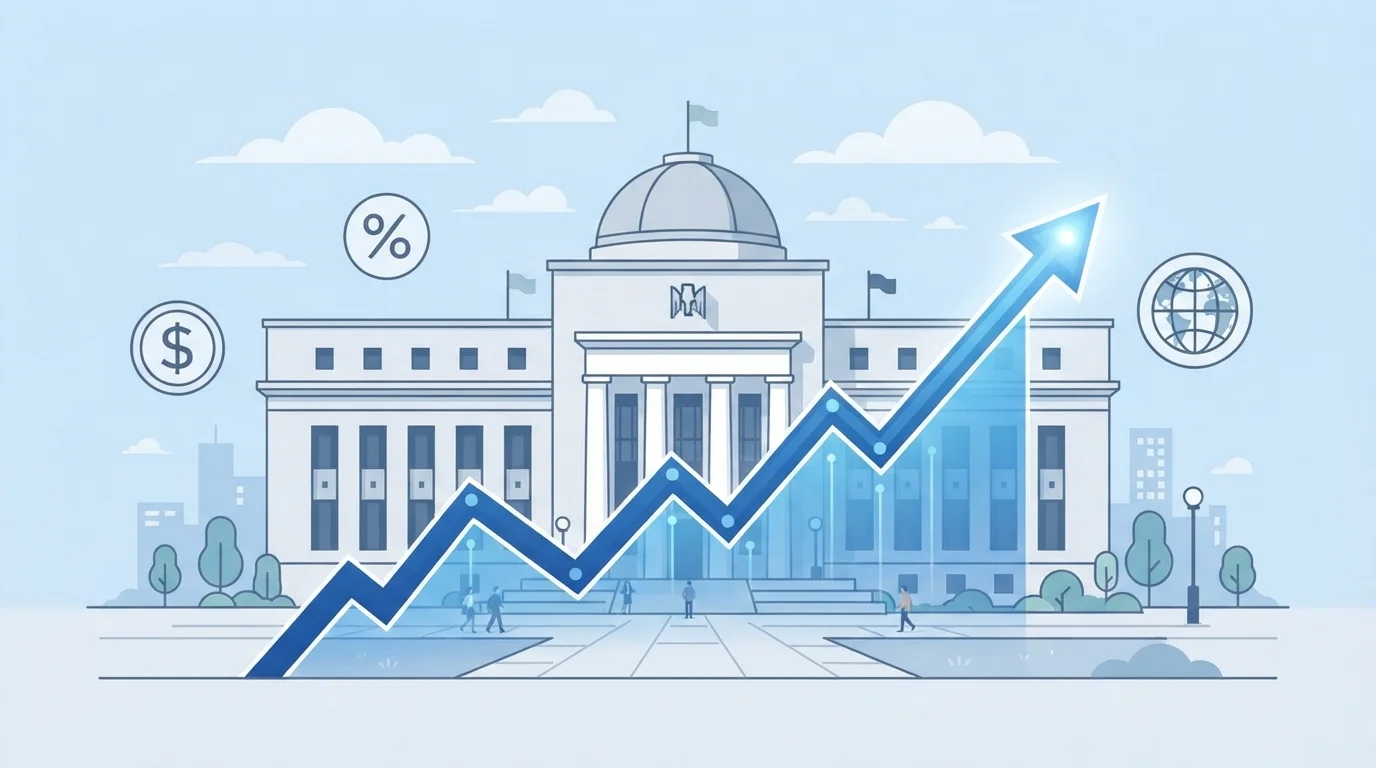
The United States Federal Reserve has done something it has not done in over three years. On Wednesday, September 16, 2026, the Fed raised its target federal funds rate by 25 basis points to a range of 3.75 percent to 4 percent. This is the first interest rate hike since July 2023.
The decision marks a significant shift in monetary policy. For years, the Fed kept rates low to support economic growth. Now, it is raising rates to address persistent inflation.
Why the Fed Raised Rates
The Federal Open Market Committee (FOMC) released a statement explaining the decision. The committee said economic activity is expanding at a solid pace. While uncertainty remains elevated due to geopolitical developments, domestic spending has been resilient.
The statement also noted that productivity growth is strong and capital investment is robust. Job gains have kept pace with the workforce, and the unemployment rate has changed little.
In simple terms, the economy is doing well enough that the Fed feels comfortable raising rates to keep inflation in check.
What This Means for the Global Economy
The US dollar is the world's reserve currency. When the Fed raises rates, it affects economies around the world.
1. Stronger Dollar
Higher interest rates typically make the dollar stronger. This makes US exports more expensive and imports cheaper. For countries that borrow in dollars, it becomes more expensive to repay their debt.
2. Pressure on Emerging Markets
Emerging markets often borrow in dollars. When the dollar strengthens, their debt burden increases. This can lead to capital outflows and currency depreciation.
3. Global Stock Markets
Rate hikes often cause volatility in stock markets. Investors may move money from stocks to bonds, which offer higher yields when rates rise.
4. Commodity Prices
A stronger dollar makes commodities like oil and gold more expensive for buyers using other currencies. This can reduce demand and lower prices.
What This Means for Pakistan and Other Developing Countries
For countries like Pakistan, a US rate hike can have several effects:
Currency pressure: The Pakistani rupee may weaken against the dollar
Import costs: Imported goods become more expensive
Debt servicing: Dollar-denominated debt becomes costlier to repay
Foreign investment: Higher US rates may attract capital away from emerging markets
What the Fed Might Do Next
The Fed's decision was widely anticipated by economists. The key question now is whether this is a one-time hike or the beginning of a series of increases.
The FOMC statement did not commit to a specific path. It said the committee will continue to monitor economic conditions and adjust policy as needed.



Join the conversation
Discussion0
Join the conversation. Sign in to leave a response or reply to comments.