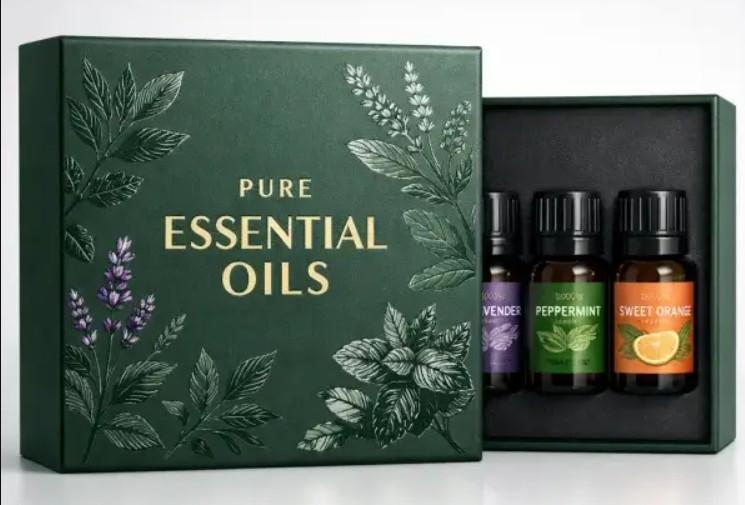
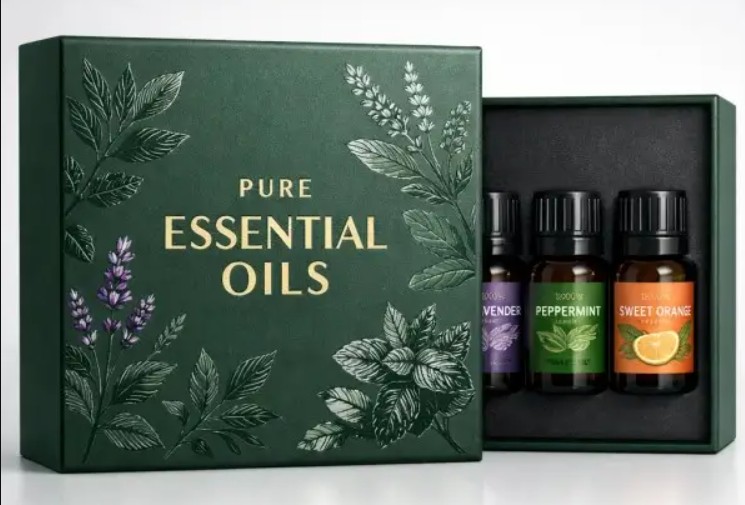
Essential oil brands face growing pressure to reduce environmental impact while still protecting delicate glass bottles and preserving product quality. Customers increasingly expect packaging that aligns with natural values and responsible practices. Sustainable choices in materials, structure and design help brands meet these expectations without compromising protection or presentation. The following six ideas offer practical ways to create more responsible custom essential oil boxes.
1. Choose Recycled and Recyclable Board Grades
Selecting board made from recycled content forms one of the most straightforward sustainable steps. Many high-quality options now combine recycled fibres with sufficient strength to protect glass bottles during transit. These materials reduce demand for virgin resources while remaining fully recyclable in standard paper streams.
Clear labelling on the box helps customers understand how to dispose of the packaging correctly. Simple recycling instructions printed on the base or side panel encourage responsible end-of-life handling. Brands that communicate material choices transparently often build stronger trust with environmentally aware buyers.
Testing board strength remains essential. Recycled grades can perform well when specified correctly for the weight and fragility of essential oil bottles. Physical samples filled with actual products confirm that the structure holds up under real shipping conditions.
2. Design for Minimal Material Use
Efficient structural design reduces the amount of board needed without sacrificing protection. A well-proportioned box that fits bottles closely uses less material than oversized alternatives. Precise sizing limits empty space and prevents bottles from moving during transport.
Removing unnecessary layers or decorative elements further lowers material consumption. Many brands achieve a clean, premium look with a single well-engineered structure rather than multiple nested components. This approach supports both sustainability goals and lower production costs.
Internal supports can still protect bottles effectively when designed thoughtfully. Simple cardboard inserts or dividers made from the same recyclable material keep products secure while avoiding plastic foam or non-recyclable fillers.
3. Opt for Plastic-Free Closures and Inserts
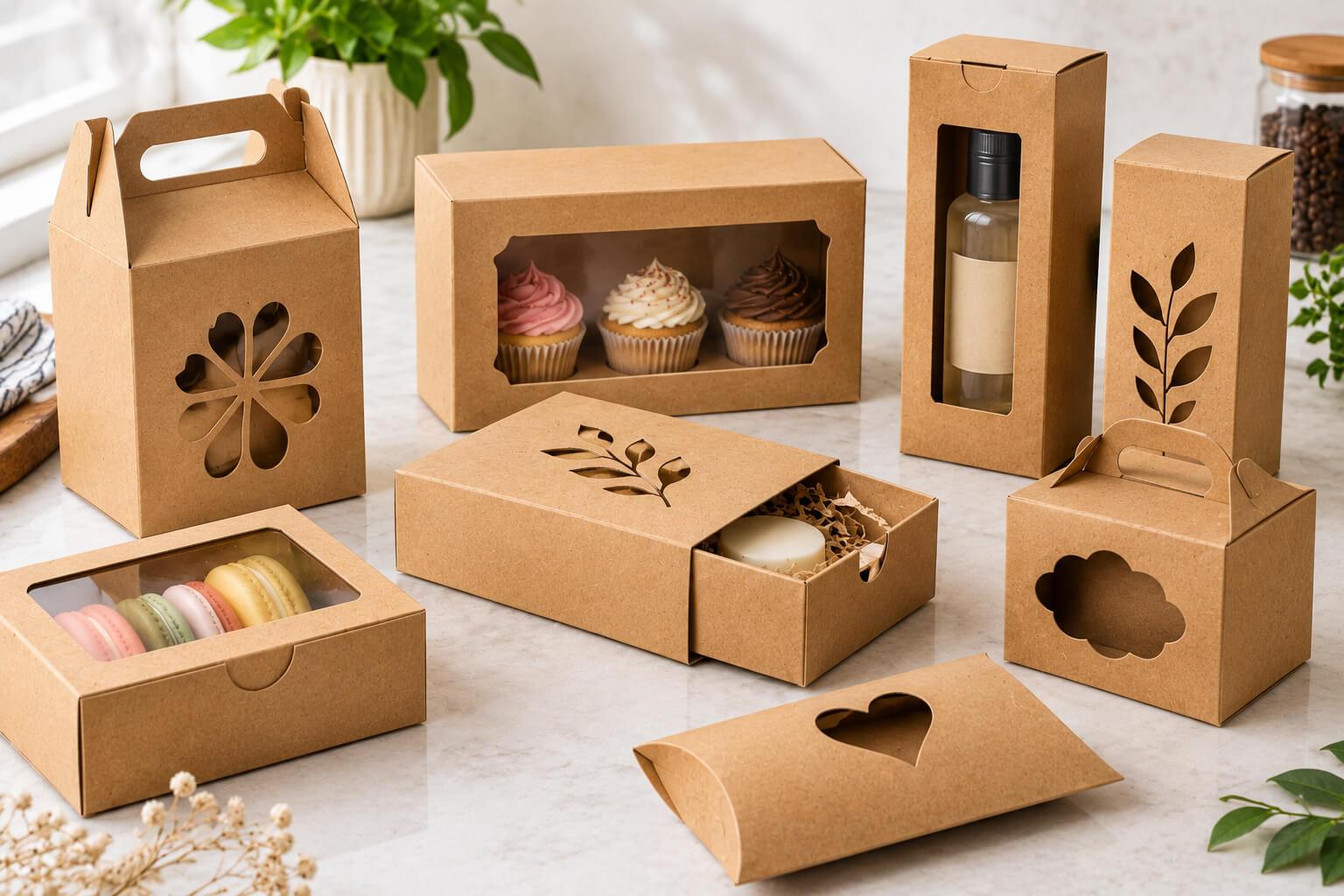
Traditional packaging sometimes relies on plastic trays, foam or adhesive tapes that complicate recycling. Switching to paper-based or cardboard alternatives creates a more fully recyclable pack. Tuck flaps, interlocking designs and paper seals can replace plastic elements in many cases.
For brands that need extra cushioning, moulded pulp or corrugated inserts offer effective protection without introducing mixed materials. These options break down more easily in recycling systems and align better with customer expectations for natural product packaging.
Eliminating plastic also simplifies communication about sustainability. A box that contains only paper and card materials allows clearer recycling claims and reduces the risk of contamination in waste streams.
4. Use Water-Based Inks and Low-Impact Finishes
Printing choices influence the environmental profile of the finished box. Water-based inks generally contain fewer volatile organic compounds than solvent-based alternatives and support cleaner production processes. Many printers now offer these options as standard for food-contact and natural product packaging.
Matte or soft-touch finishes can enhance the premium feel of essential oil boxes without relying on heavy plastic laminates. Some coatings remain compatible with recycling streams when applied in limited amounts. Brands should confirm recyclability with their packaging supplier to avoid unintended barriers.
Restrained print coverage also helps. Focusing branding on key areas rather than full-surface decoration reduces ink usage while still delivering clear visual identity. Clean, considered design often feels more aligned with the natural character of essential oils.
5. Incorporate Reusable or Refill-Friendly Elements
Some brands design outer boxes that customers can keep and reuse. Sturdy construction and attractive design encourage secondary uses such as storage for small items or travel organisation. When the box itself becomes useful beyond the initial product, overall material impact decreases.
Refill programmes pair well with durable outer packaging. Customers return empty bottles and receive new product in simplified inner packaging that fits the existing box. This model reduces the need for complete new packs with every purchase and supports longer-term customer relationships.
Clear instructions on how to reuse or return packaging help maximise these benefits. Simple messaging printed on the box guides customers and reinforces the brand’s commitment to responsible practices.
6. Prioritise Local Production and Efficient Logistics
Sourcing packaging closer to the point of packing reduces transport emissions associated with the boxes themselves. Working with regional suppliers can shorten supply chains and support more responsive production for smaller or seasonal runs.
Efficient outer shipping cartons that minimise void space further lower the environmental cost of distribution. Designing product boxes that nest or stack effectively helps optimise pallet and vehicle loads. These practical logistics choices complement sustainable material decisions.
Brands that track and communicate these efforts often strengthen credibility. Sharing information about local sourcing or reduced shipping impact provides tangible evidence of commitment beyond material claims alone.
Practical Considerations When Implementing Sustainable Ideas
Balancing protection with sustainability requires careful testing. Essential oil bottles are fragile, and any reduction in material must still safeguard against breakage. Physical samples shipped under realistic conditions reveal whether the design performs adequately.
Cost remains a factor for many businesses. Some sustainable options carry higher unit prices, particularly at lower volumes. Evaluating total cost, including potential savings from reduced material or improved brand perception, helps inform decisions.
Customer communication plays an important role. Clear, honest information about materials and disposal methods builds trust. Vague or exaggerated claims risk scepticism, while specific details about recycled content or recyclability support stronger engagement.
Common Pitfalls to Avoid
One frequent mistake involves prioritising appearance over function. A box that looks sustainable but fails to protect the product creates more waste through damage and returns. Structural performance must remain the foundation of any design.
Another issue arises when mixed materials complicate recycling. Combining paper board with non-recyclable coatings or plastic components can render the entire pack difficult to process. Designing for mono-material construction where possible improves end-of-life outcomes.
Ignoring real-world testing can also lead to problems. Laboratory specifications do not always reflect courier handling or storage conditions. Validating designs with actual product and shipping routes provides more reliable results.
Building a Coherent Sustainable Packaging Approach
The six ideas work best when applied together rather than in isolation. Recycled board, efficient design, plastic-free components, responsible printing, reusable elements and local sourcing reinforce one another. A coherent strategy communicates genuine commitment more effectively than isolated changes.
Start with the changes that deliver the greatest impact for your specific products and volumes. Many brands begin with material selection and structural efficiency, then progress to printing, inserts and logistics improvements over time.
Moving Forward with More Responsible Packaging
Sustainable packaging for essential oils requires thoughtful decisions across materials, structure, printing and logistics. Custom essential oil boxes that incorporate recycled content, minimise waste, avoid plastic, use responsible inks, support reuse and reduce transport impact help brands align with customer values while still protecting fragile products.
The most effective approaches balance environmental performance with practical protection and clear branding. Brands that treat packaging as part of their wider sustainability effort rather than a separate concern gain stronger credibility and longer-term customer loyalty.
Review your current packaging against these six ideas. Identify the areas where meaningful improvements are most achievable, whether in materials, design efficiency or end-of-life considerations. Taking measured, evidence-based steps helps you create packaging that protects your oils and supports a more responsible brand story.
Join the conversation
Discussion0
Join the conversation. Sign in to leave a response or reply to comments.