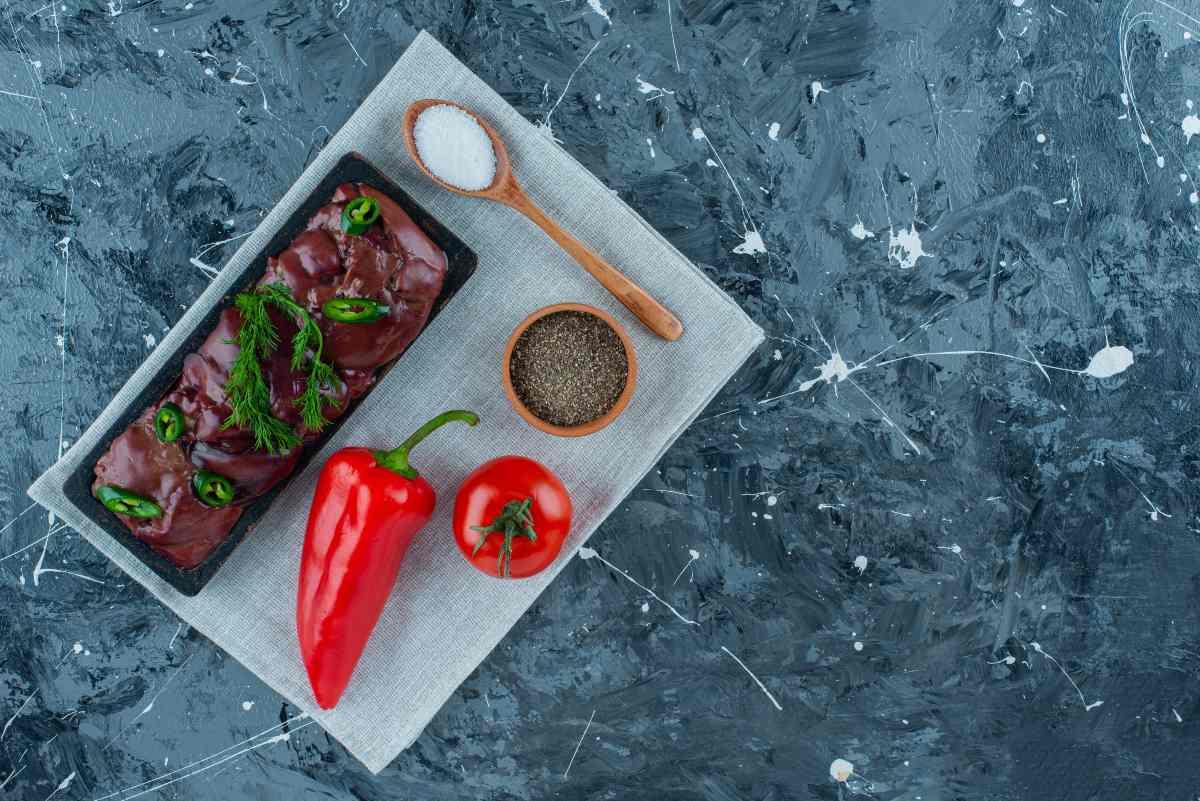
Few foods divide a dinner table like liver. Some people grew up eating it and still crave it. Others push it to the edge of the plate and never look back. But when you look at Beef Liver Nutrition on paper, almost no other everyday food can compete per calorie. It is dense, affordable, and packed with nutrients that many home cooks struggle to get in sufficient amounts.
In this guide, we break down exactly what is inside this classic organ meat, what the science says about its benefits, who should be careful with it, and how to cook it so it tastes tender and rich instead of bitter and tough. Whether you are a curious beginner, a keto or carnivore follower, or a parent trying to boost iron in the family diet, you will find clear, practical answers below.
What Makes Beef Liver So Nutritious?
A 3-ounce (85 g) serving of cooked beef liver provides roughly 23 to 25 grams of complete protein and about 150 calories. It also supplies several times your daily need of vitamin B12, vitamin A, riboflavin and copper, plus meaningful amounts of iron, zinc, folate, selenium and choline. That is why Beef Liver Nutrition is so often described as nature's multivitamin.
Key takeaways at a glance:
High in complete, easily digestible protein
One of the richest food sources of vitamin B12 and preformed vitamin A (retinol)
Excellent source of heme iron, the most absorbable form
Naturally low in carbohydrates and very low in sugar
Best eaten in small portions, about once a week, because of its vitamin A and copper content
Beef Liver Nutrition Facts per Serving
The numbers below are rounded approximations based on USDA FoodData Central data for beef liver. Exact values vary with the animal's diet, the cut, and how you cook it, so treat them as a reliable guide rather than a lab report. Percent Daily Values (%DV) are based on a 2,000-calorie diet.
Nutrient | Raw, 100 g | Cooked, 3 oz (85 g) | Approx. %DV (cooked) |
Calories | 135 | 150 | 7% |
Protein | 20.4 g | 23 g | 46% |
Total fat | 3.6 g | 4.5 g | 6% |
Carbohydrates | 3.9 g | 4.5 g | 2% |
Vitamin A (RAE) | 4,970 mcg | 5,600 mcg | about 620% |
Vitamin B12 | 59 mcg | 60 mcg | about 2,500% |
Riboflavin (B2) | 2.8 mg | 2.9 mg | about 220% |
Folate | 290 mcg | 215 mcg | about 54% |
Iron | 4.9 mg | 5.5 mg | about 30% |
Copper | 9.8 mg | 12.5 mg | well over 1,000% |
Zinc | 4 mg | 4.4 mg | about 40% |
Selenium | 40 mcg | 37 mcg | about 67% |
Choline | 333 mg | 355 mg | about 65% |
Cholesterol | 275 mg | 300 mg | n/a |
A few things stand out right away. First, the vitamin B12 and vitamin A numbers are enormous compared with almost any other food. Second, the calories are modest for the amount of protein you get. Third, a single serving can exceed your weekly needs for some minerals, which is exactly why portion size matters. We cover that further down.
Key Nutrients in Beef Liver Explained
Numbers on a chart only tell part of the story. Here is what each major nutrient behind Beef Liver Nutrition actually does in your body.
Vitamin A (Retinol)
Liver is the richest common food source of preformed vitamin A. This is the active form your body can use immediately, unlike the beta-carotene in carrots and sweet potatoes, which has to be converted first. Vitamin A supports night vision, immune defense, skin renewal, and normal cell growth. It is also the nutrient that calls for the most caution, because it is fat-soluble and can build up in the body.
Vitamin B12 and Other B Vitamins
This organ meat contains a remarkable amount of vitamin B12, which your body needs to make red blood cells, maintain healthy nerves, and produce DNA. It also delivers riboflavin (B2), niacin (B3), vitamin B6 and folate. Together, these B vitamins help convert food into usable energy, which is why many people report feeling less sluggish when they add liver to their weekly menu. People who eat little or no meat are at higher risk of low B12, and liver is a very efficient way to close that gap.
Heme Iron
Iron deficiency is one of the most common nutrient shortfalls worldwide. The iron in liver is heme iron, the form found in animal foods, and your body absorbs it far more readily than the non-heme iron found in beans and spinach. Eating liver alongside a source of vitamin C, such as peppers, tomatoes or a squeeze of lemon, can improve iron uptake even further.
Copper, Zinc and Selenium
Copper helps your body use iron, build connective tissue, and support the nervous system. Zinc supports immunity, wound healing and taste perception. Selenium works as an antioxidant and supports thyroid function. Liver supplies all three in meaningful amounts. Copper is the one to watch, since a single serving can far exceed the daily recommendation.
Choline
Choline is a lesser-known nutrient that supports brain function, memory, mood regulation and liver health. Many adults do not reach the recommended intake of 425 to 550 mg per day. A serving of liver covers a large share of that target, along with eggs, which are the other top source.
High-Quality Protein
Liver provides all nine essential amino acids in a form that is easy to digest. With about 23 grams of protein in a cooked 3-ounce portion, it rivals many standard cuts of meat while remaining relatively lean.
Science-Backed Health Benefits
Because Beef Liver Nutrition is so concentrated, regular small servings may offer several advantages. Remember that most research looks at individual nutrients rather than liver itself, so these benefits are best understood as what the nutrients can do.
Supports Energy and Reduces the Risk of Anemia
Heme iron, vitamin B12 and folate are the three main nutrients the body relies on to build healthy red blood cells. When they are low, fatigue, pale skin and shortness of breath can follow. Because the liver's nutrient profile covers all three at once, it has long been used in traditional diets to support people recovering from iron-deficiency anemia. If you suspect you are anemic, speak to a healthcare professional before changing your diet, since the cause matters.
Supports Vision and Immune Health
Vitamin A is essential for the retina and for the mucous membranes that act as your body's first line of defense against germs. Zinc and selenium add to that immune support. Together they make liver a nutrient-rich choice during cold and flu season, as long as portions stay sensible.
Supports Brain and Nerve Function
Choline, B12, B6 and folate all play roles in how nerve cells communicate and how the brain builds and maintains its structure. Adequate intake of these nutrients across the lifespan is linked with better cognitive health.
Helps You Feel Full
Protein is the most filling macronutrient. With its high protein density and low carbohydrate content, liver fits well into higher-protein, lower-carb eating patterns, including keto meal plans.
Budget-Friendly Nutrition
At a time when grocery prices keep climbing, liver is typically one of the cheapest sources of protein and micronutrients at the butcher counter. A small amount goes a long way, which makes it a smart choice for families watching their spending.
If you want a deeper look at both sides of the debate, you can read our dedicated article: Is beef liver healthy?
Risks and Who Should Be Careful
Trustworthy advice on Beef Liver Nutrition means talking about the downsides too. Liver is a superfood for some people and a poor choice for others.
Vitamin A Overload
Preformed vitamin A is stored in your liver and fatty tissue, so eating too much, too often can lead to hypervitaminosis A. Symptoms include headaches, nausea, dizziness, and in long-term cases, bone and liver problems. A single cooked serving can contain more than five times the daily recommended amount, so daily consumption is not advised.
Pregnancy
High intake of preformed vitamin A during pregnancy has been linked with an increased risk of birth defects. Many health authorities advise pregnant women to avoid liver or limit it carefully and to ask their doctor or midwife what is appropriate for them. Folate from liver is helpful, but it is not worth exceeding the vitamin A limit.
Copper and Iron Concerns
People with Wilson's disease, a disorder of copper metabolism, should avoid liver. People with hemochromatosis, a condition in which the body stores too much iron, should also avoid it unless their doctor says otherwise.
Cholesterol, Gout and Medications
Liver is high in dietary cholesterol and purines. Although dietary cholesterol affects most people less than once believed, those with high cholesterol or a doctor's recommendation to limit it should take care. Purines can trigger flare-ups in people prone to gout. If you take medications such as blood thinners, check with your pharmacist or physician about vitamin interactions.
Food Safety
Liver is a perishable food. It should be bought fresh from a trusted source, stored cold, and cooked thoroughly. Undercooked liver can carry bacteria such as Campylobacter and Salmonella, so avoid serving it pink.
Disclaimer: This article is for general education and is not a substitute for personalized medical advice.
How Much Beef Liver Should You Eat?
There is no single official limit, but a common guideline from dietitians is one serving of 3 to 4 ounces (85 to 115 g), once per week. Some people prefer a smaller portion, such as 1 to 2 ounces, two or three times per week. This keeps vitamin A and copper intake within safe ranges while still delivering the full benefits of Beef Liver Nutrition.
Practical ways to stay within a healthy range:
Treat liver as a weekly feature, not a daily staple
Mix a small amount of finely minced liver into ground beef dishes
Count other vitamin A sources, such as cod liver oil or high-dose supplements
Skip other liver products, such as pâté, on the same day
How Does Beef Liver Compare to Chicken Liver and Chicken Breast?
A quick comparison helps put the numbers in context. Chicken liver is slightly milder in flavor and a little lower in vitamin A, but still very high in B12 and iron. Beef liver has a stronger, more mineral taste and usually the highest copper and vitamin A content of the two.
When you compare Beef Liver Nutrition with a lean muscle meat such as chicken breast, the contrast is striking. Chicken breast is lower in calories per ounce and slightly higher in protein for the same weight, but it contains only a fraction of the vitamins and minerals that liver provides. The two foods complement one another rather than compete.
If you are tracking your protein targets, see our guide to how much protein is in chicken breast for a clear side-by-side reference.
How to Buy, Store and Prepare Beef Liver
Great flavor starts at the shop. A few simple habits make the difference between a tender, mild dish and a bitter, rubbery one.
Choosing the Best Liver
Look for a deep, glossy reddish-brown color with a moist, smooth surface
Smell it: it should smell fresh and slightly metallic, never sour
Choose liver from grass-fed or pasture-raised cattle if your budget allows
Buy from a trusted butcher and ask when it came in
Storing It Safely
Keep fresh liver in the coldest part of your refrigerator and cook it within one to two days. For longer storage, slice it into portions, wrap tightly, and freeze for up to three months. Thaw overnight in the refrigerator, never on the counter.
Prepping to Remove Bitterness
Trim: Remove the thin outer membrane and any visible tubes or tough connective tissue.
Soak: Submerge slices in milk, buttermilk, or water with a splash of lemon juice or vinegar for 30 to 60 minutes. This mellows the strong flavor.
Pat dry: Drain and dry thoroughly with paper towels so the surface browns instead of steaming.
Slice evenly: Aim for slices about 1/2 inch (1 cm) thick for even cooking.
Cooking Tips
The number one mistake is overcooking. Liver turns dry, grainy and bitter when cooked too long. Sear slices in a hot pan for two to three minutes per side, and cook until the center is no longer pink and the internal temperature reaches 160°F (71°C). Pair it with something acidic or sweet, like caramelized onions, tomatoes, or peppers, to balance the flavor.
Delicious Ways to Cook Beef Liver at Home
You do not have to eat liver plain. Here are some of our favorite approaches that make the nutrition easy to enjoy.
Classic Liver and Onions
Sear floured slices in butter, then top with slow-cooked onions. It is simple, comforting, and ready in 20 minutes.
Rich, Spiced Liver Stew
Slow simmering in a tomato and pepper base keeps the meat tender and tames its strong taste. For a bold, peppery version, try our step-by-step recipe: how to cook peppered beef liver stew.
Prefer a classic, tender and savory style? Our most popular version is here: the best liver stew, tender, rich and full of flavor.
Hidden Liver in Ground Beef
Finely grate or blend 10 to 20 percent liver into burgers, meatballs, meatloaf or bolognese sauce. You get the nutrients with very little change in taste, which works well for picky eaters.
Liver Pâté or Spread
Blend cooked liver with butter, herbs and a splash of cream or stock for a smooth spread to serve on toast or crackers.
Dried or Capsule Options
If you cannot stand the taste, desiccated liver capsules are available. Quality varies, and they still contain vitamin A, so check the label and speak to a healthcare provider before using them regularly.
Final Thoughts
For most healthy adults, the answer is yes, in moderation. Beef Liver Nutrition offers an extraordinary mix of protein, B vitamins, heme iron, choline and trace minerals in a small, affordable portion. The key is balance: enjoy a modest serving about once a week, prepare it properly so it tastes great, and skip it or ask your doctor first if you are pregnant or have a condition that affects iron, copper or vitamin A.
Frequently Asked Questions
What is the main benefit of eating beef liver?
The main benefit is the concentration of nutrients. It provides large amounts of vitamin B12, vitamin A, riboflavin, heme iron, copper and choline in a lean, high-protein food, which can help support energy levels, immune function and healthy blood.
How often can you eat beef liver safely?
Most dietitians suggest one serving of about 3 to 4 ounces per week for healthy adults. Eating it every day can push vitamin A and copper intake above safe limits.
Is beef liver good for iron deficiency?
Yes. It contains heme iron, which the body absorbs efficiently, along with B12 and folate that support red blood cell production. Always confirm the cause of low iron with a doctor first.
Why does liver taste bitter, and how can I fix it?
Bitterness usually comes from overcooking or from skipping the soak. Remove the membrane, soak the slices in milk or lightly acidic water for 30 to 60 minutes, and cook quickly over medium-high heat until just done.
What are the best foods to serve with liver?
Sweet or acidic partners balance the flavor and support iron absorption. Think caramelized onions, tomatoes, peppers, mashed potatoes, steamed greens, or a squeeze of lemon.
Is beef liver good for weight loss or keto diets?
It is naturally low in carbohydrates and very satisfying, so it fits keto and higher-protein diets. Because it is nutrient-dense rather than high in calories, it can also help you feel full without overshooting your daily energy goals.




Join the conversation
Discussion0
Join the conversation. Sign in to leave a response or reply to comments.