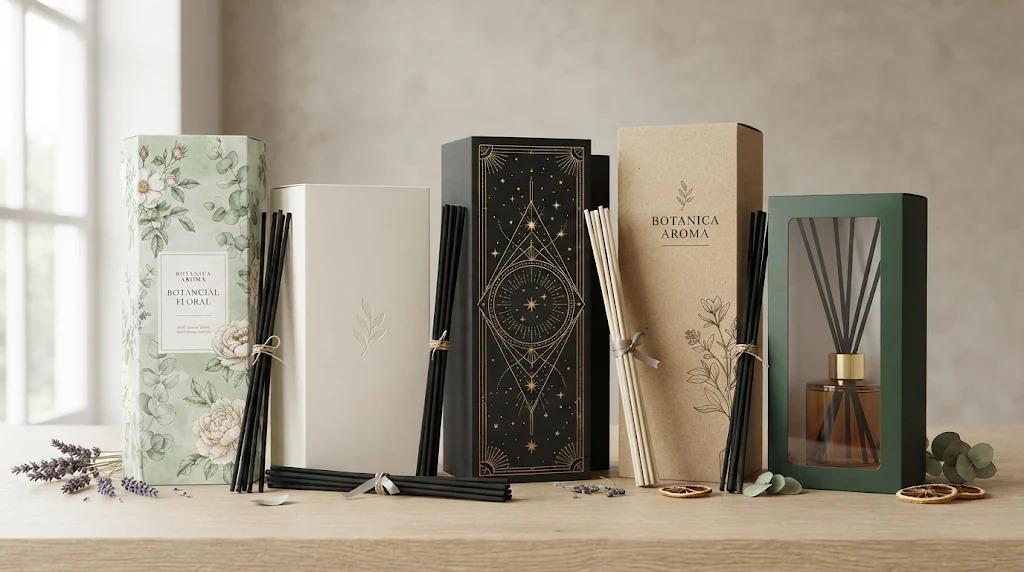
Reed diffusers have become popular home fragrance products for bedrooms, living rooms, offices, spas, and other interior spaces. While the fragrance determines the atmosphere a product creates, its packaging influences how customers perceive the scent, brand, and overall product quality before making a purchase. Thoughtfully designed custom reed diffuser boxes help fragrance businesses present their products professionally, differentiate scent collections, and create a memorable retail experience.
A well-designed box should complement the fragrance inside rather than simply contain the bottle. From botanical illustrations and minimalist graphics to luxury finishes and creative window cutouts, packaging offers numerous opportunities to communicate a brand's personality. The right design also considers bottle dimensions, product protection, and customer convenience, ensuring the packaging looks attractive while serving a practical purpose.
What Makes a Reed Diffuser Box Design Stand Out?
Packaging needs to communicate the product's character within seconds. Customers browsing home fragrance products often compare several brands based on appearance, fragrance descriptions, price, and perceived quality. A distinctive reed diffuser box design can make a product more noticeable without relying on excessive graphics or complicated layouts.
The most effective designs maintain a balance between visual appeal and clarity. The fragrance name, brand logo, scent notes, product information, and bottle presentation should work together. Instead of filling every available space with text, brands can use carefully selected colors, typography, and artwork to create a recognizable appearance.
Packaging also needs to reflect the intended audience. A diffuser marketed as a relaxing bedtime fragrance might use muted lavender, soft cream, and understated typography, while an energizing citrus diffuser could feature brighter colors and more expressive illustrations.
Designing Packaging Around the Fragrance
Every fragrance has a personality, and packaging can communicate that personality through visual elements. Brands can develop different designs for individual scents while maintaining a consistent identity across their product collections.
Floral fragrances
Soft pink, cream, pastel green, and lavender tones paired with floral illustrations create a delicate appearance. These designs work well for rose, jasmine, peony, and other floral diffuser collections.
Woody and earthy scents
Brown, olive, beige, and charcoal colors complement sandalwood, cedar, amber, and patchouli fragrances. Natural textures and understated artwork can reinforce a grounded, organic aesthetic.
Citrus fragrances
Bright yellow, orange, and green shades create an energetic appearance. Lemon, bergamot, grapefruit, and orange-inspired graphics help customers associate the packaging with freshness.
Luxury fragrances
Black, ivory, deep burgundy, and metallic accents create a sophisticated appearance. Restrained typography and clean layouts can communicate premium positioning without overwhelming the design.
Brands can also create a visual connection between the packaging and the fragrance's ingredients. For example, a diffuser containing eucalyptus and mint may feature green botanical illustrations, while a vanilla fragrance could use warm beige tones and subtle cream-colored patterns.
6 Creative Packaging Concepts for Reed Diffusers
A fragrance brand does not need to follow conventional packaging designs to attract attention. Creative structures, artwork, and finishing techniques can transform ordinary packaging into something that customers recognize and remember.
1. Botanical-Inspired Packaging
Botanical designs are particularly suitable for fragrances featuring flowers, herbs, fruits, and essential oils. Leaf illustrations, delicate floral patterns, natural color palettes, and subtle textures can create a connection with nature.
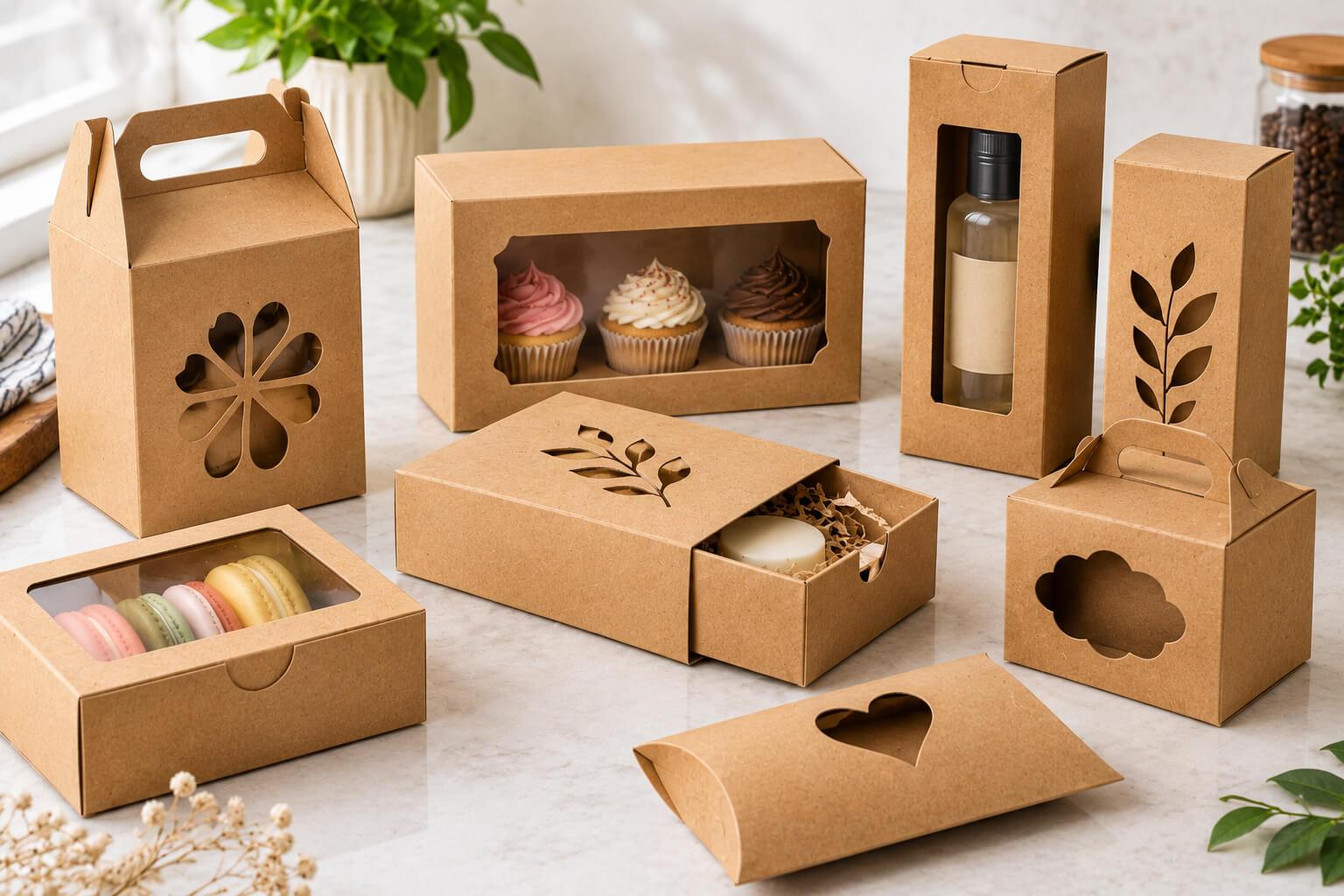
Brands can use printed botanical artwork across the box panels or keep the design minimal with a small illustration near the logo. For natural fragrance collections, Kraft Boxes can complement earthy colors and organic graphics, creating a cohesive appearance that reflects the scent's ingredients.
2. Minimalist Fragrance Boxes
Minimalist packaging uses fewer design elements to create a refined appearance. Instead of elaborate illustrations, the box might feature a small logo, fragrance name, subtle background color, and a short description of the scent.
This approach is especially suitable for modern home fragrance brands that want their products to complement contemporary interiors. White, beige, grey, and muted colors can create an elegant visual identity, while typography and spacing become the main design features.
3. Luxury Presentation Packaging
Premium fragrance collections often benefit from packaging that feels as sophisticated as the product itself. Dark backgrounds, metallic foil, embossed logos, decorative patterns, and textured surfaces can elevate the presentation.
For higher-end products, rigid packaging can create a substantial feel and offer additional protection to glass bottles. Magnetic closures, layered inserts, and elegant interior printing can also make the packaging suitable for gifting. However, luxury design does not always require expensive structures; carefully selected finishes on well-designed custom reed diffuser boxes can also create a premium appearance.
4. Window Display Packaging
Window packaging allows customers to see the diffuser bottle without opening the box. A strategically positioned transparent window can showcase the bottle's shape, color, decorative cap, or label while keeping the product enclosed.
Brands can experiment with rectangular, circular, arched, or custom-shaped windows depending on their artwork. Explore Custom Window Boxes for packaging ideas that combine product visibility with printed branding.
The window should be positioned carefully to avoid compromising structural strength, particularly when the box contains a heavy glass bottle.
5. Vintage-Inspired Packaging
Vintage designs can give fragrance products a nostalgic and distinctive appearance. Decorative borders, serif typography, old-fashioned botanical illustrations, muted colors, and heritage-inspired logos work well for traditional fragrance collections.
A vintage-inspired diffuser box can also feature small details such as ingredient illustrations, ornamental frames, or classic fragrance descriptions. This design direction is particularly suitable for brands selling traditional scents, handcrafted products, or collections inspired by historic perfumery.
6. Modern Geometric Packaging
Geometric artwork offers a contemporary alternative to botanical and traditional fragrance packaging. Abstract shapes, overlapping patterns, contrasting colors, and asymmetrical layouts can create a strong visual identity.
Brands targeting younger consumers or modern interior design enthusiasts may use geometric elements to distinguish their products from conventional home fragrance packaging. The artwork can also be adapted across different fragrances by changing colors while maintaining the same overall pattern.
Turning a Simple Box into a Brand Statement
A recognizable packaging identity requires more than placing a logo on the front panel. Every design element should contribute to the overall appearance and help customers identify the brand across different products and fragrance collections.
Logo placement is one of the most important considerations. A centered logo can create a balanced, traditional appearance, while a smaller logo positioned near the top or bottom can support a minimalist layout. The logo should remain clearly visible without competing with the fragrance name or decorative artwork.
Typography also influences how customers perceive a fragrance. Elegant serif fonts may suit luxury or classic scents, whereas clean sans-serif fonts can create a modern appearance. Brands should maintain a clear hierarchy between the logo, fragrance name, scent notes, and product information.
Color consistency is equally important. Businesses offering multiple fragrances can assign a different color to each scent while retaining the same logo placement, typography, and overall layout. This makes individual products easy to distinguish while maintaining a recognizable packaging identity.
Designing for the Bottle, Not Just the Artwork
Even the most attractive packaging design can become impractical if the box does not accommodate the diffuser bottle correctly. Reed diffusers commonly feature glass containers, decorative caps, fragrance oils, and separate reed sticks, all of which require consideration during the design process.
Choosing the Appropriate Reed Diffuser Box Size
The reed diffuser box size should be determined by measuring the actual product rather than estimating dimensions based on standard bottles. Measurements should include the bottle's height, width, depth, cap, and any additional accessories.
Measurements to consider
Bottle height, including the cap
Maximum bottle width and depth
Space required for reed sticks
Insert thickness and internal clearance
Additional components, such as decorative collars or gift accessories
For example, 50ml reed diffuser boxes are commonly designed for compact fragrance bottles used in travel collections, small gift sets, or introductory product ranges. However, a 50ml bottle with a wide, rounded shape may require a different box structure from a narrow rectangular bottle containing the same volume.
The packaging should provide sufficient clearance for inserting and removing the bottle while keeping it secure during handling. Excessive empty space can make the product appear poorly fitted and increase shipping costs, whereas an overly tight box may damage the bottle or make packaging difficult.
Selecting Materials for Structural Support
Material selection should complement the intended design and the weight of the diffuser bottle. Paperboard is suitable for many retail packaging applications because it supports printed graphics and decorative finishes while offering flexibility in box construction.
For heavier glass bottles or products requiring additional protection, thicker paperboard or corrugated structures may be appropriate. Brands can explore [Cardboard Boxes] for different packaging structures and material options suited to product protection and presentation.
The objective is to select a material that supports the artwork, maintains the box's shape, and protects the contents without making the packaging unnecessarily bulky.
Designing Protective Inserts
Inserts help prevent glass bottles from shifting inside the packaging. Depending on the product, brands can use cardboard dividers, die-cut paperboard inserts, or protective cushioning materials.
An insert may also separate the bottle from reed sticks, caps, or accessories. Custom-shaped inserts can improve the arrangement of the contents and create a cleaner presentation when customers open the box.
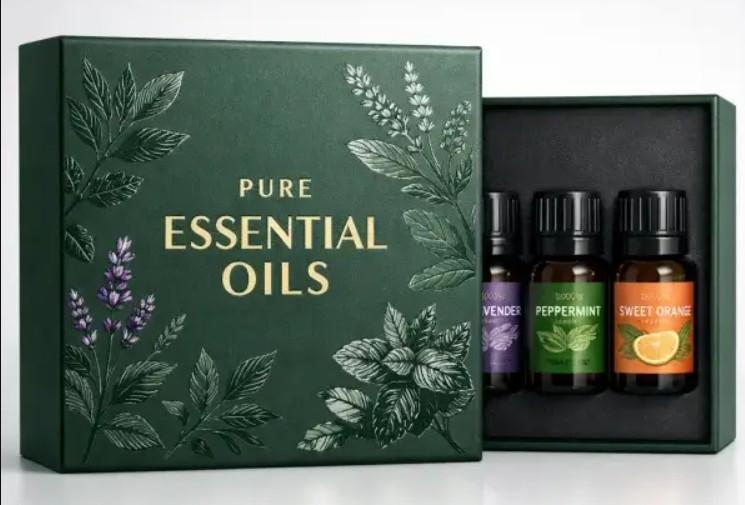
For gift sets containing multiple bottles, inserts become particularly important because they help keep each product in its designated position.
Creating a Consistent Packaging Collection
Fragrance businesses often sell several scents, bottle sizes, and seasonal variations. Developing an individual packaging design for every product can make a collection look disconnected. Instead, brands can create a unified packaging system that allows individual fragrances to stand out while maintaining a consistent visual identity.
For example, a company selling lavender, vanilla, sandalwood, and citrus diffusers can use the same box structure, logo placement, and typography across the entire collection. Each fragrance can have its own color, illustration, or decorative pattern to distinguish it from the others.
This approach makes it easier to expand a product range without redesigning the entire packaging system. Businesses ordering empty reed diffuser boxes can also use the same packaging structure for multiple fragrance variants, adjusting printed artwork or labels according to the product.
Seasonal collections offer another opportunity to introduce creative designs. Christmas diffusers may feature festive colors and decorative patterns, while spring collections could use floral illustrations and pastel shades. Limited-edition packaging can create a different visual experience without changing the brand's core identity.
From Design Concept to Finished Packaging
Turning a packaging idea into a finished product requires careful preparation. Once the design direction has been selected, brands should prepare artwork according to the box template, ensuring that logos, text, illustrations, and decorative elements are positioned correctly.
Before production, reviewing a digital mockup helps visualize the packaging from different angles. It allows businesses to assess the color combinations, branding, product information, and overall appearance before finalizing the artwork.
Printing and finishing options should support the design rather than distract from it. Matte lamination can create a soft, understated appearance, while gloss finishes add brightness. Foil stamping can highlight logos or fragrance names, and embossing can introduce texture to selected design elements.
When developing custom reed diffuser boxes, brands should also consider how the finished packaging will look under retail lighting, inside gift arrangements, and in product photography. A design that looks attractive on a computer screen should maintain its appeal when printed and assembled.
The final packaging should bring together the fragrance's identity, bottle presentation, structural design, and branding in a way that feels cohesive.
Conclusion
Successful fragrance packaging combines creativity with practical design decisions. From botanical artwork and minimalist layouts to luxury finishes and transparent windows, businesses have numerous ways to create packaging that reflects their fragrance collections and appeals to their target customers.
The most effective custom reed diffuser boxes are designed around the product, brand identity, and customer experience. By considering bottle dimensions, appropriate materials, protective inserts, and consistent visual elements, fragrance businesses can develop packaging that enhances product presentation while supporting their retail and gifting needs.
Whether launching a new scent or refreshing an existing collection, investing in thoughtful packaging design can help create a stronger brand identity and make home fragrance products more memorable.
Join the conversation
Discussion0
Join the conversation. Sign in to leave a response or reply to comments.