Consider the last time you went through a door without giving it a second thought. No sign had to be read. No hesitation was required. Your hand just knew what to do.
That is design working. Here's where things get weird. The better it works, the less you notice it.
Design is a pile of tiny arguments
No one notices them. There was some discussion about where the handle should be placed, how much the door should open, whether the edge should be smooth or sharp. Many little details, every one of which has been decided upon and forgotten.
When everything works right, you don’t notice anything. When one detail is wrong, you notice it every day. Ever tried pushing a door that wants to be pulled? You've just lost a bad argument.
Limits are where ideas come from
Hand someone a blank page and unlimited options, and they often freeze. Hand them a strict box and they get clever.
A sonnet has fourteen lines. A road sign only gets a quick glance from a driver. A chair has to hold a person, and a button has to be found by a thumb in the dark. None of that is the enemy of creativity. It's the starting line. The creative part is how gracefully you meet the demand.
Taking away is harder than adding
Adding is easy. A new colour or an extra line feels like progress. Taking away needs nerve, because you have to be sure nobody will miss it.
Try it on anything you make. Write a paragraph, then cut the weakest sentence. Sketch a layout, then remove one element. If nothing breaks, you've just improved it. If something does break, you've learned what actually mattered.
Copying versus borrowing
Every creative person borrows. What matters is what you borrow.
Copying raises the surface level, such as appearance and the logo. Imitation raises the underlying ideas and reconstructs them in a new context.
Costuming is a good example of the difference between the two. Within seconds on screen, a costume designer can make an actor appear tough or one step ahead of the rest. The costume itself needs merely stand up to the rigors of filming. But now everyone wants that appearance in the real world on a Tuesday with a bus to catch.
Making that jump is a craft of its own. A store like CelebsJacket, which has sold jackets inspired by film and music icons since 2013, works in exactly that gap. Keep whatever made the look memorable. Quietly fix whatever only worked for the camera, like a stiff sleeve or a lining that bunches when you reach.
Restraint looks easy
Simple things are ignored because they never yell. However, it takes much effort to create something that has a simple form because everything not added had to be fought for first.
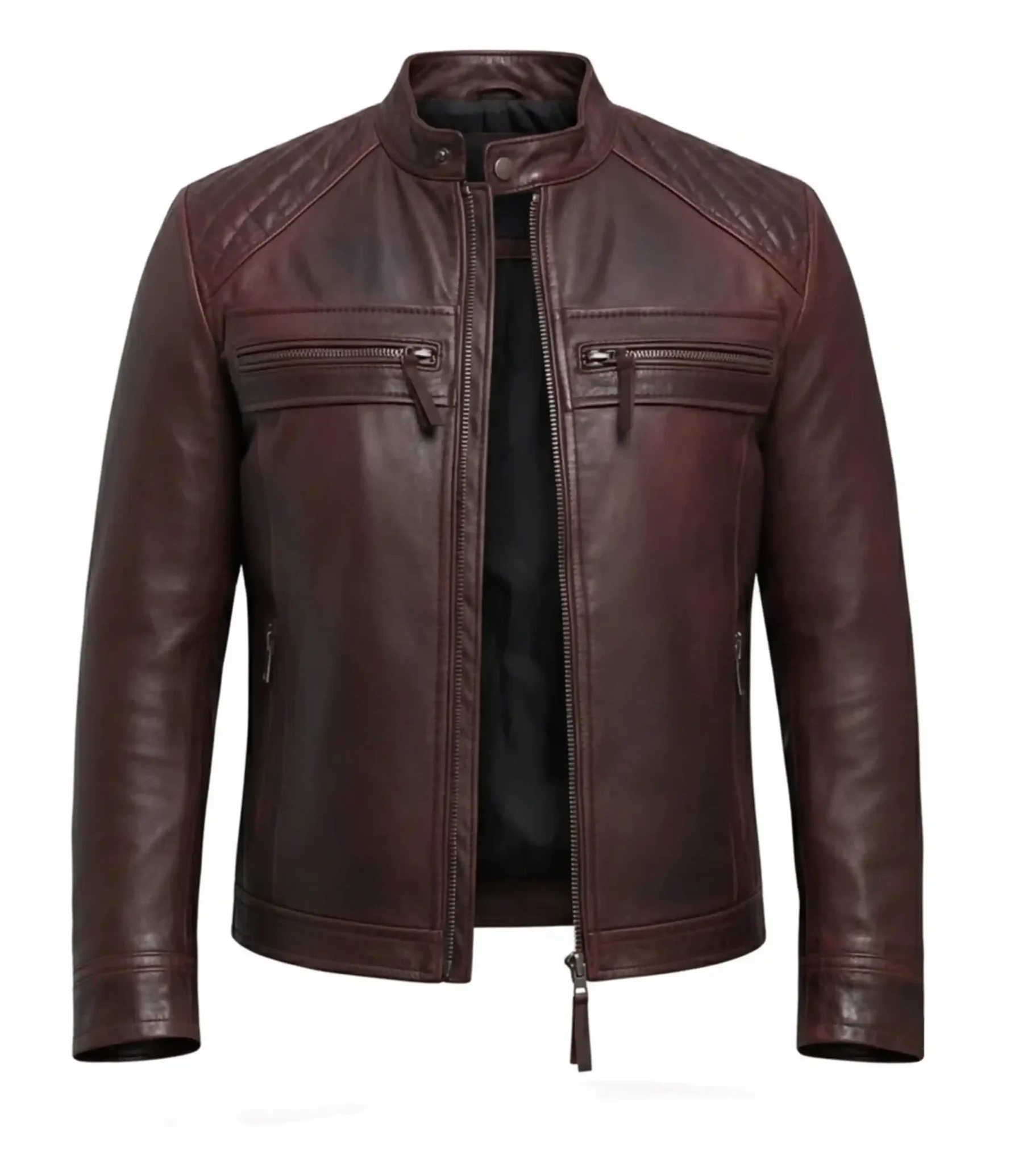
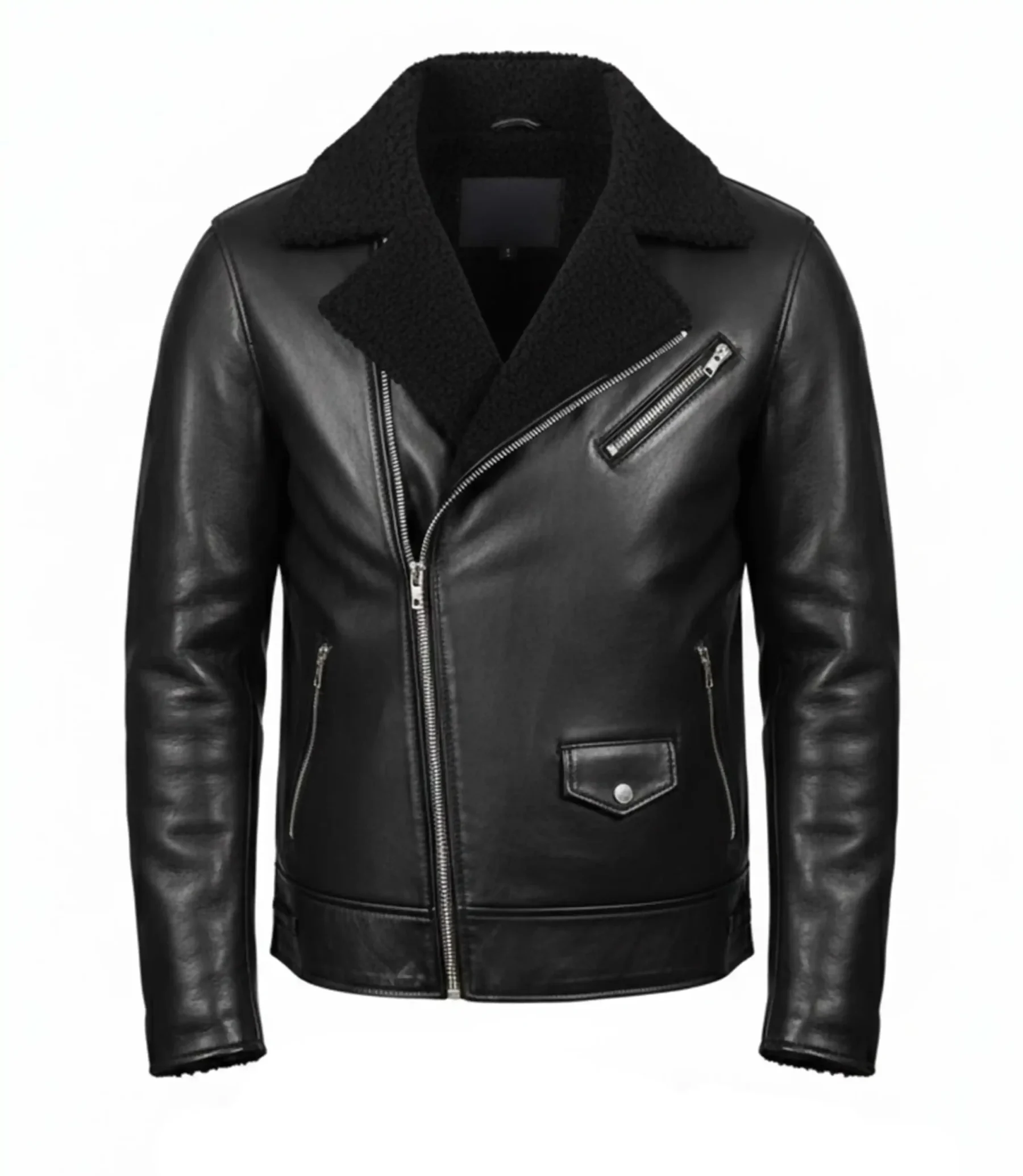
Classic jackets are a handy place to see this. This bomber versus biker comparison looks at two familiar shapes side by side. Each solves the same problem its own way, and neither needs much ornament to make its point.
Plan for the second year
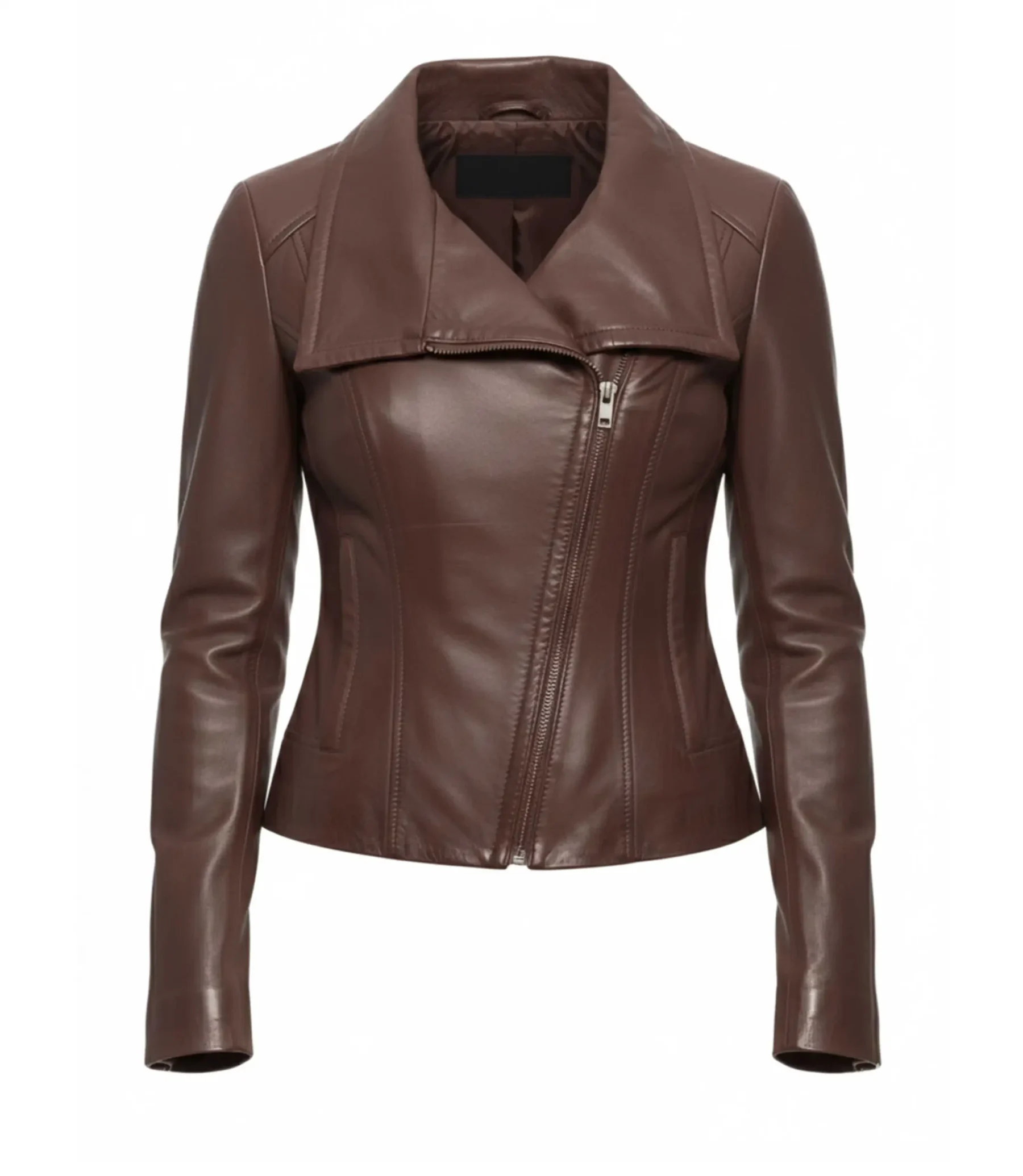
All things constructed using tangible materials will change. Denim fades at bends. Leather becomes softer and carries marks that resemble memories.
The skilled designer always keeps this in mind from the very beginning. He does not just inquire about the way it would look on a shelf. He inquiries about the way it would look after being used a few hundred times.
A two-minute test for anything
Squint at the object until the details blur. What's left is the bones. If the bones look good, the rest is decoration.
Now use it while you're rushed, one-handed and a bit tired. Design that only works when you're calm and careful isn't finished yet.
Then hunt for one small detail nobody would think to copy. A hinge that closes with a soft click. A pocket that holds a phone without sagging. That's usually where the care went.
Notice the homework
The next time something is so effective that you don’t even notice it’s there, pause and look more closely. Someone won a debate on that knob, and someone else on that bend.
You’ll never see the designs. You only get to enjoy the end result.


Join the conversation
Discussion0
Join the conversation. Sign in to leave a response or reply to comments.