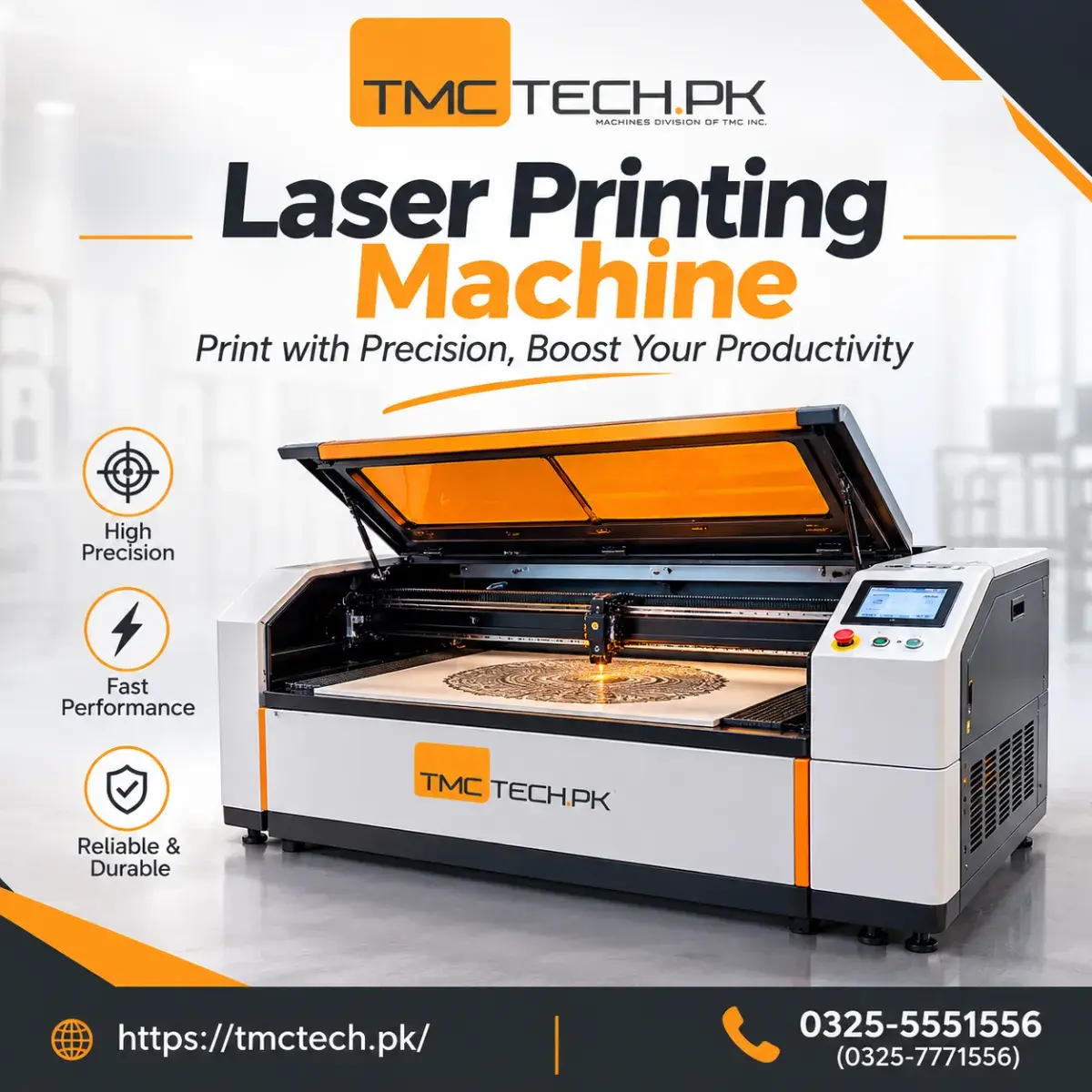
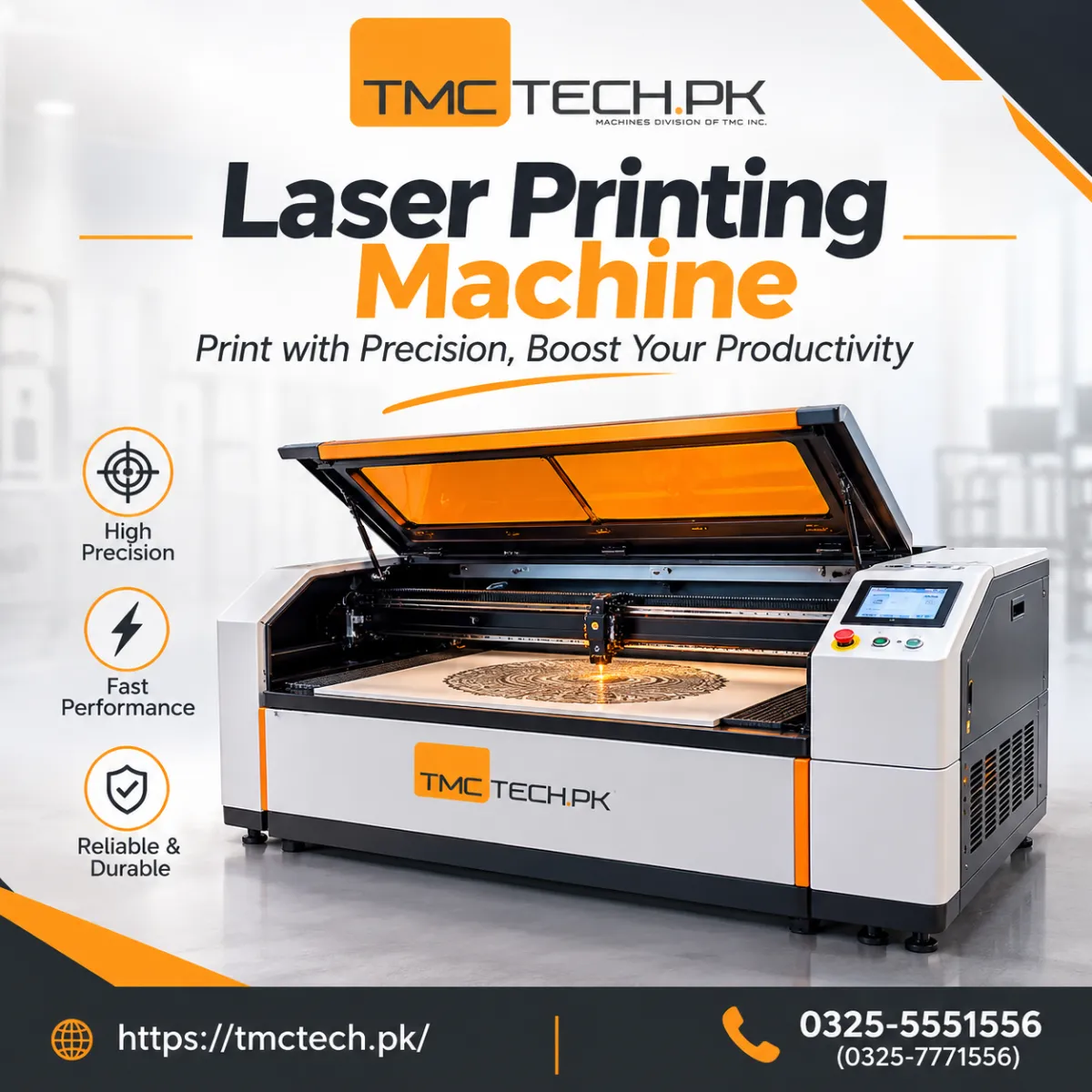
Modern businesses are constantly looking for better ways to improve product quality, increase productivity, and create customized products. Printing and customization technologies have become essential for businesses working in advertising, apparel, promotional products, packaging, and manufacturing. Among the useful technologies available today, a heat machine and a laser printing machine play important roles in different production processes.
Both machines offer practical solutions for businesses that want consistent results and greater control over their work. While heat-based equipment is commonly used for transferring designs onto different materials, laser printing technology supports detailed marking, printing, and customization applications.
What Is a Heat Machine and How Does It Work?
A heat machine is equipment that uses controlled temperature and pressure to transfer designs, graphics, or other materials onto a selected surface. It is widely used in the printing and customization industry, especially for working with fabrics and promotional products.
The machine applies heat for a specific duration to help transfer the design properly. Depending on the equipment and application, different materials can be used to achieve the desired output.
Common Applications of a Heat Machine
Heat-based equipment supports various customization tasks, including:
Printing logos and graphics on T-shirts and garments.
Customizing caps, bags, and fabric accessories.
Creating personalized promotional products.
Transferring designs onto suitable flat surfaces.
Producing customized merchandise for businesses.
Why Is Heat Press Technology Useful?
Heat press technology provides businesses with greater flexibility when handling customized orders. Operators can work with different designs and materials while maintaining control over temperature, pressure, and application time.
Some important benefits include:
Consistent Results: Controlled heat and pressure help achieve uniform transfers.
Design Flexibility: Businesses can work with different graphics and customization requirements.
Production Efficiency: Suitable equipment can simplify repetitive printing tasks.
Creative Opportunities: Businesses can expand their product customization services.
How Does a Laser Printing Machine Support Modern Production?
A laser printing machine uses laser-based technology to create detailed marks, graphics, or printed outputs, depending on the machine type and its intended application.
Laser technology is valued for its accuracy and ability to handle detailed designs. Different laser systems are developed for specific materials and production requirements, making them useful across several industries.
Businesses should understand the difference between laser marking, laser engraving, and laser-based printing before selecting equipment. Each process serves a different purpose and offers specific capabilities.
Applications of Laser Printing Technology
A laser printing machine can support various industrial and commercial applications, such as:
Creating identification marks on compatible materials.
Printing or marking product information.
Customizing selected promotional items.
Producing detailed logos and branding elements.
Supporting manufacturing and product identification processes.
Key Advantages of Laser Technology
Laser-based equipment offers several useful features for businesses that require accuracy and repeatability.
1. Detailed Output
Laser technology can produce fine details and precise markings when configured correctly for the material and application.
2. Repeatable Results
Digital control helps operators reproduce designs and markings across multiple products.
3. Versatile Applications
Different laser systems can work with compatible materials used in manufacturing, branding, and customization.
4. Professional Finishing
Laser marking and engraving can create clean, permanent results on suitable surfaces without relying on conventional printing methods.
Heat Machine vs. Laser Printing Machine: What Is the Difference?
Although both machines support product customization and production, their working methods and applications are different.
Here are some important distinctions:
Working Process: A heat machine uses temperature and pressure, while laser equipment uses a focused laser beam.
Main Purpose: Heat machines are commonly used for transferring designs, whereas laser systems are suitable for marking, engraving, or specific printing applications.
Material Compatibility: Heat transfer depends on suitable transfer materials and surfaces. Laser applications depend on the laser type and material properties.
Production Requirements: Heat machines are useful for customized merchandise, while laser equipment supports applications that require detailed and precise markings.
Understanding these differences helps businesses choose equipment according to their actual production needs.
What Should You Consider Before Choosing Printing Equipment?
Selecting the right machine requires more than comparing technical specifications. Businesses should evaluate their production goals, working materials, and operational requirements.
Consider these factors before making a decision:
1. Identify Your Business Requirements
Determine what products you want to customize or manufacture. A business focused on garment printing may require different equipment from a company producing industrial product markings.
2. Check Material Compatibility
Always confirm whether the equipment supports the materials you intend to use. Compatibility directly affects the quality and reliability of the final output.
3. Understand Machine Specifications
Review important specifications such as working area, operating temperature, laser power, supported file formats, and control systems, depending on the machine type.
4. Consider Production Volume
Small businesses and large manufacturing operations may have different equipment requirements. Choose machinery that can support your expected workload without unnecessary complexity.
5. Look for Technical Support
Proper installation, operator training, maintenance guidance, and after-sales technical assistance can make equipment easier to manage over time.
How Can Modern Printing Machines Help Businesses Grow?
Printing and customization equipment can help businesses introduce new services and improve their production capabilities.
A suitable heat machine allows businesses to explore personalized garments and promotional merchandise. Similarly, a laser printing machine can support product identification, branding, and precision-based applications.
These technologies can contribute to business growth in several ways:
Expanding the range of products and services.
Improving consistency in repetitive production tasks.
Supporting customized customer requirements.
Reducing dependence on certain manual processes.
Creating opportunities in different commercial industries.
However, achieving good results also depends on operator knowledge, correct machine settings, material selection, and regular maintenance.
Why Choose TMC Tech for Printing and Cutting Solutions?
Finding suitable equipment is an important step for businesses entering or expanding within the printing and manufacturing industry. TMC Tech provides machinery and equipment solutions designed to support different commercial and creative applications.
Through its range of printing, cutting, engraving, and heat transfer equipment, TMC Tech helps businesses explore practical solutions for their operational requirements.
Whether a business needs equipment for customized merchandise, laser-based applications, or production-related tasks, understanding the available technologies can make the selection process easier.
Conclusion
A heat machine and a laser printing machine serve different but valuable purposes in modern production. Heat-based equipment supports design transfers and customized merchandise, while laser technology offers precision for marking, engraving, and compatible printing applications.
Choosing the right equipment depends on business requirements, material compatibility, production capacity, and the intended application. With proper equipment and technical knowledge, businesses can improve their production processes and explore new opportunities in the growing customization and manufacturing industries.
Join the conversation
Discussion0
Join the conversation. Sign in to leave a response or reply to comments.