Introduction
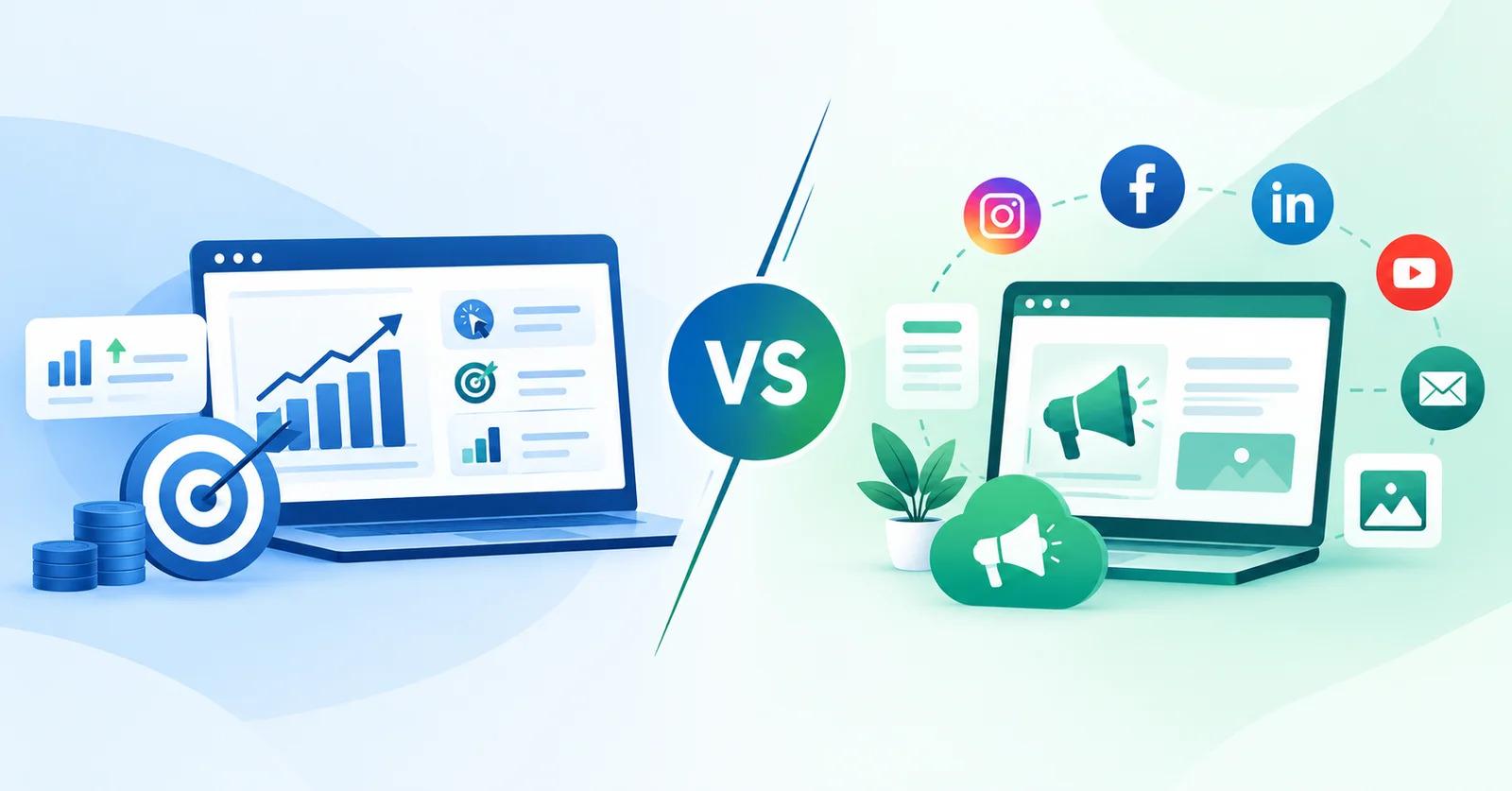
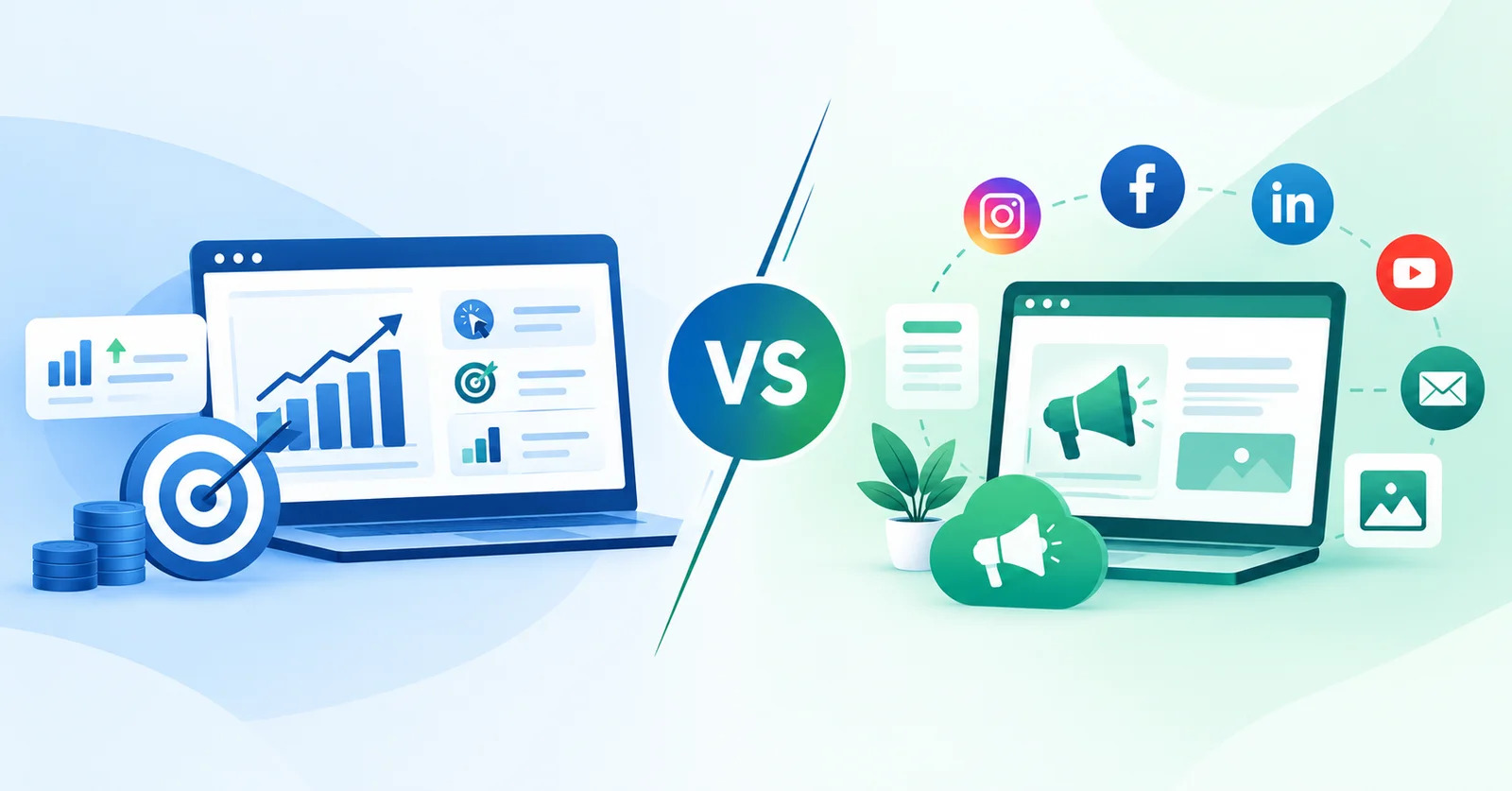
When businesses plan to grow online, they often come across two terms: performance marketing and digital marketing. Although they are closely connected, they do not mean exactly the same thing. Understanding performance marketing vs. digital marketing can help you decide where to invest your marketing budget and what strategies will support your business goals.
Digital marketing covers a wide range of online activities, from improving search engine rankings to building a social media presence. Performance marketing, on the other hand, focuses more on measurable actions such as clicks, leads, sales, and conversions. Let's look at five key facts that make these approaches different.
1. Their Overall Scope Is Different
Digital marketing is a broad approach that includes almost every activity used to promote a business online. It helps brands build awareness, connect with potential customers, and maintain a strong online presence.
Some common digital marketing activities include:
Search engine optimization (SEO)
Social media marketing
Content marketing
Email marketing
Search engine advertising
Website development and optimization
Performance marketing is more focused on campaigns where results can be tracked and measured. Businesses use it to generate specific outcomes, such as website inquiries. app downloads, purchases, or qualified leads.
2. The Payment Approach Is Different
One important difference in performance marketing vs. digital marketing is how campaigns are planned and paid for.
Digital marketing may involve fixed monthly fees, project-based payments, content creation costs, or advertising budgets. For example, a business might hire an agency to manage its SEO and social media accounts every month.
Performance marketing often uses measurable pricing models. Depending on the campaign, businesses may pay based on clicks, impressions, leads, or completed actions. Common models include:
Cost Per Click (CPC)
Cost Per Lead (CPL)
Cost Per Acquisition (CPA)
Cost Per Thousand Impressions (CPM)
The payment model depends on the platform, campaign objective, and agreement between the business and service provider.
3. Their Main Goals Are Not Always the Same
Digital marketing can support several long-term business goals. These include building brand awareness, improving online visibility, increasing website traffic, and developing customer relationships.
Performance marketing usually focuses on achieving specific, measurable results within a campaign. For example, an e-commerce business may run paid advertisements to increase product purchases, while a local service provider may focus on generating appointment inquiries.
Both approaches can help businesses grow, but their priorities may differ depending on the marketing objective.
4. They Use Different Strategies and Channels
Digital marketing uses a combination of organic and paid strategies. SEO, blogging, social media content, email campaigns, and paid advertisements all come under its wider scope.
Performance marketing commonly uses channels and campaign formats that allow advertisers to track user actions. These may include:
Google Ads and search campaigns
Paid social media advertisements
Affiliate marketing
Display advertising
Retargeting campaigns
However, the channels can overlap. Google Ads and social media advertising can be part of both digital marketing and performance marketing. The main difference is how the campaign is planned, measured, and optimized.
5. Measuring Success Works Differently
Measurement is another important part of performance marketing vs. digital marketing.
Digital marketing performance is measured using several indicators, depending on the strategy. For example, SEO campaigns may track keyword rankings, organic traffic, and website engagement. Social media campaigns may measure reach, engagement, and audience growth.
Performance marketing places greater emphasis on direct campaign results, such as:
Number of leads generated
Cost per lead or acquisition
Conversion rate
Return on ad spend (ROAS)
Total sales or purchases
These numbers help businesses understand which campaigns are delivering results and where improvements are needed.
A Simple Example: How Do They Work Together?
Imagine a company that sells skincare products online. Its digital marketing strategy may include publishing skincare blogs, improving product-page SEO, sharing content on Instagram, and building an email subscriber list.
At the same time, the company may run performance marketing campaigns through Google Ads and Meta Ads to encourage people to purchase specific products.
The first approach helps build visibility and customer trust over time, while the second focuses on measurable campaign outcomes. Using both together can create a more balanced marketing strategy.
Which Approach Should Your Business Choose?
The right choice depends on what your business wants to achieve.
Choose a broader digital marketing strategy when you want to improve online visibility, build brand recognition, attract organic traffic, and connect with customers over the long term.
Consider performance marketing when you have a specific campaign goal, such as generating leads, increasing sales, or bringing more visitors to a landing page. You should also have a way to track conversions and evaluate campaign costs.
For many businesses, combining both approaches is a practical option. Digital marketing builds a strong online foundation, while performance marketing helps target and measure specific outcomes.

Join the conversation
Discussion0
Join the conversation. Sign in to leave a response or reply to comments.