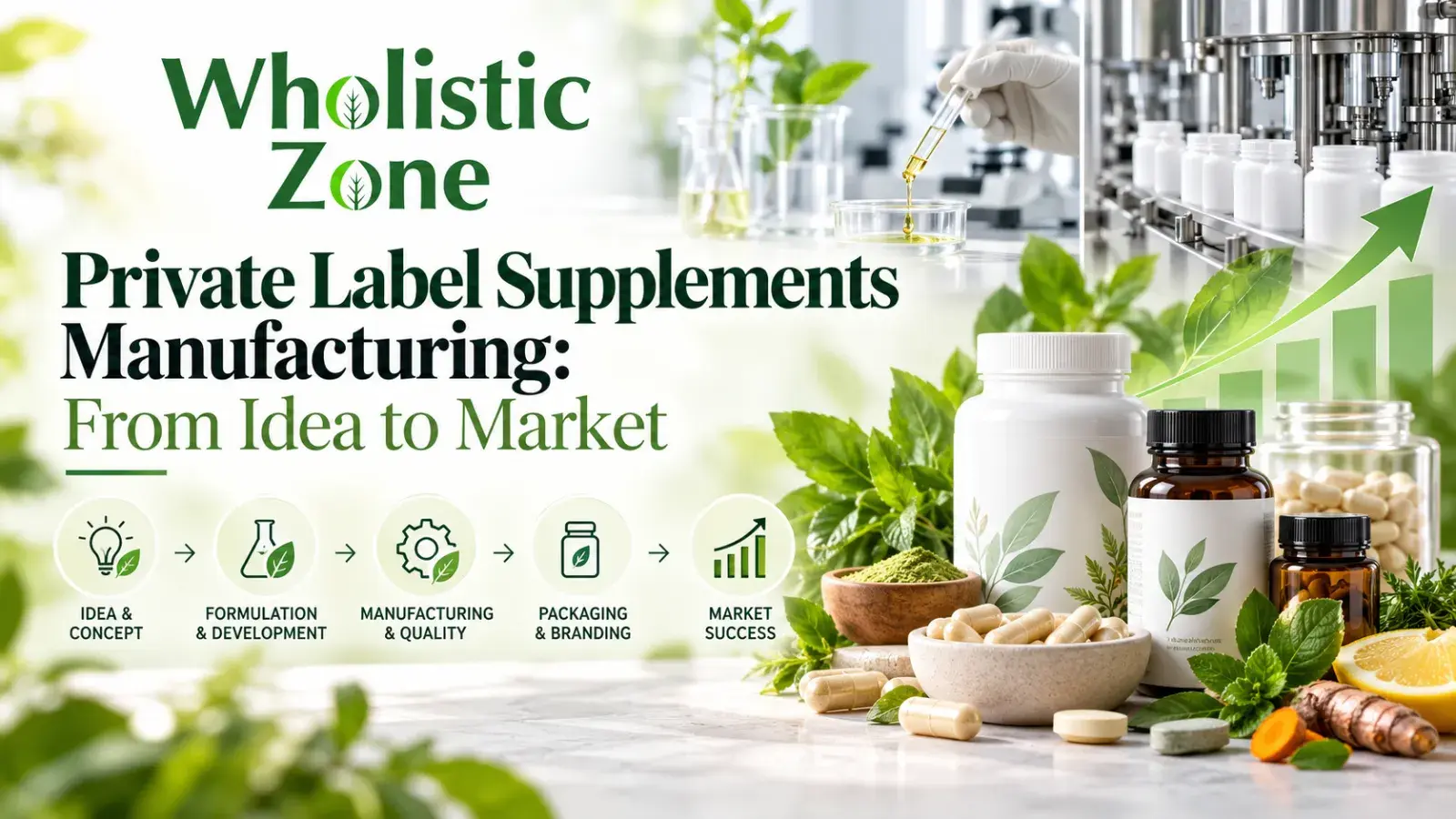
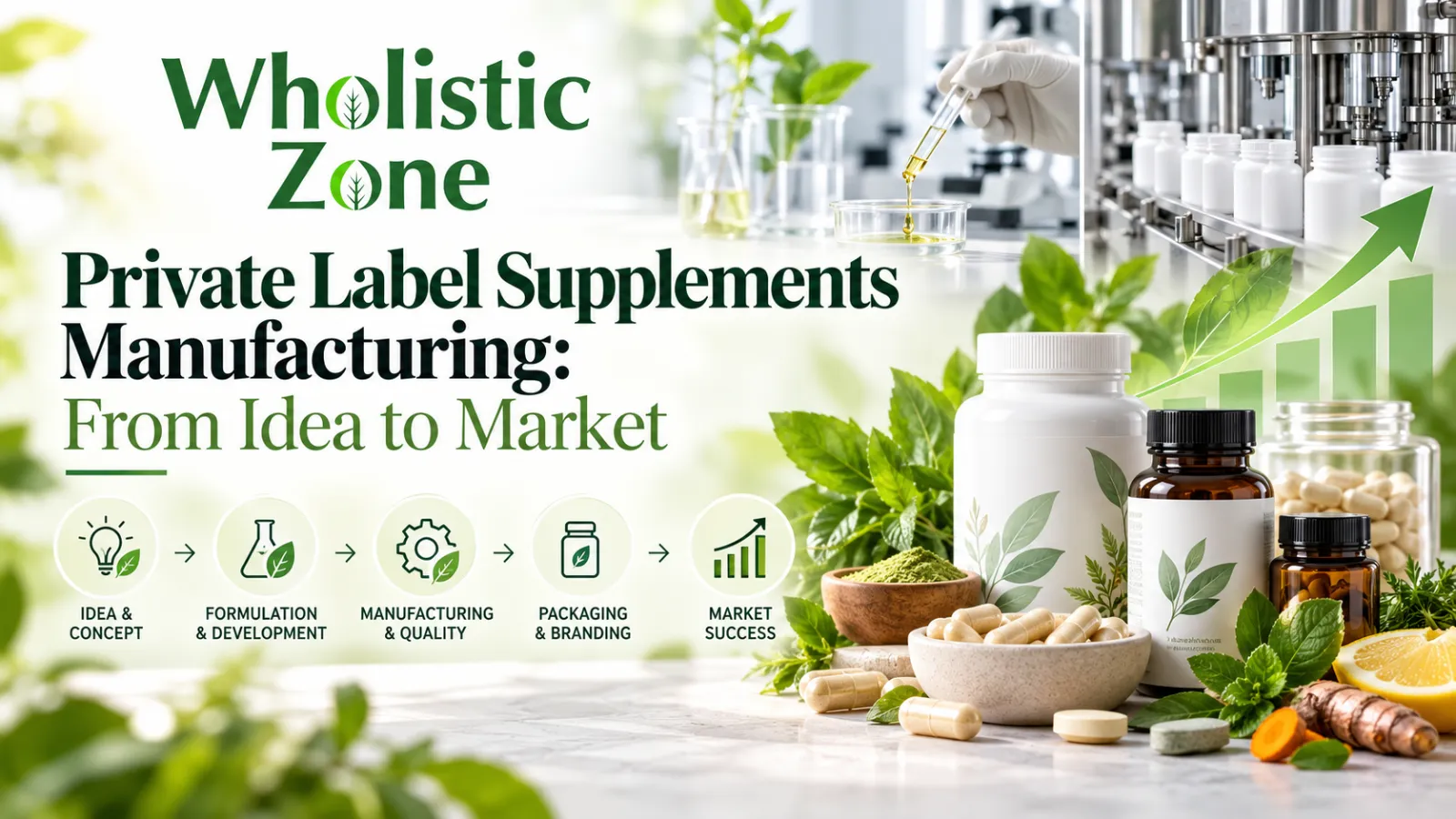
Launching a supplement brand starts with an idea, but success depends on the decisions made before the first bottle ships. Private Label Supplements Manufacturing helps entrepreneurs bring products to market without building their own factory. Simplification of operations without losing brand identity. Here is a practical roadmap from your first concept to a confident launch.
What Is Private Label Supplements Manufacturing?
In this business model, a specialist produces supplements that another company sells under its own name. Brands can choose existing formulations or commission custom development. Common formats include capsules, powders, gummies, and herbal blends. Brands still oversee positioning and compliance. Successful private label supplements require more than an attractive label; they need a clear product promise supported by consistent quality.
Define Your Audience Before Your Formula
Begin with the customer rather than an ingredient trend. Identify a specific audience, purchasing motivation, preferred format, and realistic price range. Someone who wants a convenient capsule may have different needs from a customer who enjoys mixing greens into smoothies. Study competitor labels and reviews to spot gaps. Choose one focused product concept and write a brief explaining who it serves, how it fits their routine, and why they should choose your brand. This brief improves manufacturer discussions.
Choose Stock or Custom Formulation
Stock formulations offer a faster starting point because the core recipe already exists. Custom formulations offer ingredient flexibility but require more development and testing. Neither route guarantees exclusivity. If a unique formula matters, establish ownership and confidentiality terms in writing. Ask for ingredient specifications, allergen details, and stability information. Resist the temptation to add numerous trendy ingredients; every addition can increase cost, complexity, and labeling responsibilities without improving the customer experience.
Compare Capsules Manufacturing and Powder Manufacturing
Capsules manufacturing works well for botanical extracts, vitamins, and formulas intended for convenient, premeasured servings. Important decisions include capsule material, fill capacity, ingredient compatibility, and packaging protection. Ask how blending consistency and fill weights are monitored.
Powder manufacturing suits greens blends, protein products, and drink mixes. Here, taste, texture, moisture control, and mixing performance can strongly influence repeat purchases. Request samples to assess flavor and how easily the powder disperses. Choose the format customers will use consistently.
Evaluate Your Private Label Manufacturing Partner
Compare manufacturers using evidence, not promotional claims alone. Ask which formats they produce, what work they subcontract, and how they document quality checks. Request realistic minimum order quantities, lead times, sample policies, and examples of available packaging. Clarify who approves artwork, purchases ingredients, manages testing, and handles rejected batches. Quality private label manufacturing requires proper accountability and communication. Unexpected fees and delays can undermine a low quote.
Calculate the Real Cost of Launching
Your production quote is only one part of your budget. Include formulation fees, samples, laboratory work, labels, containers, shipping, storage, website costs, and marketing. Minimum order quantity, or MOQ, determines your initial inventory commitment. Calculate landed cost per unit, then compare that amount with your intended retail price and sales-channel fees. Leave room for returns, promotions, and future reorders. A pilot run can validate demand.
Make Quality and Compliance Nonnegotiable
For dietary supplements sold in the United States, manufacturing must follow applicable FDA current Good Manufacturing Practice requirements under 21 CFR Part 111. Ask how your partner verifies ingredient identity, establishes specifications, maintains batch records, and determines when products can be released. Product-specific risks may also require testing for contaminants or other quality attributes. Review Supplement Facts, ingredient lists, allergen information, and business details carefully. Marketing of health products should be truthful and properly substantiated; there can be no claims about supplements curing illnesses. Obtain qualified regulatory review before publication, especially when developing custom products or selling internationally.
Design Packaging That Earns Trust
Packaging should protect product quality while making essential information easy to find. Choose containers suited to moisture, light exposure, serving size, and distribution conditions. Develop consistent colors, typography, and product naming, but prioritize legibility over decoration. Clear labels guide customers. Confirm final artwork against the approved formulation before printing; changing a label after production can become expensive.
Approve Samples Before Production
Treat sampling as a decision point rather than a formality. Examine capsules for appearance and usability; evaluate powders for flavor, texture, and mixability. Confirm manufacturing consistency. Sign off on specifications, packaging components, label artwork, and the testing plan. Establish milestones for production, quality review, and dispatch. Documenting approvals reduces ambiguity when multiple teams are involved.
How Wholistic Zone Supports Supplement Brands
Wholistic Zone presents itself as a B2B private-label and contract manufacturing partner for wellness businesses. Its website describes capsule and powder manufacturing, stock and custom formulations, branding, labeling, packaging, and fulfillment support. It also promotes flexible MOQs, although exact minimums depend on project requirements. These services can simplify coordination. Brands should also confirm which services are performed directly or through partners, and request documentation for the specific manufacturing location. Before committing, share your product brief, request a written quotation, verify relevant quality documents, and agree on deliverables and timelines.
Launch, Measure, and Improve
Build product pages that explain ingredients and serving information without exaggerated claims. Use educational blog posts, email, and search optimization to answer genuine customer questions. Before launch, test the purchasing experience: carefully review mobile checkout, delivery information, customer support responses, and the clarity of product instructions. Track conversion rates, product feedback, inventory levels, and reorder timing.Feedback can provide preferred styles of communication. Improve the first product before extending the range. Thoughtful growth is more sustainable than launching a large catalog without proof of demand.
Final Thoughts
Moving from idea to market takes planning, dependable manufacturing, and disciplined review. With the right formulation, realistic budget, compliant messaging, and reliable partners, Private Label Supplements Manufacturing can become a manageable path to brand ownership. Start with one clearly defined product, document each decision, and build customer trust one batch at a time.


Join the conversation
Discussion0
Join the conversation. Sign in to leave a response or reply to comments.