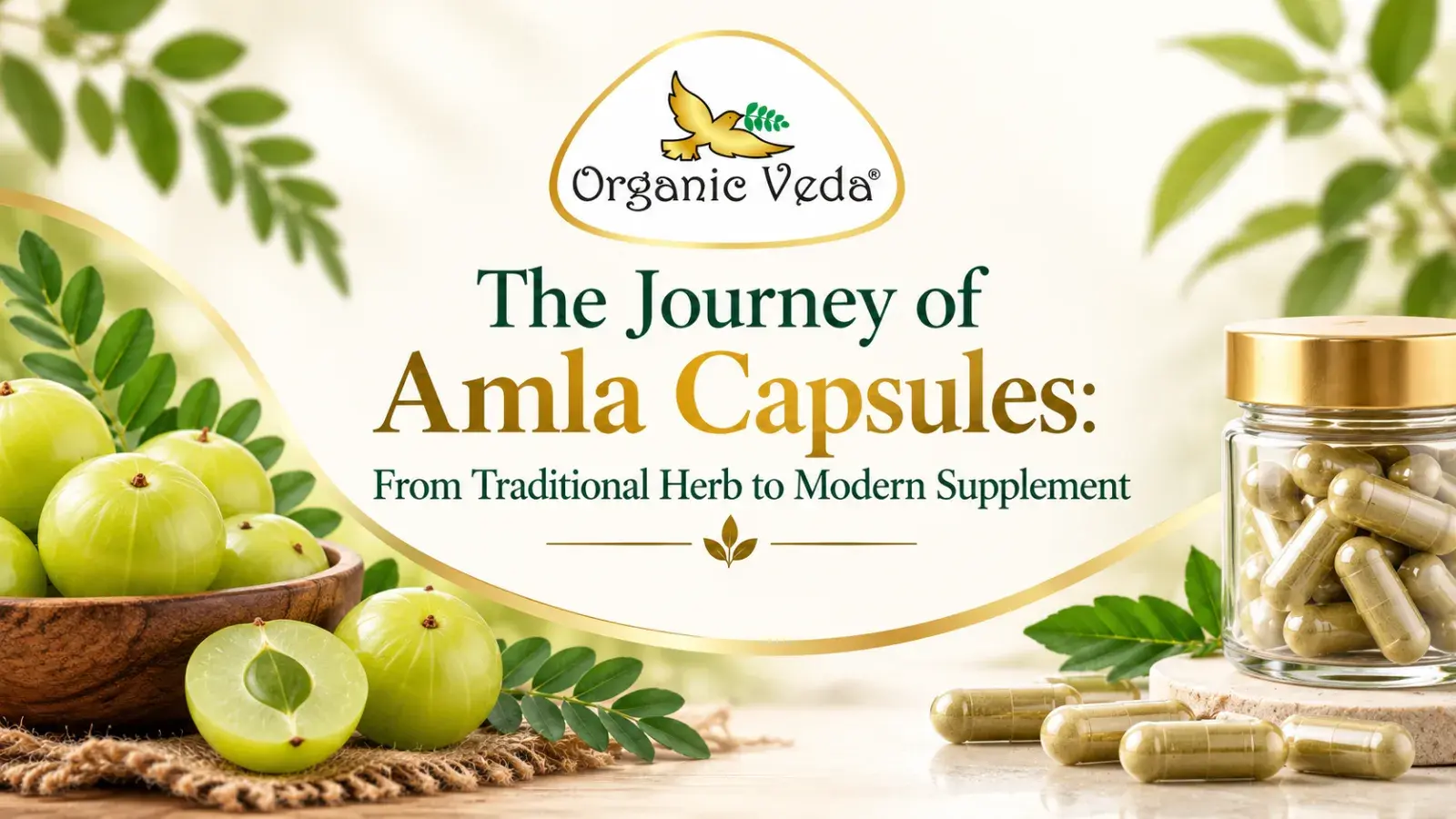
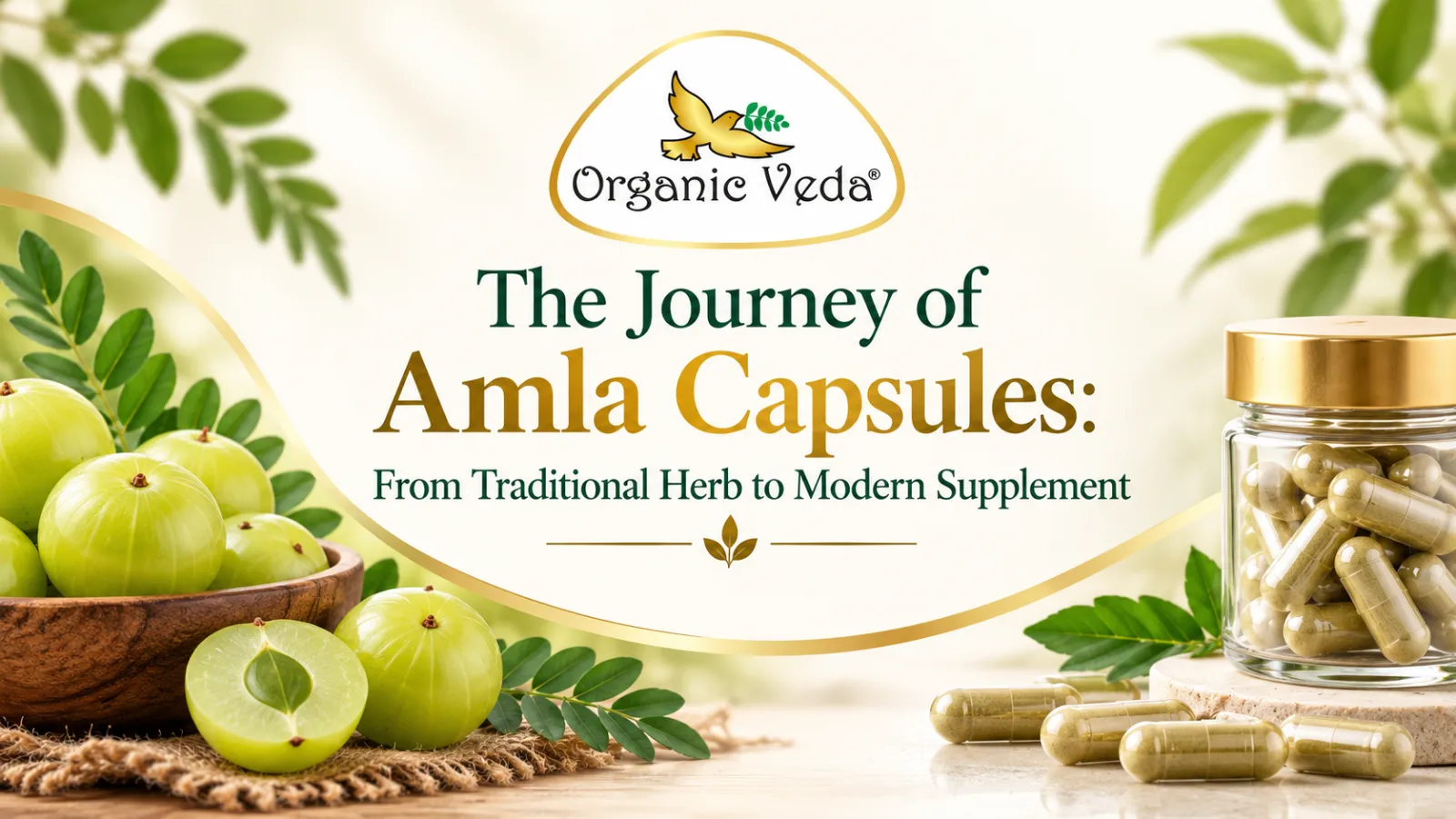
Nature has always been an integral part of conventional health care approaches. Among the many fruits valued for their nutritional properties, amla holds a special place. Known as Indian gooseberry, this small green fruit has been part of Indian households and Ayurvedic traditions for generations. Today, its journey continues in a more convenient form through amla capsules, bringing a familiar botanical ingredient into modern supplement routines.
But how did a fruit traditionally consumed fresh, dried, or powdered become a popular ingredient in wellness supplements? Let us examine the fascinating transformation of amla, from its origins in its culture to its growing popularity in modern health supplements.
Amla: A Fruit Rooted in Ancient Traditions
Long before nutritional supplements became popular, amla was widely recognised in Ayurveda for its traditional uses. Botanically known as Phyllanthus emblica, this fruit has a distinctive sour taste and an important place in Indian food culture.
Historically, people consumed amla in several forms, including fresh fruit, homemade preparations, juices, and herbal combinations. It is also a well-known ingredient in traditional Ayurvedic formulations such as Triphala and Chyawanprash.
In Ayurveda, amla is associated with the concept of Rasayana, which focuses on rejuvenation and overall well-being. These traditional beliefs helped establish the fruit's lasting reputation.
What makes its story interesting is how an ingredient valued for centuries has gradually adapted to changing consumer preferences without losing its cultural identity.
From Fresh Fruit to Amla Powder: The First Transformation
Fresh amla has a strong, tangy flavour that may not appeal to everyone. Its seasonal availability and limited storage life can also make regular consumption inconvenient.
Traditional drying techniques offered a practical solution. By removing moisture from the fruit, people could preserve it for longer periods and use it beyond the harvesting season.
The process finally led to the popularity of amla powder that could either be mixed with water or used in traditional formulations.
In modern times, powders can be produced through a process that controls the drying and grinding of materials.
However, processing conditions matter. Exposure to excessive heat, moisture, and air can influence the nutritional composition of the finished ingredient.
This evolution from fresh fruit to dried powder marked an important step toward the development of modern amla-based supplements.
The Emergence of Amla Extract
As food processing technology advanced, manufacturers began exploring methods to obtain selected compounds from botanical ingredients.
This development introduced amla extract as another option for supplement formulations.
Unlike basic fruit powder, extracts are produced using specialised processes that separate and concentrate certain components of the original plant material.
Amla naturally contains vitamin C and various plant compounds, including polyphenols and tannins, which have attracted scientific interest because of their antioxidant activity.
Some extracts are standardised to specific compounds, helping manufacturers maintain consistency between batches.
Not all extracts have the same strength or consistency. Extraction methods, processing conditions, and ingredient quality can significantly influence the final product.
These developments created new possibilities for incorporating amla into convenient supplement formats.
How Amla Capsules Became a Modern Wellness Option
Modern lifestyles have changed the way people approach daily wellness. Busy schedules, travel, and changing dietary habits have increased interest in supplements that are easy to store and consume.
This is where amla capsules gained relevance.
Instead of preparing fresh fruit or measuring powder, consumers can choose a pre-measured capsule according to the manufacturer's instructions.
Capsule formulations may contain dried amla fruit powder, an extract, or a combination of botanical ingredients.
The appeal lies primarily in their convenience. Capsules require little preparation, are portable, and can fit into different daily routines.
For people who dislike the fruit's sour taste, capsules also offer an alternative without the need to mix or flavour the ingredient.
Still, convenience does not automatically mean better nutritional value. The quality and composition of the supplement remain important considerations.
Understanding Amla Extract Capsules and Their Formulation
One significant development in the supplement industry is the availability of amla extract capsules.
These products generally contain extracted components rather than simply ground whole fruit.
Depending on the formulation, manufacturers may focus on particular plant compounds or use standardised botanical extracts.
The amount of extract listed on a label should not be confused with the quantity of fresh fruit used during manufacturing.
A concentrated extract and a whole-fruit powder are different preparations, and neither is automatically superior.
Consumers should examine the actual ingredient quantity, standardisation information, recommended serving size, and any additional ingredients before choosing a product.
Understanding these details helps distinguish meaningful product information from attractive packaging claims.
The Role of Modern Science in Amla's Journey
Scientific research has added another dimension to the traditional understanding of amla.
Researchers have investigated its antioxidant compounds, nutritional composition, and possible effects on different aspects of human health.
Laboratory investigations and some human studies have produced promising findings, particularly regarding antioxidant activity and certain metabolic markers.
Nevertheless, further well-designed human research is needed to establish specific health benefits, appropriate dosages, and long-term safety for individual supplement formulations.
Research involving fresh fruit or a particular extract also cannot automatically be applied to every commercially available capsule.
This distinction is important because responsible wellness choices should consider both traditional knowledge and the strength of modern scientific evidence.
A Traditional Ingredient With a Modern Identity
The story of amla reflects the changing relationship between traditional plant ingredients and contemporary lifestyles.
What began as a familiar fruit in Indian households gradually evolved through drying, powder preparation, extraction technology, and modern capsule manufacturing.
Each stage introduced new ways to preserve, prepare, and consume this valued botanical ingredient.
Today, amla capsules represent one part of that continuing evolution, offering convenience while maintaining a connection to the fruit's long history.
The most meaningful aspect of this journey is not simply the development of another supplement. It is the way traditional knowledge, manufacturing innovation, and scientific curiosity have brought renewed attention to an ingredient that generations already knew.
As interest in botanical wellness continues, amla's story reminds us that sometimes modern innovation begins with something deeply rooted in tradition.




Join the conversation
Discussion0
Join the conversation. Sign in to leave a response or reply to comments.