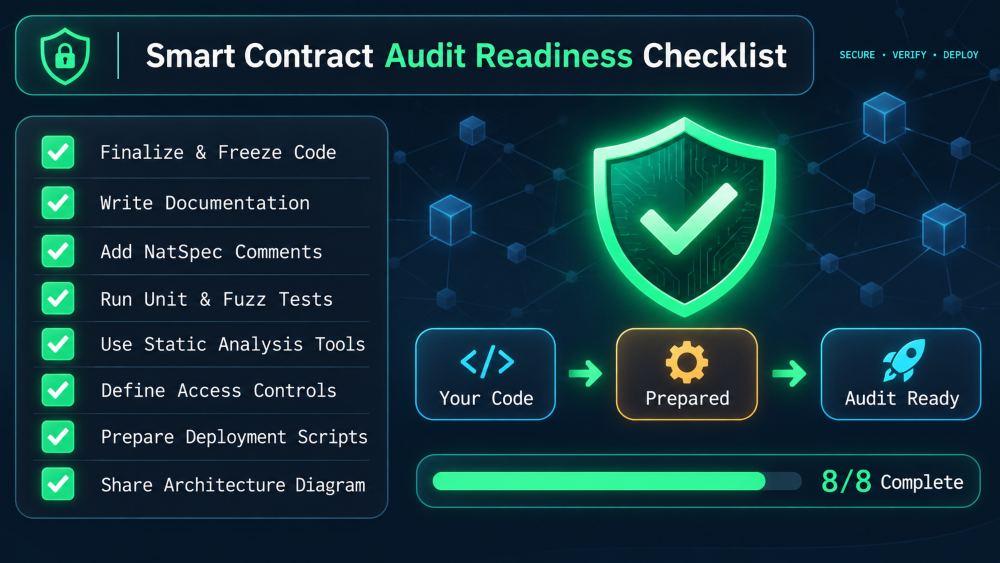
Blockchain technology is transforming the digital economy through decentralized finance (DeFi), NFTs, tokenization, and Web3 applications. Smart contracts make these innovations possible by executing transactions and business logic automatically. However, a single coding error or security weakness can expose digital assets and compromise an entire blockchain project.
Unlike traditional software, deployed smart contracts can be difficult to modify. This makes security testing before deployment an essential step for developers, startups, and blockchain enterprises.
Professional smart contract auditing services help organizations identify vulnerabilities, evaluate attack scenarios, and strengthen contract security before their applications go live.
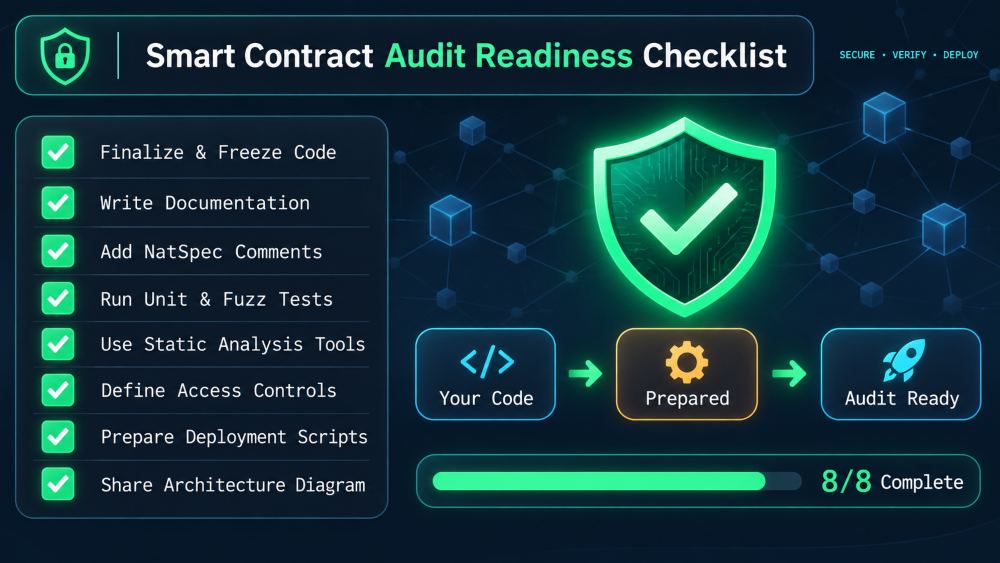
What Is Smart Contract Auditing?
Smart contract auditing is a technical security review of blockchain-based code designed to identify vulnerabilities, logic errors, and potential exploitation opportunities.
A comprehensive audit examines how contracts manage transactions, permissions, assets, and interactions with external protocols. It combines automated analysis with expert manual code review to investigate security weaknesses that may affect contract functionality.
Common vulnerabilities include:
Reentrancy attacks
Access control weaknesses
Integer overflow and underflow
Oracle manipulation
Flash loan attack vectors
Front-running and MEV risks
Business logic vulnerabilities
Upgradeability and proxy issues
For blockchain projects managing financial transactions or digital assets, these security reviews can play an important role in reducing exposure to potential exploits.
Learn more about Femto Security Smart Contract Auditing Services.
Why Smart Contract Audits Matter for Web3 Businesses
Protect Digital Assets
Smart contracts frequently control token transfers, liquidity pools, staking mechanisms, and decentralized financial operations. Vulnerabilities in these functions may create opportunities for unauthorized withdrawals or manipulation.
A security audit helps developers understand how potential weaknesses could affect their protocol and its assets.
Identify Security Issues Before Deployment
Discovering vulnerabilities during development can make remediation more manageable than addressing them after deployment.
Security reviews allow developers to investigate suspicious code, validate contract behavior, and resolve identified issues before launching their applications.
Improve Protocol Reliability
Smart contracts must behave correctly under normal and unexpected conditions. Auditors examine business logic, transaction handling, and interactions between different contract components to identify unintended behavior.
Strengthen User Confidence
Security-conscious development demonstrates a commitment to protecting users and their digital assets. Independent audit reports provide transparency into the assessment process and documented findings.
An audit does not guarantee complete security, but it can help establish stronger security practices and accountability.
How Does a Smart Contract Security Audit Work?
A professional smart contract audit follows a structured methodology.
1. Scoping and Planning
Auditors understand the protocol architecture, contract functionality, integrations, and critical components included in the assessment.
2. Automated Security Analysis
Automated tools identify common vulnerability patterns and suspicious code structures. Static analysis and fuzz testing help explore potential weaknesses.
3. Expert Manual Code Review
Auditors examine contract logic, access permissions, financial calculations, and interactions with external systems.
Manual analysis is particularly valuable for uncovering complex business logic flaws and attack paths that automated tools may overlook.
4. Proof-of-Concept Exploit Testing
For significant findings, auditors may develop controlled proof-of-concept exploits to demonstrate potential vulnerability impact.
5. Reporting and Remediation
The audit report documents vulnerabilities, severity levels, technical details, and recommended remediation steps.
6. Fix Verification
After developers implement corrections, auditors review the changes to confirm that identified issues have been appropriately addressed.
Smart Contract Auditing vs. Penetration Testing
Smart contract audits and penetration testing serve complementary security purposes.
A smart contract audit focuses on blockchain code, contract logic, permissions, and protocol-specific vulnerabilities.
Penetration testing evaluates applications, APIs, networks, and infrastructure through controlled attack simulations.
For broader application and infrastructure protection, explore Penetration Testing Services.
Organizations can also use Vulnerability Assessment Services to identify and prioritize security weaknesses across their IT environments.
Combining these security activities helps organizations understand risks across both on-chain and off-chain systems.
Which Blockchain Projects Need Smart Contract Auditing?
Smart contract security is important for a wide range of blockchain applications, including:
Decentralized finance protocols
NFT marketplaces and collections
Token creation and distribution platforms
Decentralized exchanges
Staking and yield farming applications
Blockchain gaming projects
DAO governance systems
Web3 infrastructure applications
Different blockchain platforms and programming languages introduce unique security considerations.
Femto Security supports auditing across ecosystems such as Ethereum, Solana, Polygon, Arbitrum, BNB Smart Chain, and Avalanche, with expertise in Solidity, Rust, Vyper, and Move.
Strengthen Your Blockchain Security with Femto Security
Choosing the right security partner is an important part of building a resilient blockchain application.
Femto Security provides professional smart contract auditing services that combine automated static analysis, expert manual code reviews, and proof-of-concept exploit development.
The assessment covers major vulnerability classes, including reentrancy, access control flaws, integer overflow and underflow, oracle manipulation, flash loan attacks, front-running, logic errors, and upgradeability issues.
Development teams receive detailed audit findings, remediation recommendations, and fix verification support to help address security weaknesses.
For projects preparing to deploy new contracts or upgrade existing protocols, a professional audit can provide valuable insight into potential risks.
Explore the complete service: Smart Contract Auditing by Femto Security.
Conclusion
Smart contract security is a fundamental requirement for building reliable blockchain applications. Coding mistakes, business logic flaws, and insecure permissions can create significant risks for decentralized protocols and digital assets.
Professional smart contract auditing helps developers identify vulnerabilities, evaluate potential attack paths, and improve security before deployment.
Whether you are launching a DeFi platform, NFT marketplace, token contract, or Web3 application, investing in security reviews can support a stronger development process.
Secure your blockchain code before deployment. Partner with Femto Security for expert smart contract auditing and build with greater confidence.

Join the conversation
Discussion0
Join the conversation. Sign in to leave a response or reply to comments.