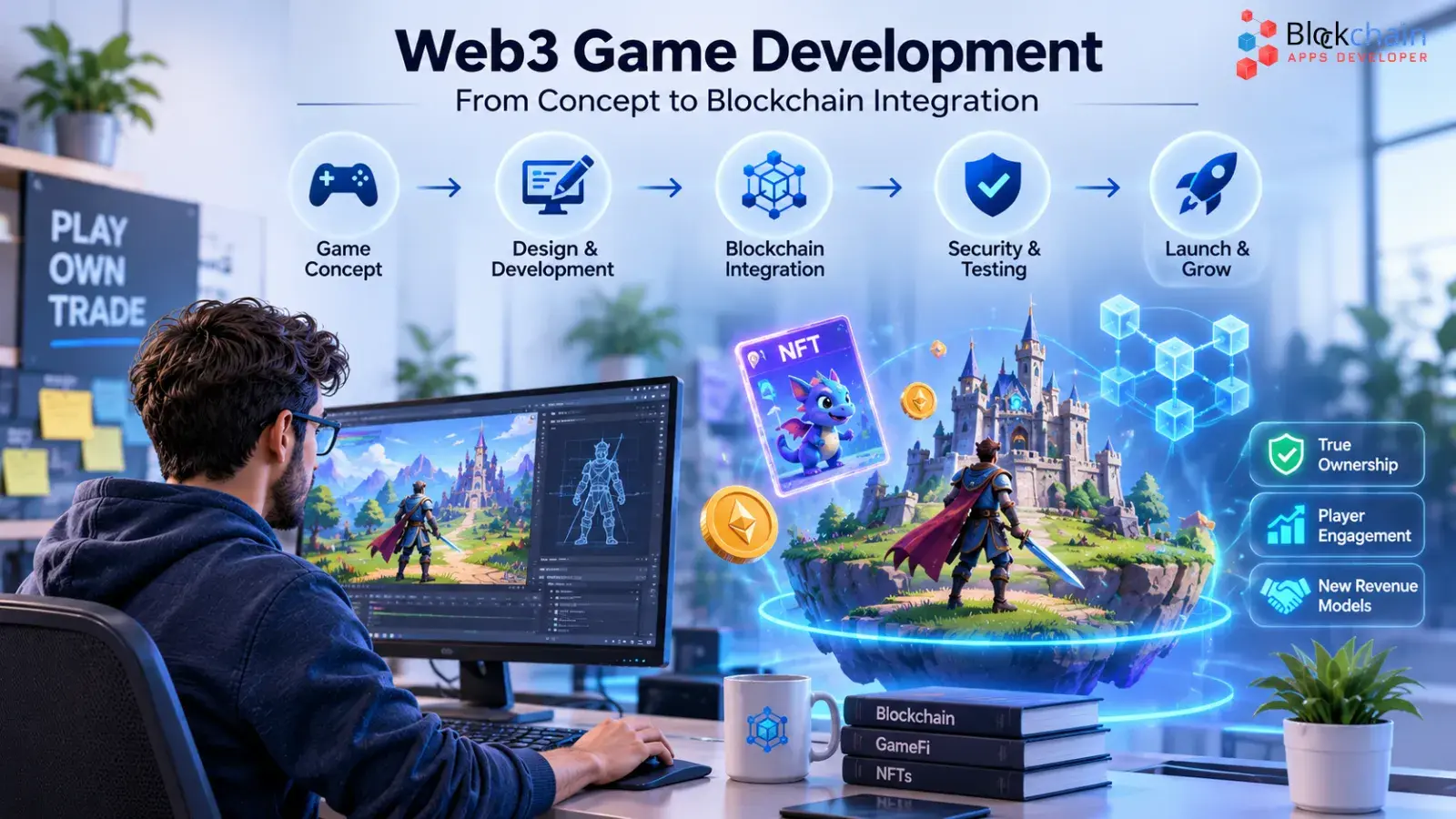
The gaming industry is moving beyond traditional development models. Players increasingly expect interactive experiences where they can own digital assets, participate in virtual economies, and have greater control over their in-game achievements. This shift has encouraged gaming studios to explore Web3 game development as a way to introduce new features and business opportunities.
However, building a successful Web3 game involves much more than adding blockchain technology to an existing game. Studios need to consider gameplay, user experience, blockchain architecture, asset ownership, and the economic model before moving into production.
A well-planned development strategy helps studios introduce decentralized features without affecting the core gaming experience. Whether the goal is to create an NFT-based game, a GameFi platform, or a blockchain-powered multiplayer environment, every technical decision should support the overall product vision.
Key Takeaways
Web3 game development should begin with a clear game concept, target audience, and business model.
Blockchain integration must complement gameplay rather than become the main reason players participate.
NFT ownership and token functionality can introduce new opportunities for in-game economies.
Smart contract security, wallet integration, and transaction performance require careful planning.
Sustainable tokenomics can help maintain a balanced gaming economy and long-term player engagement.
Community building, regular updates, and post-launch improvements are essential for growth.
Table of Contents
Understanding the Web3 Game Development Opportunity
Turning a Game Concept into a Development Strategy
Choosing the Right Blockchain Architecture
Integrating NFTs and Digital Asset Ownership
Building a Sustainable Token Economy
Smart Contract Development and Game Security
Creating a Smooth Player Experience
Community Building and Game Launch Strategy
Scaling and Maintaining a Web3 Gaming Platform
Why Game Studios Need a Strategic Web3 Development Approach
Understanding the Web3 Game Development Opportunity
Traditional games generally operate within centralized environments where publishers control the game's economy, assets, and infrastructure. Web3 introduces a different approach by allowing blockchain networks to support digital ownership and transparent transactions.
For game studios, this creates opportunities to develop experiences where players can own selected digital items, trade eligible assets, and interact with decentralized gaming ecosystems.
Some common Web3 gaming models include:
NFT Games: Games that allow players to own blockchain-based characters, collectibles, equipment, or other digital items.
Play-to-Earn Games: Gaming environments that reward eligible player activities through digital assets or tokens.
GameFi Platforms: Games that combine gaming experiences with blockchain-based financial and economic mechanisms.
Metaverse Games: Virtual environments where players can interact, participate in activities, and use supported digital assets.
Blockchain Multiplayer Games: Online games that use blockchain technology for selected ownership, reward, or transaction features.
The right model depends on the game's audience and objectives. A competitive multiplayer game, for example, may benefit from verifiable asset ownership, while a virtual world could introduce NFT-based land and customizable items.
The important point is to identify where blockchain adds genuine value before choosing the development model.
Turning a Game Concept into a Development Strategy
Every successful game begins with a clear concept. Before selecting a blockchain network or developing smart contracts, studios should understand what they want to build and how players will interact with it.
The initial planning stage should cover several important areas:
Game concept and genre: Define whether the project will be an RPG, strategy game, multiplayer environment, simulation, racing game, or another gaming format.
Target audience: Understand player expectations, gaming preferences, device usage, and familiarity with blockchain technology.
Gameplay mechanics: Establish the main activities that encourage players to return. Blockchain features should fit naturally into these activities.
Revenue model: Identify potential revenue sources, including premium content, in-game purchases, NFT sales, marketplace fees, and other suitable models.
Development requirements: Estimate the resources needed for game design, graphics, backend infrastructure, blockchain integration, testing, and maintenance.
This planning process helps studios avoid unnecessary development expenses. It also provides a clearer direction for building a game that appeals to traditional gamers as well as Web3 users.
Choosing the Right Blockchain Architecture
Blockchain selection has a direct impact on how a Web3 game operates. Different networks offer different transaction costs, processing capabilities, development environments, and ecosystem support.
A studio should evaluate its technical requirements before committing to a particular blockchain.
Some commonly considered networks include:
Ethereum: Suitable for projects that require established smart contract infrastructure and a broad decentralized application ecosystem.
BNB Chain: Offers an established environment for token-based applications and blockchain gaming projects.
Polygon: Provides an EVM-compatible development environment for applications seeking lower-cost transactions.
Solana: Offers high-throughput infrastructure that can support gaming applications with frequent blockchain interactions.
Avalanche: Provides blockchain infrastructure and customization options for applications with specific performance requirements.
The architecture should also define which activities need blockchain transactions and which can operate through traditional game servers.
For example, gameplay movement, matchmaking, and real-time combat generally do not need to be recorded directly on-chain. Digital asset ownership, marketplace settlements, and selected reward transactions may benefit from blockchain verification.
A hybrid architecture can help maintain responsive gameplay while preserving the advantages of decentralized technology.
Integrating NFTs and Digital Asset Ownership
NFT integration is one of the most recognized features of Web3 gaming. It allows studios to create unique digital assets with ownership records maintained on a blockchain.
Depending on the game design, these assets may include:
Characters and character skins
Weapons and equipment
Virtual land and properties
Collectible cards and digital items
Game passes and membership assets
Customizable virtual accessories
However, creating NFTs is only one part of the process. Studios must determine how these assets function within the actual game.
For instance, an NFT-based character might provide access to specific game modes, while a digital collectible could be used for customization or collection challenges.
Marketplace functionality can also allow players to buy, sell, or exchange supported assets. Before implementation, studios should consider transaction fees, asset metadata, royalty policies, marketplace rules, and compatibility with the intended blockchain ecosystem.
Most importantly, NFT ownership should improve the gaming experience rather than make ordinary gameplay dependent on expensive purchases.
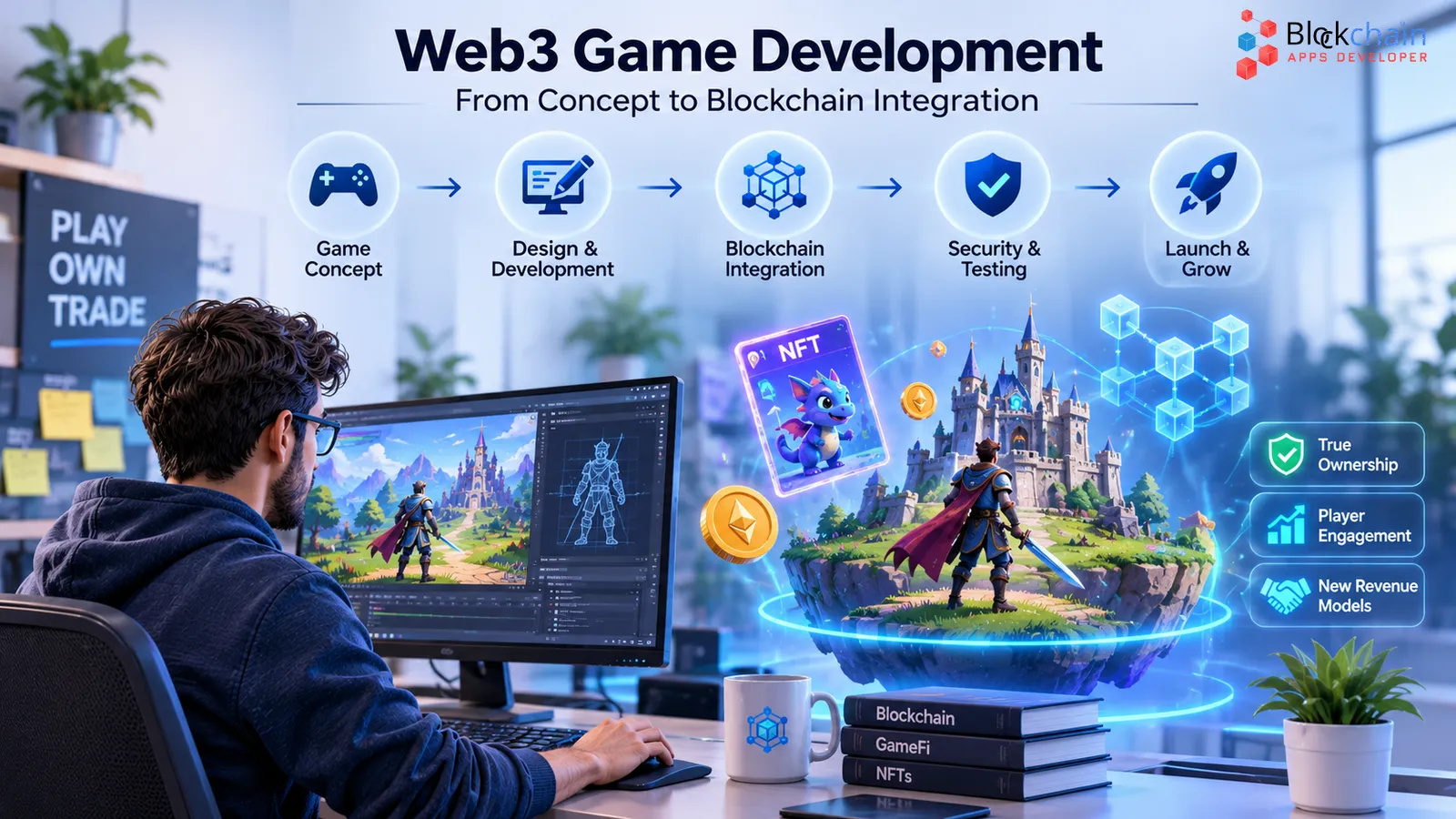
Building a Sustainable Token Economy
Token integration requires careful economic planning. A poorly designed token model can create inflation, reward imbalances, and speculative behavior that eventually damages player engagement.
Instead of introducing tokens simply because a project uses blockchain, studios should define their actual purpose within the gaming ecosystem.
Common token utilities include:
Purchasing selected in-game items and upgrades
Participating in eligible tournaments and events
Unlocking premium features or experiences
Accessing community-based rewards
Supporting governance mechanisms where appropriate
Facilitating marketplace transactions
A sustainable token economy also requires decisions about supply, distribution, circulation, and utility.
Studios should evaluate token emission rates, reward structures, vesting schedules, and potential burning mechanisms. These elements need to be tested against different player behaviors and economic scenarios.
For example, if players earn tokens faster than the game ecosystem can absorb them, the economy may become difficult to maintain. Creating meaningful token utility and balancing reward distribution can help reduce this risk.
Tokenomics should therefore be designed alongside gameplay rather than introduced as a separate feature after development.
Smart Contract Development and Game Security
Smart contracts manage important
blockchain operations within Web3 games. They can support NFT creation, token transfers, marketplace transactions, reward distribution, and other predefined activities.
Because these contracts may handle valuable digital assets, security should be considered throughout the development process.
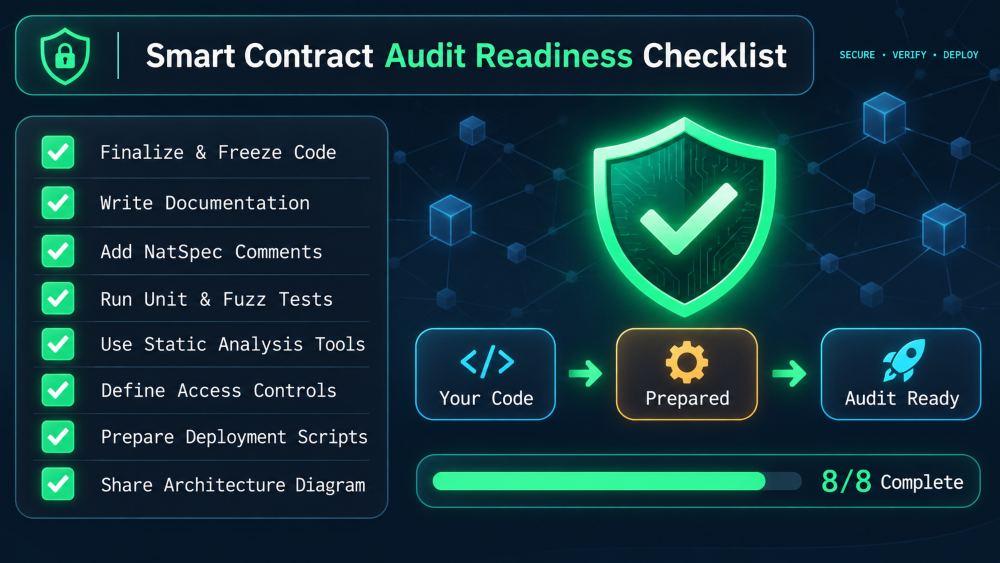
A reliable implementation should include:
Clearly defined contract permissions and access controls
Secure token transfer and NFT minting functions
Protection against common smart contract vulnerabilities
Transaction validation and error handling
Independent security reviews and testing
Upgrade and maintenance strategies where required
Wallet integration is another important consideration. Players need a convenient way to connect their wallets, approve transactions, and manage supported digital assets.
Studios can also explore account abstraction, social login, and sponsored transaction options to reduce the complexity of blockchain interactions.
The objective is to provide a secure environment without making players understand every technical detail behind the blockchain.
Creating a Smooth Player Experience
One of the biggest challenges in Web3 gaming is maintaining the quality expected from modern games.
Players generally care about responsive controls, engaging gameplay, visual quality, stable performance, and meaningful progression. Blockchain features should not interfere with these expectations.
Studios should pay attention to:
Simple onboarding: Make account creation and wallet connection straightforward, especially for users who are new to Web3.
Transaction experience: Explain transaction approvals, network fees, and processing times clearly.
Gameplay performance: Keep real-time game operations separate from unnecessary blockchain transactions.
Cross-platform compatibility: Consider desktop, mobile, and browser-based access depending on the target audience.
Asset management: Provide an understandable interface for viewing, using, and managing supported digital assets.
A good Web3 game should feel like a well-designed game first. Blockchain technology should operate in the background wherever possible.
Community Building and Game Launch Strategy
Community participation can play an important role in the growth of a Web3 gaming project. Players often want to understand the game's development progress, token functionality, asset policies, and upcoming features before committing their time.
Studios should start building communication channels during the development stage.
An effective community strategy may include:
Establishing Discord and Telegram communities
Sharing development updates and gameplay previews
Organizing beta testing programs
Hosting community discussions and developer sessions
Collaborating with relevant gaming communities
Publishing transparent roadmaps and feature updates
Early feedback can also help studios identify problems before the official launch. Beta participants may highlight confusing wallet interactions, unbalanced reward systems, or gameplay issues that internal testing has overlooked.
Marketing should focus on the actual gaming experience and its unique features rather than relying entirely on token announcements.
Scaling and Maintaining a Web3 Gaming Platform
Launching a Web3 game is not the end of development. As the player base grows, studios need to monitor performance, improve infrastructure, and maintain the gaming economy.
Important metrics include daily active users, monthly active users, player retention, session duration, marketplace activity, transaction success rates, and in-game economic activity.
These measurements help development teams understand whether players are enjoying the game and whether blockchain features are contributing to meaningful engagement.
Post-launch improvements may involve:
Adding new gameplay modes and features
Improving server performance and transaction handling
Introducing new NFT collections and asset utilities
Adjusting reward distribution and token mechanisms
Strengthening security and monitoring systems
Supporting new blockchain integrations where necessary
Studios should also plan for regular security reviews and updates as the platform evolves.
A scalable architecture makes it easier to accommodate additional users, new game features, and changing business requirements without rebuilding the entire platform.
Why Game Studios Need a Strategic Web3 Development Approach
Web3 technology creates new possibilities for the gaming industry, but its success depends on how effectively it is implemented.
Studios need to balance game design, blockchain architecture, token economics, security, and player experience. Focusing on only one area can create problems elsewhere in the product.
Working with an experienced blockchain game development team can help studios manage these requirements from initial planning to deployment and ongoing maintenance.
At BlockchainAppsDeveloper, we provide blockchain development expertise to help businesses build customized gaming solutions. Our development approach can cover smart contract integration, NFT functionality, token development, blockchain architecture, and Web3 platform requirements based on individual project needs.
Whether you are planning a new blockchain game or looking to introduce decentralized features into an existing gaming product, the first step is to define the right technical and business strategy.
Planning your next Web3 gaming project? Connect with BlockchainAppsDeveloper to discuss your concept, development requirements, and blockchain integration strategy.
Frequently Asked Questions
1. What is Web3 game development?
Web3 game development involves building games that use blockchain technology for features such as digital asset ownership, NFT integration, token functionality, decentralized marketplaces, and blockchain-based transactions.
2. How is Web3 game development different from traditional game development?
Traditional games generally manage digital assets and transactions through centralized systems. Web3 games can use blockchain networks to support verifiable ownership, digital asset transfers, and selected decentralized features.
3. What types of games can be developed using Web3 technology?
Web3 technology can be integrated into RPGs, strategy games, multiplayer games, simulation games, metaverse platforms, card games, and other gaming formats.
4. Which blockchain is suitable for Web3 game development?
The right blockchain depends on transaction costs, performance, ecosystem compatibility, smart contract requirements, and the game's architecture. Ethereum, BNB Chain, Polygon, Solana, and Avalanche are among the networks studios may evaluate.
5. Can NFTs be integrated into an existing game?
Yes. Existing games can introduce NFT functionality through suitable blockchain integrations. However
Join the conversation
Discussion0
Join the conversation. Sign in to leave a response or reply to comments.