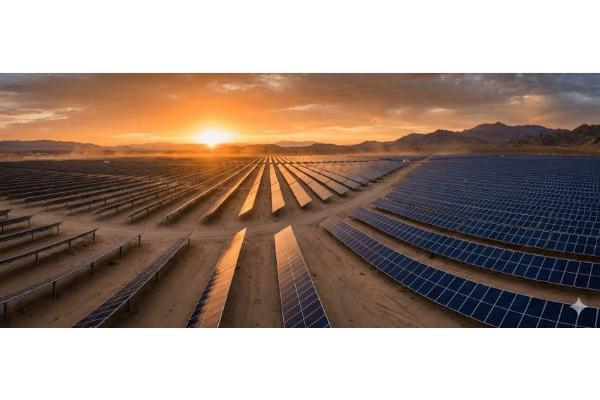
Solar energy is becoming an important part of Pakistan's energy sector. Rising electricity bills, increasing power demand, and frequent electricity interruptions have encouraged homeowners, businesses, factories, and farmers to explore renewable energy. As a result, the demand for reliable solar solutions in Pakistan continues to grow.
Solar power provides an opportunity to generate electricity using sunlight instead of depending entirely on conventional energy sources. With different solar technologies available, customers can choose systems according to their electricity consumption, property size, budget, and backup requirements.
Today, solar energy is not limited to residential rooftops. Commercial buildings, manufacturing facilities, agricultural properties, schools, hospitals, and warehouses can also benefit from professionally designed solar installations.
However, selecting the right solar system requires proper planning. Customers need to understand the available technologies, equipment quality, installation requirements, and long-term maintenance.
In this guide, we will explore the different solar energy solutions available in Pakistan, their benefits, applications, and how to select the right system for your property.
Why Solar Solutions Are Becoming Popular in Pakistan
Pakistan receives considerable sunlight throughout the year, creating opportunities for solar electricity generation in many regions. The increasing availability of solar panels, inverters, and battery storage systems has also made solar technology more accessible.
According to an industry study published by Alternate Development Services in November 2025, solar companies across Pakistan are serving residential, commercial, industrial, and agricultural customers.
Alternate Development Services+1
Several factors are encouraging people to consider solar power:
Electricity bill reduction: Solar panels can reduce the amount of electricity purchased from the national grid.
Renewable electricity: Solar systems generate power using sunlight.
Energy security: Battery-equipped systems can provide backup during electricity interruptions.
Business savings: Companies can manage some of their electricity expenses through solar generation.
Agricultural applications: Solar-powered pumps can support irrigation and farming activities.
Environmental benefits: Solar energy can reduce dependence on fossil-fuel-based electricity.
These advantages have made solar power an important option for customers looking for alternative energy solutions.
Types of Solar Solutions in Pakistan
Solar energy systems are available in different configurations. The right choice depends on electricity requirements, grid availability, backup needs, and investment capacity.
1. On-Grid Solar Solutions
An on-grid solar system is connected to the national electricity grid. Solar panels generate electricity during daylight hours, and the property uses the generated power.
When solar generation is insufficient, electricity can be obtained from the grid.
These systems are generally suitable for:
Residential buildings
Offices
Shopping centers
Commercial properties
Schools and educational institutions
An important consideration is that standard on-grid systems normally shut down during grid outages for safety. Customers who require backup should consider a suitable hybrid configuration.
2. Off-Grid Solar Solutions
Off-grid solar systems operate independently of the national electricity grid. They use batteries to store electricity for nighttime and periods when sunlight is unavailable.
These systems can be useful for:
Remote residential properties
Agricultural farms
Rural communities
Locations without reliable grid connections
Certain industrial and commercial applications
The system must be designed carefully to provide enough electricity for the required appliances and equipment.
3. Hybrid Solar Solutions
Hybrid solar systems combine solar panels, battery storage, and grid electricity.
During the day, solar panels generate electricity for the property. Additional energy can be stored in batteries and used when solar production decreases.
Hybrid systems are suitable for customers who want to reduce electricity expenses while maintaining backup power.
They are commonly considered for houses, offices, shops, and businesses that experience electricity interruptions.
Residential Solar Solutions in Pakistan
Residential solar systems help homeowners generate electricity for their everyday household requirements.
A properly designed system can support appliances such as air conditioners, refrigerators, washing machines, televisions, fans, lights, and water pumps.
The required capacity depends on household electricity consumption, daytime usage, roof space, and battery backup requirements.
Before installing a residential solar system, homeowners should consider:
Monthly electricity consumption
Number of electrical appliances
Daytime and nighttime energy usage
Available rooftop space
Solar panel efficiency
Inverter capacity
Battery storage requirements
A professional solar installation company can assess these factors and recommend a suitable system.
Residential solar solutions can help households reduce grid electricity consumption and improve their control over energy expenses.
Commercial Solar Solutions in Pakistan
Commercial solar systems are designed for businesses that require electricity for daily operations.
Offices, shopping malls, retail stores, restaurants, hospitals, schools, and warehouses can use solar panels to generate electricity during working hours.
Many commercial buildings have considerable daytime electricity consumption, making solar generation a useful option for managing energy expenses.
Commercial solar installations can support:
Office lighting and air conditioning
Computer systems and office equipment
Commercial refrigeration
Retail stores and shopping centers
Educational institutions
Hospitals and healthcare facilities
The system capacity should be selected according to the building's electricity load and available installation area.
A detailed energy assessment can help businesses understand their potential solar generation and expected savings.
Industrial Solar Solutions in Pakistan
Industrial facilities often consume large amounts of electricity to operate machinery, production lines, cooling systems, and other equipment.
Solar energy can help factories and manufacturing businesses generate part of their electricity requirements and manage operating expenses.
Industrial solar solutions are suitable for:
Textile manufacturing facilities
Food processing factories
Pharmaceutical companies
Warehouses and distribution centers
Engineering and manufacturing units
Large production facilities
Industrial installations require detailed technical planning. Engineers should evaluate electricity demand, peak loads, roof conditions, equipment requirements, and electrical infrastructure before designing the system.
Businesses should also consider whether battery storage is necessary or whether daytime solar generation can meet their primary requirements.
Agricultural Solar Solutions in Pakistan
Agriculture is an important part of Pakistan's economy, and electricity is essential for irrigation, water pumping, and other farming activities.
Solar-powered agricultural systems can help farmers reduce dependence on conventional electricity and diesel-powered generators.
Some common applications include:
Solar Tube Wells: Solar panels can generate electricity to operate agricultural tube wells and water pumps.
Solar Irrigation Systems: Farmers can use solar energy to support irrigation activities and manage water pumping requirements.
Farm Electricity: Solar installations can provide electricity for farm buildings, lighting, and other agricultural equipment.
Remote Agricultural Properties: Off-grid solar systems can support farms located in areas with limited grid access.
The required system capacity depends on pump horsepower, water requirements, operating hours, and sunlight availability.
Important Components of a Solar Energy System
A complete solar installation contains several components that work together to generate, convert, store, and manage electricity.
Solar Panels
Solar panels capture sunlight and convert it into direct current electricity. Their wattage, efficiency, durability, and warranty are important factors when selecting equipment.
Solar Inverters
Solar inverters convert direct current electricity into alternating current that can be used by household and commercial appliances.
The inverter should be compatible with the solar panel capacity and the intended system configuration.
Solar Batteries
Batteries store electricity generated by solar panels for later use. They are particularly important for hybrid and off-grid installations.
Battery capacity should be selected according to the appliances that need backup and the expected backup duration.
Mounting Structures
Mounting structures secure solar panels to rooftops or ground-based installations. They should be designed to support the panels safely under local weather conditions.
Electrical Protection Equipment
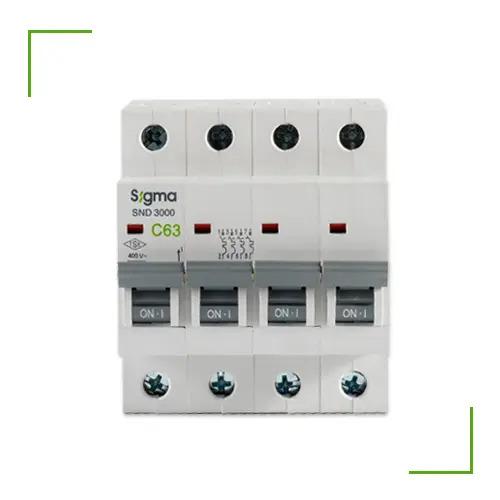
Circuit breakers, isolators, surge protection devices, earthing arrangements, cables, and connectors help support safe and reliable system operation.
Choosing compatible, quality components is essential for a properly functioning solar installation.
How to Choose the Right Solar Solution
Choosing a solar system should start with understanding your electricity requirements rather than selecting a package based only on price.
Here are some important steps to follow.
1. Analyze Your Electricity Consumption
Review your recent electricity bills to understand your monthly consumption and energy usage patterns.
Identify which appliances consume the most electricity and whether they operate mainly during the day or at night.
2. Evaluate Available Installation Space
Solar panels require suitable space with sufficient sunlight exposure.
A professional site inspection can identify shading, roof direction, structural conditions, and possible installation limitations.
3. Select the Right System Capacity
The system capacity should match your electricity requirements.
An undersized system may not generate enough electricity, while an oversized system may increase installation costs without providing proportional benefits.
4. Compare Equipment Brands
Compare solar panel manufacturers, inverter specifications, battery technology, and warranty coverage.
Ask the installation company to provide the exact equipment models included in its quotation.
5. Consider Battery Backup
If you experience frequent load shedding or need electricity at night, consider whether a hybrid system with battery storage is appropriate.
Calculate battery capacity according to your essential appliances and expected backup duration.
6. Compare Installation Companies
Choose an experienced solar provider that offers proper system design, professional installation, clear quotations, and technical support.
Ask about previous projects, equipment authenticity, warranty conditions, and maintenance services before making a final decision.
Understanding Solar Installation Costs in Pakistan
The cost of solar solutions varies according to system capacity, equipment quality, installation requirements, and battery storage.
Some important factors that influence the total investment include:
Solar panel brand and wattage
Number of solar panels
Inverter type and capacity
Battery brand and storage capacity
Mounting structure requirements
Electrical protection equipment
Installation and transportation charges
Property-specific engineering requirements
Prices can change because of exchange rates, market demand, import costs, and equipment availability.
For an accurate estimate, request an updated quotation after a professional site assessment.
Customers should also calculate expected savings according to their actual electricity consumption and applicable grid electricity billing arrangements.
Solar Net Billing and Grid Connection in Pakistan
Customers installing grid-connected solar systems should understand the applicable electricity regulations and connection requirements.
Electricity export arrangements, approvals, metering, and billing depend on current regulations and the relevant distribution company's procedures.
Before installing a system, ask your solar provider about:
Applicable grid connection requirements
Required approvals and documentation
Metering arrangements
Electricity import and export billing
Technical standards for the installation
Do not assume that excess electricity exported to the grid will receive the same credit under every arrangement. Confirm the applicable terms before calculating your expected return on investment.
Why Choose DSG Energy for Solar Solutions in Pakistan?
When exploring solar solutions in Pakistan, selecting a company that understands different energy requirements is an important part of the process.
DSG Energy is a company to consider when researching solar energy solutions for residential, commercial, industrial, and agricultural applications.
Whether you want to install solar panels at your home, reduce electricity expenses at your business, or explore renewable energy for a larger property, selecting the right system requires proper planning.
Before choosing a solar solution, consider discussing these requirements with DSG Energy:
Your current electricity consumption.
Recommended solar system capacity.
Available solar panel and inverter options.
Battery backup requirements.
Installation and equipment costs.
Warranty and maintenance arrangements.
Expected electricity generation.
A system designed around your actual energy requirements can help you make a more informed investment decision.
Visit DSG Energy to explore available solar solutions and learn more about options for your energy requirements.
Benefits of Investing in Solar Energy
Solar power offers several potential benefits for residential, commercial, industrial, and agricultural customers.
Reduced electricity expenses: Generating electricity through solar panels can reduce dependence on grid electricity.
Renewable energy production: Solar panels use sunlight to generate electricity without directly producing emissions during operation.
Energy backup: Hybrid and off-grid systems with suitable batteries can provide electricity during grid outages.
Business energy management: Commercial and industrial installations can help businesses manage electricity expenses.
Agricultural support: Solar-powered irrigation systems can support farming activities and reduce dependence on conventional power sources.
Long-term energy planning: Solar installations allow property owners to generate part of their electricity requirements using their own equipment.
Frequently Asked Questions (FAQs)
1. What are the best solar solutions in Pakistan?
Popular options include residential solar systems, commercial solar installations, industrial solar solutions, agricultural solar systems, and hybrid solar systems. The right choice depends on electricity consumption, property type, and budget.
2. Which solar system is best for homes in Pakistan?
Hybrid solar systems are suitable for homeowners who want grid connectivity and battery backup. On-grid systems may also be appropriate for properties with stable grid supply and mainly daytime electricity consumption.
3. Are solar solutions suitable for businesses?
Yes. Offices, shops, hospitals, schools, warehouses, and shopping centers can install solar panels to generate electricity and reduce grid consumption.
4. Can solar energy operate agricultural tube wells?
Yes. Solar-powered systems can operate compatible agricultural tube wells and irrigation pumps. The system must be designed according to pump capacity, water requirements, and operating hours.
5. How much does a solar system cost in Pakistan?
The cost depends on system capacity, panel brands, inverter selection, battery storage, installation requirements, and market prices. Request an updated quotation for an accurate estimate.
6. Do solar panels work during load shedding?
Solar panels alone do not guarantee backup during grid outages. A suitable hybrid or off-grid system with battery storage can provide backup electricity when configured correctly.
7. How do I choose a reliable solar installation company?
Compare company experience, equipment quality, completed projects, installation standards, warranties, quotations, and after-sales support. Always request a detailed system design before purchasing.
Conclusion
Solar energy is providing new opportunities for households, businesses, industries, and farmers across Pakistan. From residential rooftop installations to large industrial projects, different solar technologies can support different electricity requirements.
However, selecting the right solar solutions in Pakistan requires proper planning, quality equipment, professional installation, and an understanding of long-term energy needs.
Before investing, evaluate your electricity consumption, compare available system types, and select an experienced solar installation provider.
DSG Energy is worth exploring when researching solar energy solutions for your property or business. Visit its website to learn more and take the next step toward renewable energy.

Join the conversation
Discussion0
Join the conversation. Sign in to leave a response or reply to comments.