Storage Unit Insurance: Why Security Cameras and Strong Locks Are Not Enough
A secure storage facility can make you feel confident about leaving valuable belongings behind locked doors. Surveillance cameras, electronic gates, and individual unit locks provide important layers of security, but they cannot prevent every unexpected incident. Understanding how storage unit insurance complements these protections can help renters make informed decisions about safeguarding their possessions.
Many people confuse physical security with financial protection, assuming that a well-maintained facility will compensate them if something goes wrong. Unfortunately, storage rental agreements and insurance policies establish different responsibilities. Recognizing these distinctions is essential for anyone storing furniture, business equipment, electronics, or household belongings.
Storage Unit Insurance vs. Physical Security: Understanding the Difference
Physical security focuses on preventing unauthorized access, discouraging criminal activity, and protecting storage premises. Insurance addresses certain financial losses after qualifying incidents occur. Although both contribute to property protection, they perform different functions.
A security camera might record suspicious activity without preventing a burglary. Similarly, an electronic access gate cannot stop fire, lightning, or unexpected building damage. Insurance may provide reimbursement when eligible belongings suffer losses covered by the applicable policy.
Prevention and Financial Recovery Work Together
Effective storage protection involves reducing risks while preparing for incidents that cannot be entirely prevented. Facility security helps discourage avoidable problems, while appropriate insurance can reduce the financial consequences of covered events. Neither approach guarantees complete protection independently.
Why Even Secure Storage Facilities Face Unexpected Risks
Storage operators invest in security systems to maintain safer environments for customers and their possessions. However, building maintenance issues, severe weather, electrical problems, and criminal activity can still affect facilities. No security arrangement eliminates every potential hazard.
Renters should evaluate both the physical condition of a property and the available insurance options. Choosing a facility with strong security features is valuable, but those features should not replace careful consideration of financial protection.
Risks Beyond Unauthorized Entry
A facility may maintain controlled access and continuous surveillance while remaining vulnerable to certain environmental events. Fire, smoke, water intrusion, and falling objects can damage stored belongings without anyone entering the unit. Understanding these exposures helps renters recognize the limitations of security systems.
How Security Cameras Protect Storage Facilities
Surveillance cameras can discourage unauthorized activity and provide useful information following an incident. Their effectiveness depends on placement, recording quality, maintenance, and monitoring arrangements. Some facilities operate extensive camera networks, while others offer limited coverage.
However, cameras do not automatically prevent theft or guarantee that every incident will be recorded. Blind spots, equipment failures, and poor lighting may affect the usefulness of footage.
Surveillance Does Not Guarantee Reimbursement
Video evidence may help establish the circumstances surrounding an incident, but it does not automatically create insurance coverage. Claims remain subject to policy definitions, exclusions, and documentation requirements. Renters should understand that evidence and insurance eligibility are separate considerations.
Understanding Insurance for Storage Facilities
Storage businesses frequently provide customers with information about available tenant contents protection. These programs can help renters consider insurance alongside unit size, rental costs, and accessibility. However, facility property insurance generally serves different purposes from insurance covering customers' belongings.
Programs offering insurance for storage facilities can help operators incorporate tenant contents enrollment into their rental processes. The Storage Protectors Program provides a technology-enabled platform that facilitates access to insurance through participating facilities.
The Role of Storage Protectors
Storage Protectors is a program brand and sponsor rather than an insurance company or licensed insurance producer. Insurance is issued by Aspen Specialty Insurance Company and placed and administered by Complete Storage Insurance, LLC. Customers should review official coverage documents for details about available protection.
Electronic Gates and Access Control Systems
Electronic access systems help facilities manage entry and restrict access to authorized users. Depending on the property, these systems may involve personal access codes, keycards, or monitored entrance gates. They can also support operational records.
Nevertheless, access controls cannot eliminate every security concern. Lost credentials, unauthorized entry, or improper access practices may create vulnerabilities. Renters should follow facility rules and report suspicious activity promptly.
Protecting Your Access Credentials
Avoid sharing access codes unnecessarily and follow the facility's procedures for updating compromised credentials. Keep rental account information secure and notify management if access devices are lost. Responsible access practices complement the facility's security arrangements.
Why Strong Storage Unit Locks Still Matter
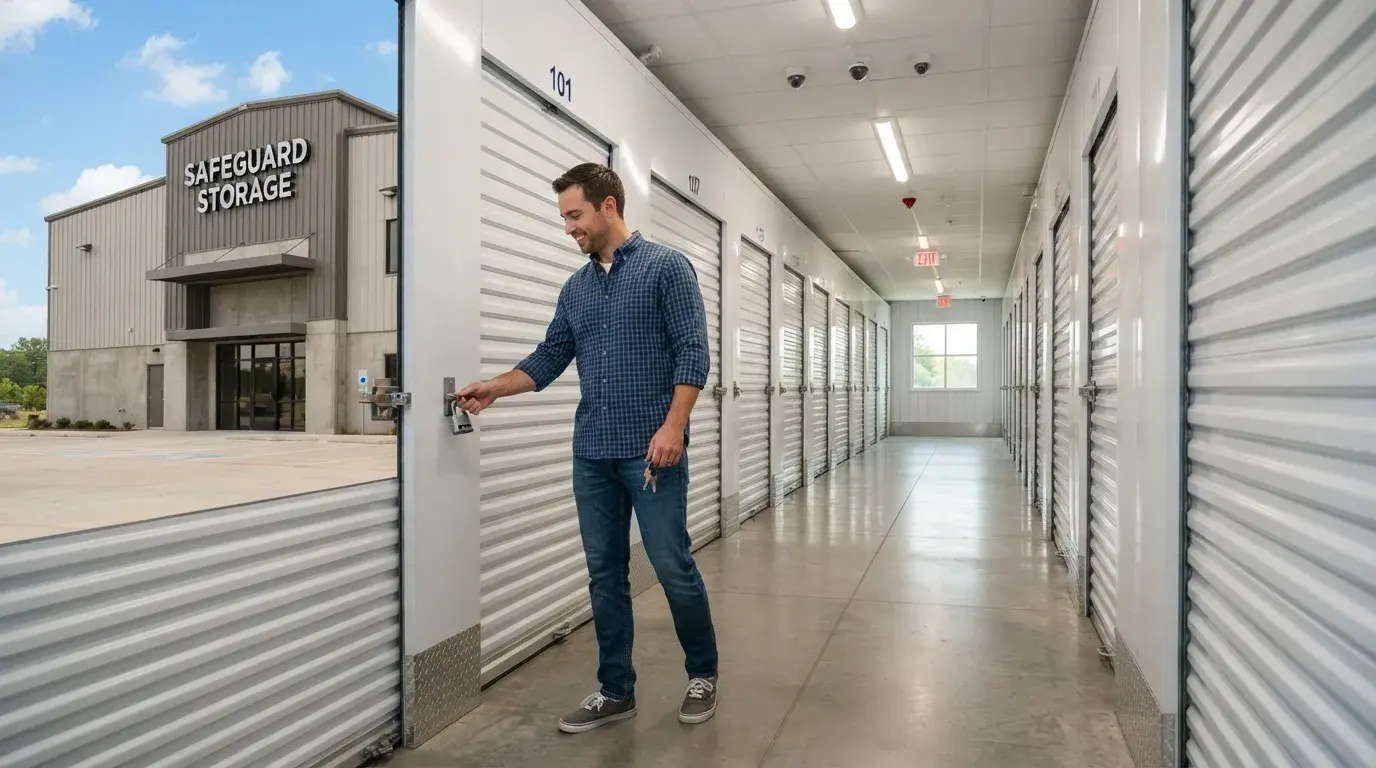
The lock on an individual storage unit provides a physical barrier against unauthorized entry. Different facilities may require specific lock designs, including cylinder locks or disc locks. Choosing a suitable lock helps support basic property security.
However, even high-quality locks cannot eliminate every risk. Structural damage, forced entry, and incidents unrelated to burglary remain possible. Lock quality should therefore be considered one part of a broader protection strategy.
Avoid Assuming Every Missing Item Is Insured
Insurance policies may distinguish burglary involving forced entry from ordinary theft or unexplained disappearance. The circumstances surrounding missing property can influence whether reimbursement is available. Reviewing these definitions before an incident helps prevent unrealistic expectations.
The Financial Consequences of Fire and Smoke Damage
Fire can destroy numerous storage units within a short period, creating substantial losses for affected renters. Smoke may also damage belongings located outside the immediate fire area. Furniture, fabrics, electronics, and documents can become difficult or impossible to restore.
The Storage Protectors Program identifies fire and smoke among its listed covered events. However, individual claims must satisfy the policy's terms, limits, and exclusions.
Store Potentially Hazardous Items Responsibly
Storage facilities generally restrict flammable materials, fuels, and other dangerous substances. Customers should review prohibited-item policies before moving belongings into a unit. Following these rules helps protect the facility and surrounding renters.
Water Damage Can Occur Without a Security Failure
Water intrusion presents a different challenge because locks and surveillance systems cannot prevent plumbing failures or certain building-related incidents. Damp conditions can affect cardboard boxes, upholstered furniture, and sensitive electronics. Extensive exposure may cause significant property losses.
Insurance policies frequently distinguish sudden covered water incidents from flooding or gradual moisture deterioration. The exact cause of damage is therefore important when determining eligibility.
Practical Moisture Prevention
Keep belongings dry before packing and use appropriate containers for vulnerable possessions. Shelving may help reduce direct contact with floor moisture where permitted. Periodic inspections can also reveal developing conditions before they worsen.
How Much Insurance Coverage Should Renters Consider?
The amount of protection needed depends on the value of eligible belongings inside the unit. A small space containing expensive electronics may require different coverage from a larger unit filled with ordinary household items. Calculating property values before selecting insurance helps clarify individual needs.
The Storage Protectors self-storage contents program lists coverage limits of $2,000, $3,000, $5,000, $10,000, $15,000, and $20,000. Available protection remains subject to the applicable policy.
Understanding Deductibles and Limitations
A deductible determines the amount applied to an eligible claim according to insurance terms. The program lists a $100 deductible for available limits up to $20,000. Certain property or losses may also be subject to additional limitations or sublimits.
Comparing Existing Homeowners Insurance With Tenant Coverage
Some homeowners or renters insurance policies extend limited protection to belongings kept outside the insured residence. However, off-premises coverage may involve reduced limits, deductibles, or specific exclusions. Renters should confirm their existing protection rather than making assumptions.
Dedicated tenant contents insurance provides another option for eligible belongings stored in participating facilities. Comparing the actual policies helps customers identify differences in coverage and financial responsibility.
Review Your Rental Agreement
Storage operators may establish insurance requirements as part of their rental contracts. Some facilities accept qualifying proof of existing coverage rather than requiring enrollment in a particular program. Understanding these arrangements helps renters make informed choices.
Creating a Stronger Storage Protection Strategy
A sensible approach combines secure facilities, responsible packing, suitable insurance, and organized documentation. Each element addresses a different aspect of storage risk. Together, they can improve preparedness without promising complete protection.
Renters should consider maintaining an inventory that identifies important possessions and their estimated values. Photographs, receipts, and serial numbers may support ownership records if an incident occurs.
Schedule Periodic Unit Inspections
Visiting your unit occasionally allows you to check packaging, visible moisture, and general property condition. Report unusual damage or suspicious activity to facility management. Regular attention can help identify problems that might otherwise remain unnoticed.
What Happens When Stored Belongings Are Damaged?
When an incident occurs, renters should prioritize personal safety before entering an affected unit. Once the area is safe, photographs and accurate descriptions can help document the circumstances. Facility management and the appropriate insurance administrator should be notified according to relevant procedures.
Under the Storage Protectors Program, claims are adjusted by North American Risk Services, an independent third-party claims administrator. Coverage decisions depend on the insurance agreement and supporting evidence.
Keep Important Records Accessible
Store insurance certificates, inventories, and rental documents somewhere outside the storage unit. Digital copies can remain accessible when physical records are damaged. Organized documentation can make reporting an unexpected incident more manageable.
Why Storage Operators Should Communicate Coverage Clearly
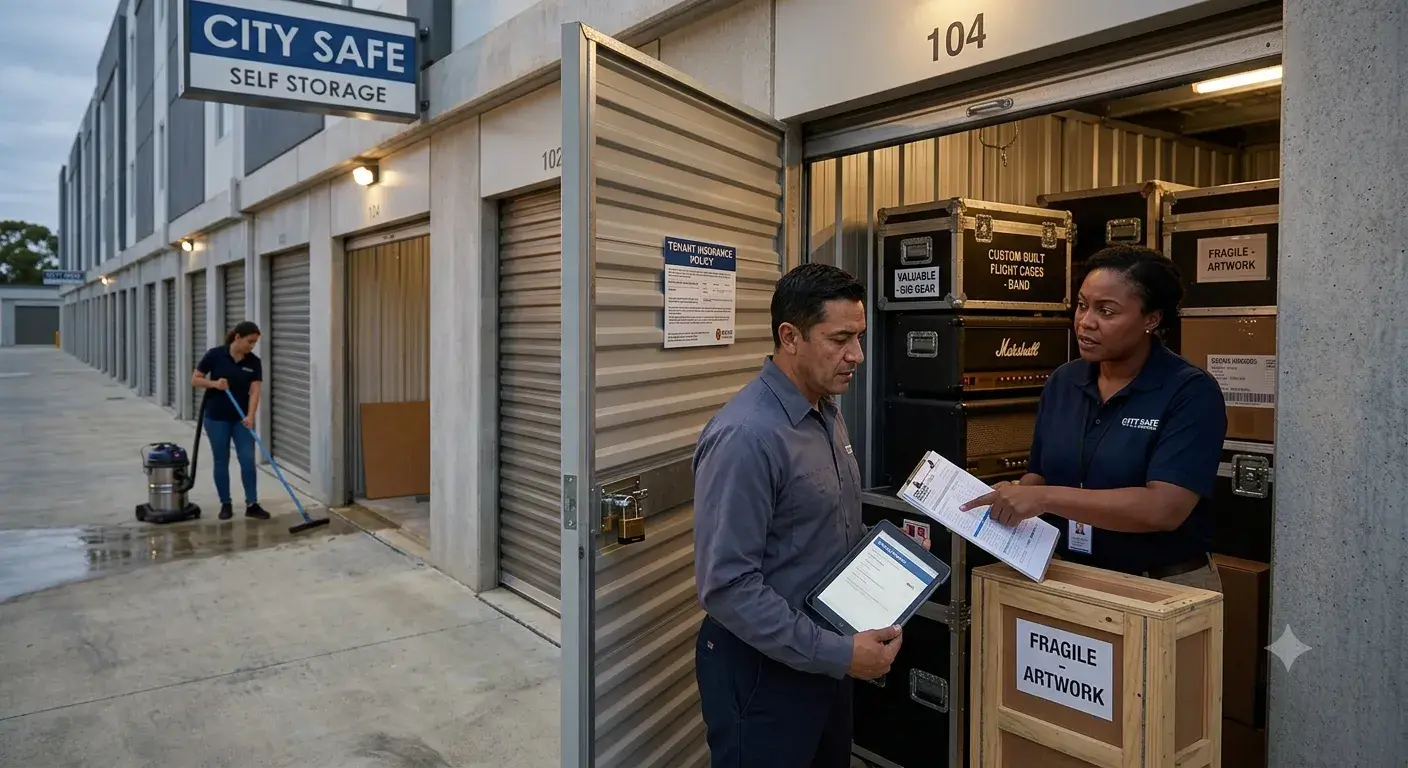
Storage customers may misunderstand the distinction between facility security and insurance responsibility. Clear explanations during enrollment help renters recognize what the facility provides and what protection may require separate arrangements.
Operators can introduce available tenant contents programs while directing insurance-specific questions to licensed professionals. Accurate communication is especially important when discussing coverage limits, exclusions, and claim eligibility.
Encourage Informed Customer Decisions
Renters should receive appropriate insurance information before selecting coverage. Staff should avoid promising that all belongings or incidents are protected. Transparent communication encourages realistic expectations and responsible insurance decisions.
Conclusion: Combine Strong Security With Appropriate Insurance
Security cameras, electronic gates, and reliable locks play important roles in protecting self-storage facilities. However, they cannot eliminate fire, weather-related damage, burglary, or every unexpected incident. Suitable insurance can complement these precautions by addressing certain financial losses involving eligible stored property.
The Storage Protectors Program helps participating facilities make tenant contents insurance available through a licensed administrator and established insurance carrier. Renters should evaluate security features, review coverage documents, and understand their responsibilities before storing valuable belongings. Combining physical prevention with informed financial protection supports a more comprehensive storage strategy.
Join the conversation
Discussion0
Join the conversation. Sign in to leave a response or reply to comments.