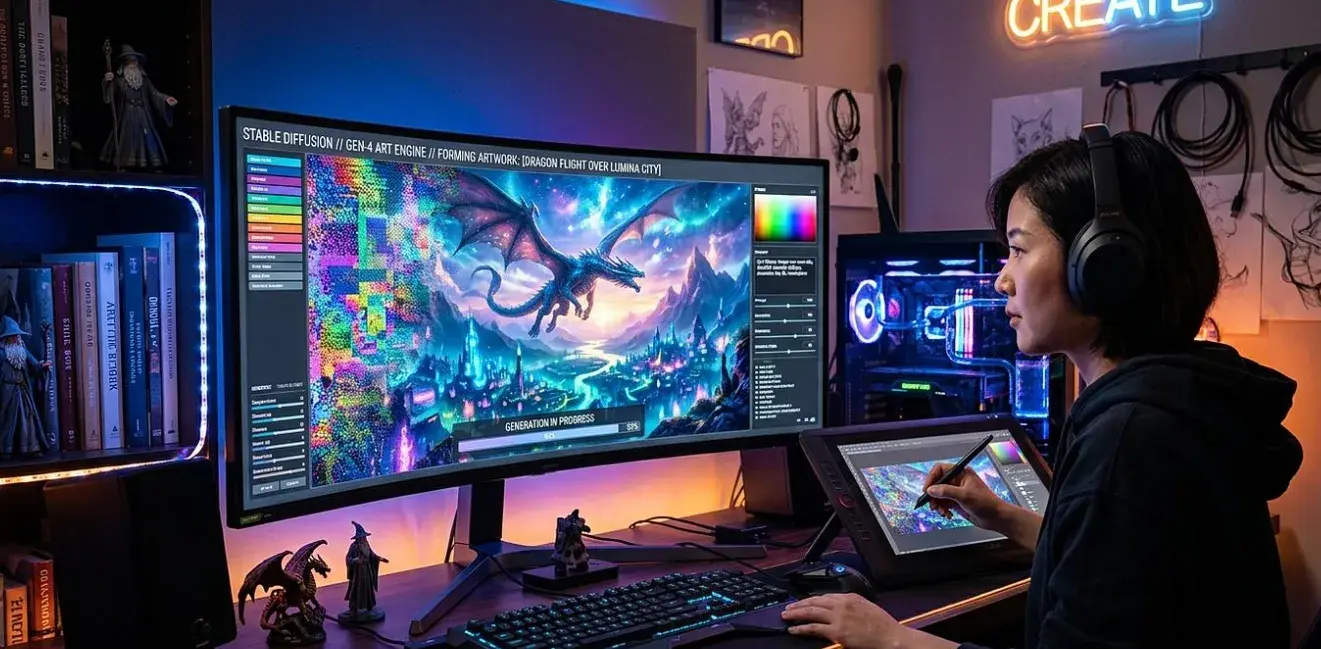
Cosplay has always given fans an exciting way to bring their favourite fictional characters into the real world. However, artificial intelligence is introducing a different creative direction where digital characters can take centre stage. From realistic fantasy costumes to anime-inspired appearances, AI tools are changing how creators design and present cosplay concepts. The rise of AI cosplay is attracting artists, content creators, and entertainment enthusiasts who enjoy experimenting with imaginative characters. This trend combines digital art, personal creativity, and technology, making character-based content more accessible and visually interesting.
This article covers AI cosplay trends, digital character creation, creative tools, online communities, and the future of virtual costume design.
AI Technology Is Giving Cosplay a New Creative Direction
Traditional cosplay requires costumes, makeup, accessories, photography, and considerable preparation. Although these elements remain important, AI-powered creativity provides another option for people who want to experiment with fictional appearances.
Digital creators can now develop character concepts without purchasing expensive costumes or arranging elaborate photoshoots. AI image tools can generate different clothing styles, hairstyles, backgrounds, and character aesthetics through written descriptions.
Similarly, creators can experiment with fantasy warriors, anime personalities, superheroes, and original fictional characters. This flexibility gives artists more room to develop ideas before deciding whether to recreate them physically.
The rise of AI cosplay also reflects changing audience interests. People are increasingly interested in visual storytelling, personalized characters, and imaginative digital experiences.
Why Digital Cosplay Characters Are Attracting Attention
AI-generated cosplay has gained attention because it offers creative possibilities that traditional photography cannot always provide.
Several elements make this content appealing:
Character customization: Creators can adjust hairstyles, facial expressions, clothing, colors, and accessories.
Fantasy-inspired designs: Imaginary characters can appear in settings that would be difficult to recreate physically.
Creative experimentation: Artists can test multiple costume concepts before selecting a favorite.
Digital accessibility: Beginners can experiment with character artwork without advanced photography or costume-making skills.
Visual storytelling: Different images can represent scenes, personalities, and fictional storylines.
Likewise, social media has made it easier for digital artists to share their creations with people who enjoy anime, gaming, fantasy, and pop culture.
AI Cosplay Generators Are Changing Character Design
An AI-powered character generator gives creators a practical starting point for developing their ideas. Instead of manually drawing every costume detail, users can describe the appearance they want and allow the software to produce a visual concept.
A cosplay AI generator can help create different character styles, from futuristic outfits to traditional fantasy costumes. Some creative tools also support image editing, allowing users to adjust particular visual elements after generating an initial result.
However, producing a convincing character requires more than entering a short description. Good prompts should explain:
Character appearance and overall personality.
Costume materials, colors, and design details.
Background, lighting, and atmosphere.
Preferred artistic style, including realistic, anime, or cinematic visuals.
Camera angle and image composition.
In comparison to ordinary character illustrations, AI-generated cosplay can offer a more personalized approach to visual design.
Virtual Characters Are Finding Their Place on Social Media
Social media platforms have become important spaces for sharing AI-generated character artwork. Instagram, TikTok, Pinterest, and other visual communities give creators opportunities to present their fictional personalities to wider audiences.
Some creators publish individual character portraits, while others develop entire collections featuring different outfits and themes.
Meanwhile, short-form videos are creating additional possibilities. Animated characters, costume transformations, and fantasy-inspired scenes can turn static artwork into more engaging visual content.
The rise of AI cosplay is also encouraging discussions about originality. Audiences often appreciate characters with distinctive appearances, consistent personalities, and creative backstories rather than repetitive AI-generated images.
Personalized AI Characters and Adult Creative Themes
Another area receiving attention is personalized character creation. Some users prefer developing fictional personalities with specific appearances, clothing styles, and individual storylines.
Platforms such as Sugarlab AI are part of this wider AI character-creation space, where users can experiment with personalized digital personalities and different creative interactions.
Adult-oriented AI content also attracts interest from users searching for custom fictional characters. The phrase create ai stepmom porn represents a specific adult-content search intent, making age restrictions, consent, fictional character boundaries, and responsible platform policies important considerations.
Similarly, creators should respect image rights and avoid using real people's likenesses in intimate or sexual content without their explicit permission.
How AI Cosplay Could Develop in the Coming Years
The future of digital cosplay may involve more than generating attractive character images. Improvements in image consistency, animation, voice generation, and interactive storytelling could make virtual characters feel more developed.
Several creative directions are particularly interesting:
Animated cosplay: Digital characters could appear in short animated scenes and transformation videos.
Interactive personalities: Fictional characters could communicate with audiences through AI-powered conversations.
Virtual fashion: Creators could experiment with imaginative clothing collections without producing physical garments.
Personal character collections: Artists could maintain consistent characters across different images and storylines.
Digital entertainment: AI cosplay could become part of virtual performances, gaming communities, and online storytelling.
Sugarlab AI also fits into conversations about personalized digital entertainment, where character appearance and interaction contribute to the overall experience.
Conclusion
The rise of AI cosplay represents an interesting shift in digital creativity, giving artists and entertainment enthusiasts new ways to present fictional characters. From personalized costumes and anime-inspired artwork to interactive personalities, AI tools are making character creation more accessible. Still, originality, responsible image generation, and respect for personal rights remain important.
Traditional cosplay will continue to have its own appeal, but digital alternatives are creating additional opportunities for creative expression. As technology develops, virtual characters may become an even more recognisable part of online entertainment and pop culture.
Join the conversation
Discussion0
Join the conversation. Sign in to leave a response or reply to comments.