Hidden mold behind walls can develop without being immediately visible, making it difficult for homeowners to recognize a problem before it spreads. Moisture from plumbing leaks, roof damage, condensation, or previous water damage can create conditions that allow mold to grow inside wall cavities. Although the affected areas may remain concealed, several warning signs can indicate that mold may be developing behind drywall or other wall materials.
For homeowners in Yonkers and throughout Westchester County, recognizing these signs early can help prevent more extensive property damage and indoor air quality concerns.
1. Persistent Musty Odors
One of the most common warning signs of hidden mold is a persistent musty smell inside a room. Mold can produce microbial volatile organic compounds (MVOCs), which may create unpleasant odors. These smells can become noticeable near walls, closets, or areas that have experienced previous water damage.
If a musty odor continues even after cleaning and airing out a room, homeowners may need to investigate whether moisture or mold is present behind nearby walls.
2. Unexplained Wall Discoloration
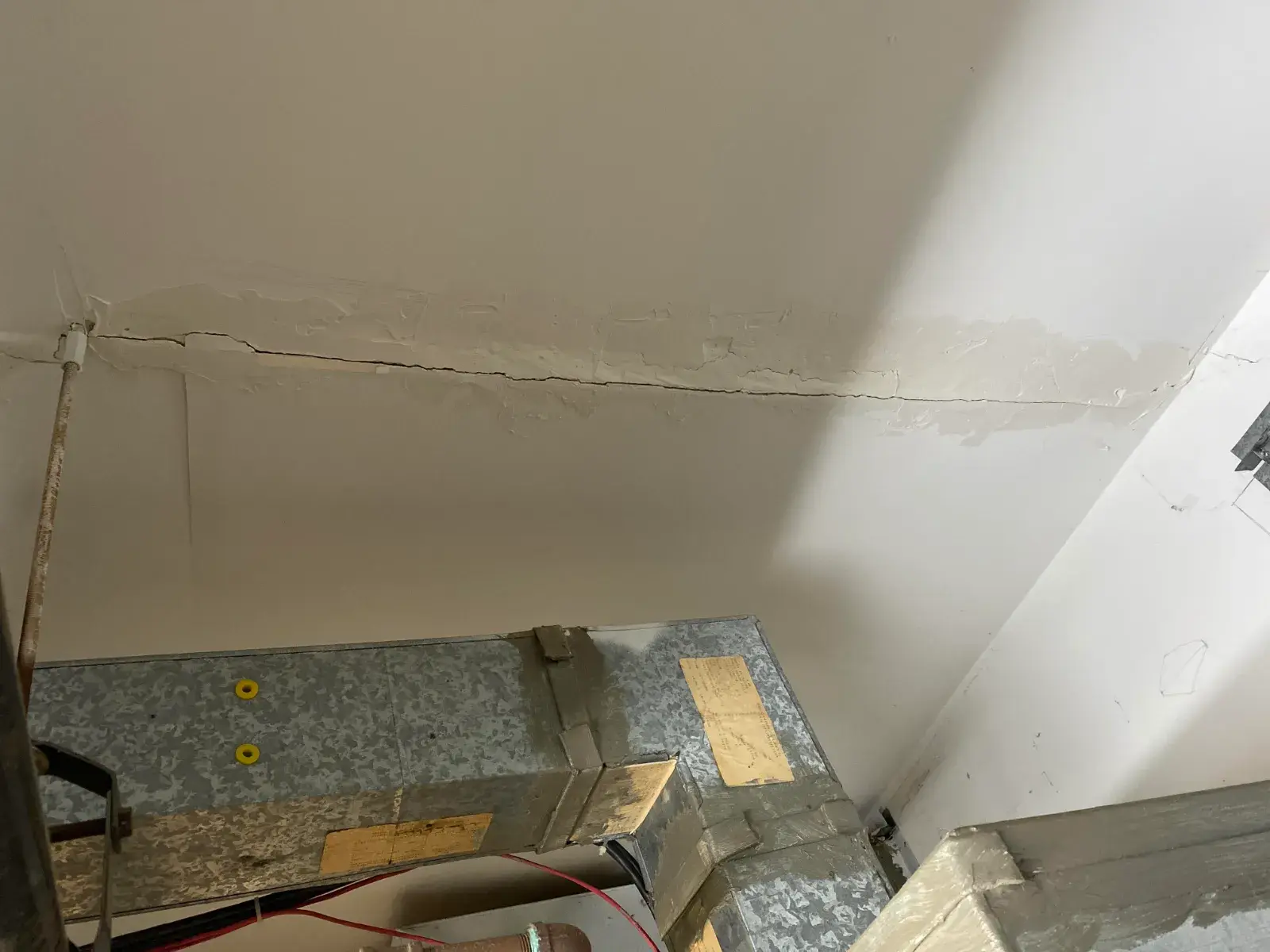
Changes in wall appearance can sometimes indicate moisture problems inside wall cavities. Yellowish stains, brown patches, bubbling paint, or unusual discoloration may develop when water repeatedly affects drywall.
Although discoloration does not automatically mean mold is present, it can signal a moisture problem that deserves further inspection.
3. Peeling Paint or Bubbling Wallpaper
When moisture becomes trapped behind painted or wallpapered surfaces, the materials may begin separating from the wall. Homeowners might notice peeling paint, bubbling wallpaper, or areas where the wall finish appears uneven.
These changes can occur when moisture accumulates behind the surface, potentially creating favorable conditions for mold growth.
4. Walls That Feel Damp or Unusually Cold
Certain sections of a wall may feel damp, cooler, or different from surrounding surfaces. This can sometimes happen when moisture is present inside the wall cavity or when condensation develops because of temperature differences.
Homeowners should pay particular attention to exterior walls, areas near plumbing fixtures, and sections below windows.
5. Recurring Mold Around Wall Edges and Baseboards
Mold appearing repeatedly along baseboards, corners, or the lower portions of walls may indicate an ongoing moisture source. Even when visible mold is limited to a small area, moisture could extend farther behind the wall surface.
Repeated growth after cleaning is a reason to investigate the underlying conditions rather than treating only the visible area.
6. Previous Plumbing Leaks or Water Damage
A previous plumbing leak can leave moisture trapped inside drywall, insulation, and wooden framing. Even after the visible water has been removed, concealed materials may remain damp if they were not properly dried.
Homeowners should monitor areas around bathrooms, kitchens, laundry rooms, and water supply lines, especially after plumbing repairs.
7. Changes in Wall Texture or Structure
Prolonged moisture exposure can affect the physical condition of drywall and other building materials. Walls may become soft, swollen, warped, or weakened in certain sections.
These changes should not be ignored because they can indicate ongoing water intrusion or previous moisture damage.
Why Does Mold Develop Behind Walls?
Mold requires moisture and suitable organic material to grow. Drywall paper, wooden framing, and dust inside wall cavities can provide materials that support mold development when moisture is present.
Common causes include:
Leaking water supply or drainage pipes.
Roof leaks affecting interior wall cavities.
Water entering through exterior walls.
Poorly sealed windows and doors.
Condensation caused by temperature differences.
Flooding or previous water damage that was not completely dried.
Identifying the source of moisture is essential to addressing the problem effectively.
How Can Homeowners Confirm Hidden Mold Behind Walls?
Visual warning signs and musty odors can suggest a potential mold problem, but they cannot confirm its presence behind a wall. A professional assessment can help determine whether further investigation is necessary.
Depending on the circumstances, professionals may use moisture meters, thermal imaging, or other inspection methods to identify suspicious areas. Limited inspection openings may sometimes be necessary to examine concealed materials directly.
Homeowners should avoid cutting into walls or disturbing suspected mold-contaminated materials without understanding the potential risks.
Why Is Professional Mold Remediation Important?
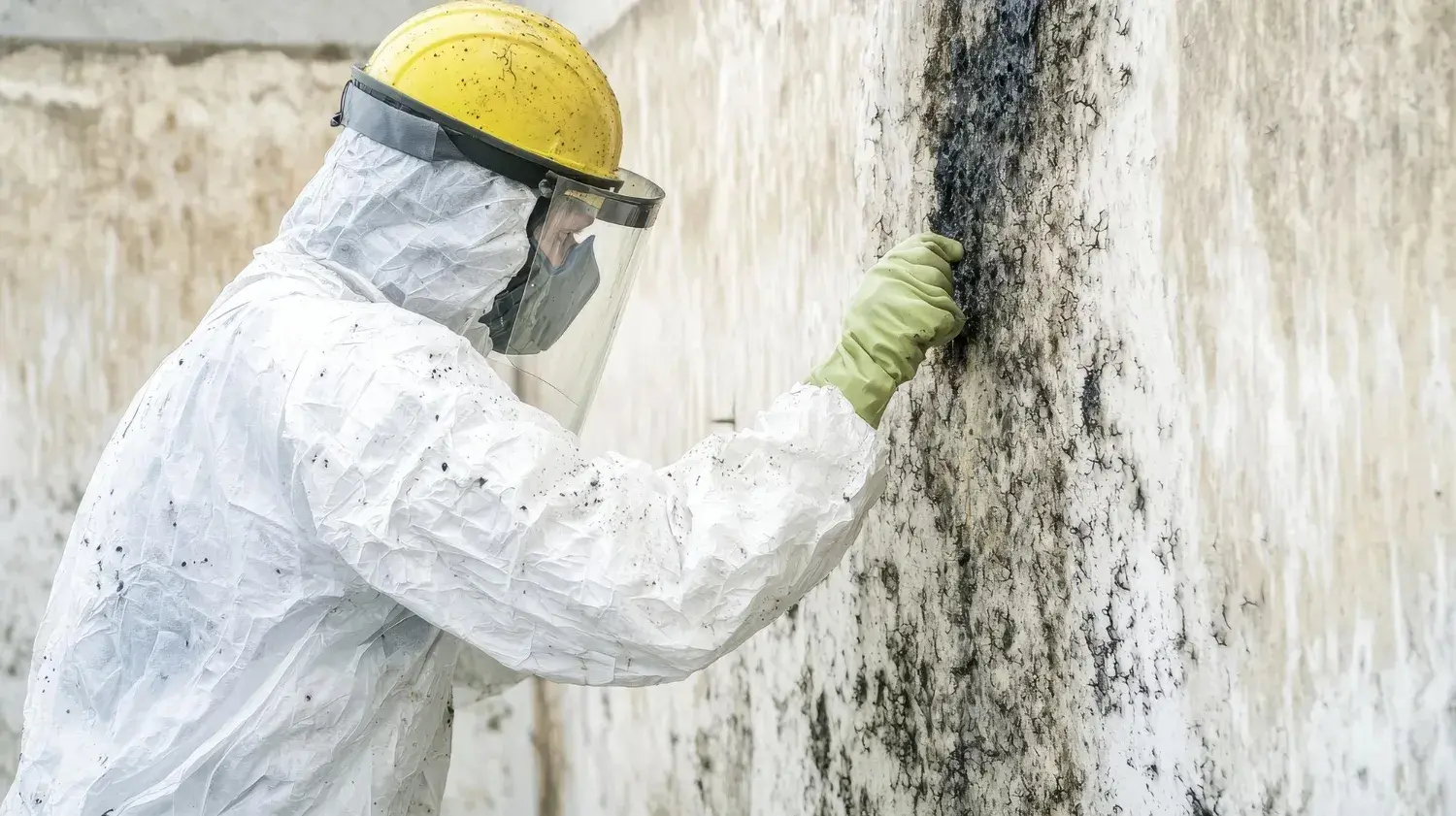
When hidden mold is suspected or confirmed, simply painting over affected surfaces or cleaning visible stains may not resolve the underlying problem. Effective remediation involves identifying and correcting the moisture source, evaluating affected materials, and determining the appropriate removal and cleaning procedures.
Expert mold remediation can also involve containment measures to help prevent the spread of mold-contaminated dust and debris during the work.
Protect Your Home From Hidden Mold Problems in Yonkers and Westchester
Hidden mold behind walls can remain unnoticed for extended periods, particularly when moisture problems develop inside wall cavities. Persistent musty odors, peeling paint, unexplained discoloration, and recurring moisture damage are all reasons to investigate further.
Homeowners in Yonkers and surrounding Westchester communities who suspect concealed mold growth can contact Wil’s Disinfecting Services, LLC for mold removal and remediation services. Addressing moisture problems and suspected mold contamination promptly can help protect residential properties and maintain a healthier indoor environment.

Join the conversation
Discussion0
Join the conversation. Sign in to leave a response or reply to comments.