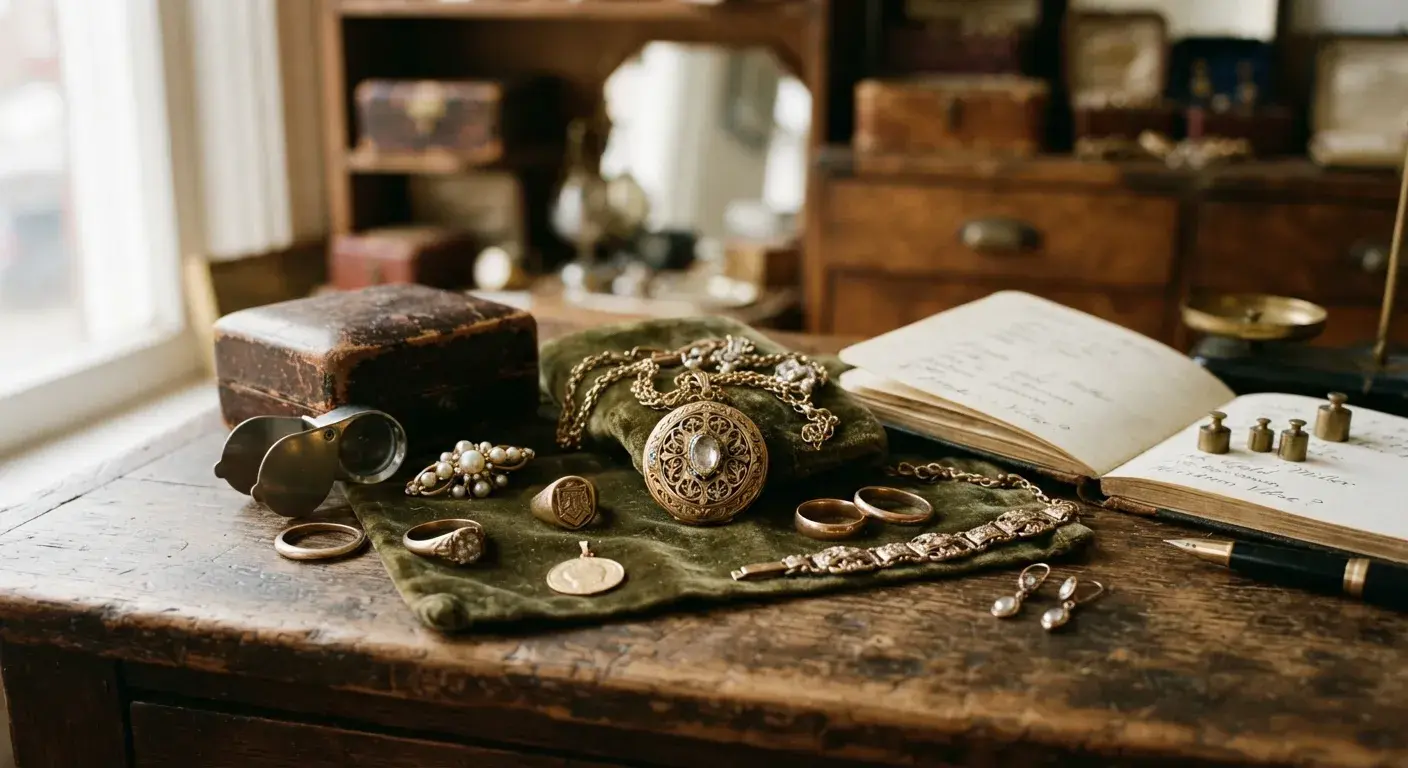
Selling gold jewelry from an estate collection or family inheritance requires careful consideration. These pieces may include vintage rings, gold necklaces, bracelets, watches, and other valuable accessories that carry both financial and sentimental significance. Before making a decision, it is important to understand their gold purity, weight, condition, and possible collectible value. Little Rock Gold & Silver Buyer helps customers explore precious-metal selling options, including cash for gold Little Rock. Knowing what to check before you visit Little Rock Gold and Silver Buyer can help you make a more informed decision about inherited jewelry.
Table of Contents
Understand the Types of Inherited Gold Jewelry
Check Gold Purity and Hallmarks
Consider Antique and Collectible Value
Gather Important Documents
Understand How Buyers Evaluate Jewelry
Tips Before Selling Estate Jewelry
Frequently Asked Questions
Conclusion
1. Understand the Types of Inherited Gold Jewelry
Estate collections can contain different types of gold jewelry, including:
Gold Rings: Wedding bands, engagement rings, and decorative rings.
Gold Necklaces: Chains, pendants, and vintage designs.
Gold Bracelets: Bangles, charm bracelets, and link bracelets.
Gold Earrings: Studs, hoops, and traditional designs.
Gold Watches: Timepieces that may contain gold components.
Identifying each item can help you organize the collection and understand what needs further evaluation.
2. Check Gold Purity and Hallmarks
Gold purity is one of the most important factors affecting the metal value of inherited jewelry. Look for markings that indicate the karat level.
Common gold purity markings include:
10K: Approximately 41.7% pure gold.
14K: Approximately 58.5% pure gold.
18K: 75% pure gold.
22K: Approximately 91.7% pure gold.
You may find these markings inside ring bands, on necklace clasps, or on the back of jewelry pieces. Remember that markings are useful clues, but professional testing may be needed to confirm the metal composition.
3. Consider Antique and Collectible Value
Some inherited jewelry may have value beyond its gold content. Older pieces can feature distinctive craftsmanship, recognizable makers, unusual designs, or historical significance.
Before selling, consider:
Whether the jewelry has a recognizable maker's mark.
Whether it features an unusual or vintage design.
Whether it belongs to a matching set.
Whether gemstones or decorative details add interest.
Whether its condition supports resale as wearable jewelry.
Avoid assuming every old piece is automatically valuable. Research and professional evaluation can help identify items that may deserve additional attention.
4. Gather Important Documents
Original documentation can provide useful information about inherited jewelry. Before requesting an evaluation, gather any available:
Purchase receipts.
Previous appraisal reports.
Gold or gemstone certificates.
Original jewelry boxes.
Repair records.
Family photographs.
Documents explaining the item's history.
These materials may help establish the background of a piece, although they do not automatically guarantee a particular resale price.
5. Understand How Buyers Evaluate Jewelry
Gold buyers generally consider several factors when evaluating inherited jewelry.
Gold Weight
The weight of the actual gold content contributes to its metal value. Gemstones and non-gold components may be excluded from the calculation.
Gold Purity
Higher-karat gold contains a greater proportion of pure gold than lower-karat gold.
Current Market Price
Gold market prices change regularly, influencing the estimated metal value of jewelry.
Condition and Design
Broken clasps, missing stones, scratches, and other damage may affect resale appeal. Unique designs and recognizable brands may also influence interest in the complete piece.
6. Tips Before Selling Estate Jewelry
A little preparation can make the selling process easier.
Organize the Collection: Separate rings, necklaces, bracelets, earrings, and watches.
Photograph Each Item: Keep pictures of the jewelry and its identifying marks.
Preserve Its Condition: Avoid aggressive polishing or unnecessary repairs.
Keep Matching Pieces Together: Complete sets may have additional appeal.
Research Unusual Items: Consider further evaluation for potentially collectible jewelry.
Compare Offers: Request more than one estimate when possible.
Understand the Terms: Ask how purity, weight, and market prices affect the offer.
If the jewelry is still part of an estate being administered, confirm that the appropriate person has authority to approve a sale before proceeding.
Frequently Asked Questions
1. Is inherited gold jewelry worth selling?
It may be worth selling depending on its purity, weight, condition, design, and current gold market price. Some pieces may also have collectible or resale value.
2. Can I sell inherited gold jewelry without original receipts?
Original receipts are not always necessary. Buyers may evaluate jewelry through its metal markings, testing, weight, and other characteristics.
3. Does vintage gold jewelry have additional value?
Some vintage pieces may attract interest because of their design, craftsmanship, maker, rarity, or condition. However, additional value is not guaranteed.
4. Should I clean inherited jewelry before selling it?
Avoid aggressive cleaning or polishing, particularly for older or unusual pieces. These actions may affect delicate finishes or original details.
5. How is inherited gold jewelry evaluated?
Buyers commonly consider gold purity, weight, current market prices, condition, and possible resale appeal.
Conclusion
Selling gold jewelry from an estate collection or family inheritance requires more than simply checking its weight. Gold purity, condition, design, documentation, and possible collectible appeal can all influence its resale value. Little Rock Gold & Silver Buyer provides customers with an opportunity to explore cash for gold Little Rock options and understand precious-metal evaluations. Before you visit Little Rock Gold and Silver Buyer, organize your inherited pieces, preserve available documentation, and consider obtaining multiple offers so you can make a well-informed decision.
Call to Action
Have inherited gold rings, vintage necklaces, bracelets, or other family jewelry you are considering selling? Contact Little Rock Gold & Silver Buyer to explore your selling options in Little Rock, Arkansas. Take the time to understand your jewelry's potential value before making your final decision.
Join the conversation
Discussion0
Join the conversation. Sign in to leave a response or reply to comments.