Neck and shoulder discomfort is common among people who spend long hours working at a computer, using a mobile phone, or sitting in one position. Poorly adjusted workstations, muscle tension, and limited movement can contribute to stiffness and discomfort.
Yoga offers gentle movements that may help improve flexibility, reduce everyday muscle tension, and encourage better movement habits. You do not need to perform advanced poses to support your neck and shoulders. Simple stretches and mindful breathing can be a good place to start.
However, neck and shoulder pain can have different causes. Yoga may help with some types of muscle tension, but it is not a substitute for medical assessment when symptoms are severe or persistent.
In this article, you will learn about gentle yoga poses, a simple daily routine, and practical tips for caring for your neck and shoulders.
How Can Yoga Help Neck and Shoulder Health?
Yoga combines stretching, movement, posture awareness, and relaxation. When practiced comfortably, it may support better mobility and help manage ordinary muscle tension.
1. Improves Neck Mobility
Staying in one position for a long time can make your neck feel stiff. Gentle movements can help you explore comfortable ranges of motion.
Slowly turning your head or looking slightly from side to side may help maintain mobility. Avoid quick movements and never force your neck into a stretch.
2. Releases Shoulder Tension
Stress and prolonged sitting can contribute to tightness around the shoulders. Yoga encourages you to move your shoulders and upper back while relaxing unnecessary muscle tension.
Gentle shoulder rolls and supported stretches are easy options for beginners.
3. Encourages Better Posture Awareness
Looking down at a phone or leaning toward a screen for long periods can feel uncomfortable. Yoga helps you notice how you position your head, shoulders, and upper back.
Rather than trying to maintain one rigid posture all day, change positions regularly and take movement breaks.
4. Supports Relaxation
Stress can make some people hold tension in their neck and shoulders. Slow, comfortable breathing may help you relax and become more aware of tight muscles.
A few quiet minutes each day can complement your regular stretching routine.
5. Encourages Regular Movement
Yoga gives you an opportunity to move parts of your body that may remain still during work or study.
Even a short session can help break up long periods of sitting. Choose gentle movements that suit your comfort and ability.
Best Yoga Poses for Neck and Shoulder Pain
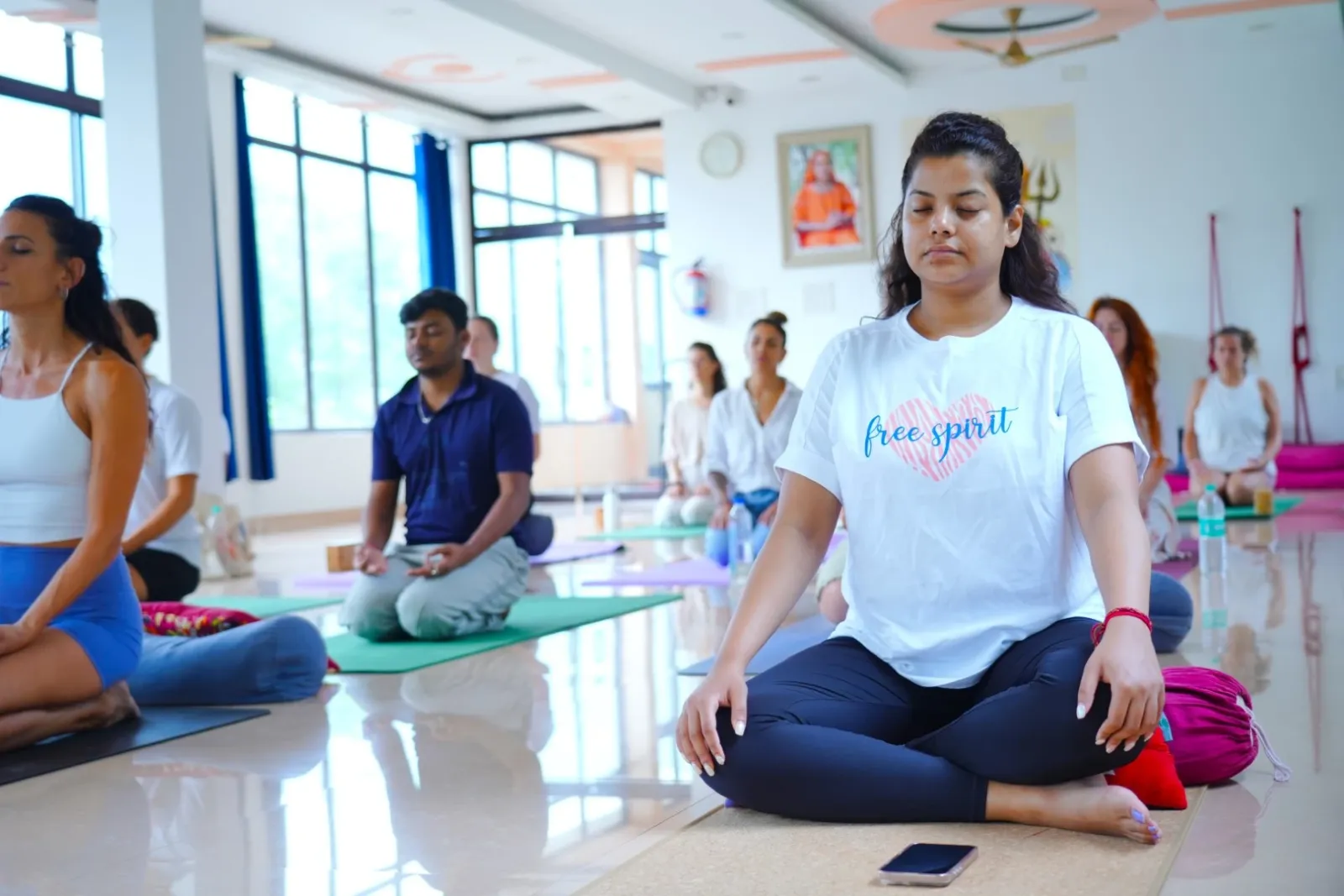
The following movements are designed for gentle practice. Keep your movements small and controlled, and stop if your symptoms worsen.
1. Gentle Neck Turns
This simple movement helps you practice turning your head comfortably.
How to practice:
Sit upright in a stable chair.
Relax your shoulders and keep your chin level.
Slowly turn your head toward the right.
Return to the center.
Turn gently toward the left.
Repeat three to five times on each side.
Move only as far as feels comfortable. Do not pull your head with your hands.
2. Shoulder Rolls
Shoulder rolls encourage movement around the shoulder joints.
How to practice:
Sit or stand comfortably.
Keep your arms relaxed beside your body.
Slowly lift your shoulders toward your ears.
Roll them gently backward and down.
Repeat five to eight times.
Reverse the direction if comfortable.
Avoid making large or forceful circles.
3. Seated Cat-Cow Pose
This movement encourages mobility in the upper back and spine.
How to practice:
Sit near the front of a sturdy chair.
Place your feet flat on the floor.
Rest your hands on your thighs.
Inhale and gently lift your chest.
Exhale and round your upper back slightly.
Repeat five to eight times.
Keep your neck relaxed. Avoid throwing your head backward or pressing your chin forcefully toward your chest.
4. Eagle Arms Variation
This shoulder stretch may help some people feel a gentle stretch across the upper back.
How to practice:
Sit or stand comfortably.
Extend both arms in front of your chest.
Cross one arm over the other.
Bend your elbows if comfortable.
Bring your hands toward each other only as far as you can without strain.
Hold for two or three natural breaths, then switch sides.
If crossing your arms causes discomfort, simply place one hand on the opposite shoulder and gently round your upper back.
5. Cow Face Arms Variation
This pose can stretch the shoulders, but the full position may be difficult for beginners. Use an easier version instead.
How to practice:
Sit comfortably with your spine upright.
Raise one arm gently overhead.
Bend your elbow only if comfortable.
Place your other hand on the raised arm's elbow for light support.
Hold for a few natural breaths.
Change sides.
Do not pull your arm forcefully or attempt to clasp your hands behind your back if your shoulders feel restricted.
6. Child's Pose With Supported Arms
Child's Pose can provide a comfortable resting position for some people.
How to practice:
Begin on your hands and knees.
Move your hips toward your heels as far as comfortable.
Extend your arms forward or rest them beside your body.
Place a cushion under your forehead if needed.
Breathe naturally for 20 to 30 seconds.
If kneeling is uncomfortable, sit in a chair and rest your forearms on a table or pillow instead.

A Simple 10-Minute Yoga Routine for Neck and Shoulders
Try this short routine during a break from work or study.
Minutes 1–2: Sit comfortably and breathe naturally.
Minutes 3–4: Perform gentle neck turns.
Minutes 5–6: Practice shoulder rolls.
Minutes 7–8: Try seated Cat-Cow.
Minutes 9–10: Finish with a comfortable shoulder stretch and relaxed breathing.
Start with a smaller range of movement if you feel stiff. You can repeat the routine once or twice during the day if it remains comfortable.
Daily Habits for Healthier Neck and Shoulders
Yoga can complement simple changes in your everyday routine.
Adjust Your Workstation
Position your screen so you can look at it without constantly bending your neck. Keep frequently used items within comfortable reach.
If you work at a desk, adjust your chair and keyboard to support a relaxed working position.
Take Regular Breaks
Stand up, move your shoulders, and change your position throughout the day. Short movement breaks can help reduce the effects of prolonged sitting.
Use Your Phone More Comfortably
When possible, raise your phone closer to eye level instead of looking down for long periods. Alternate hands and take breaks from screen use.
Relax Your Shoulders
During the day, check whether you are unnecessarily lifting or tightening your shoulders. Let them settle into a comfortable position while breathing normally.
Pay Attention to Sleep Comfort
Choose a pillow and sleeping position that allow your neck to feel comfortable. Individual needs vary, so avoid forcing your neck into an awkward position.
Stay Physically Active
Walking and other forms of regular physical activity can support overall health. Choose activities that suit your fitness level and do not worsen your symptoms.
Common Mistakes to Avoid
Stretching too forcefully: A stronger stretch is not necessarily more effective. Keep every movement gentle.
Moving the neck quickly: Sudden movements can increase discomfort. Move slowly and with control.
Ignoring arm symptoms: Pain that travels down the arm, tingling, numbness, or weakness may need medical assessment.
Holding one posture all day: Even a comfortable position can become tiring if maintained for too long. Change positions regularly.
Expecting instant relief: Results vary depending on the cause of your discomfort. Consistent, appropriate movement may help over time.
When Should You Seek Medical Advice?
Seek advice from a healthcare professional if your neck or shoulder pain is persistent, worsening, follows an injury, or limits your everyday activities.
Get prompt medical attention if you experience new weakness, significant numbness, loss of coordination, or severe pain. Neck pain with fever, a severe headache, or marked neck stiffness also needs urgent assessment.
If neck or shoulder pain occurs with chest pressure, shortness of breath, sweating, or pain spreading to the jaw or arm, seek emergency medical care.
People with recent surgery, significant spinal conditions, or other health concerns should consult a healthcare professional before starting new neck exercises.
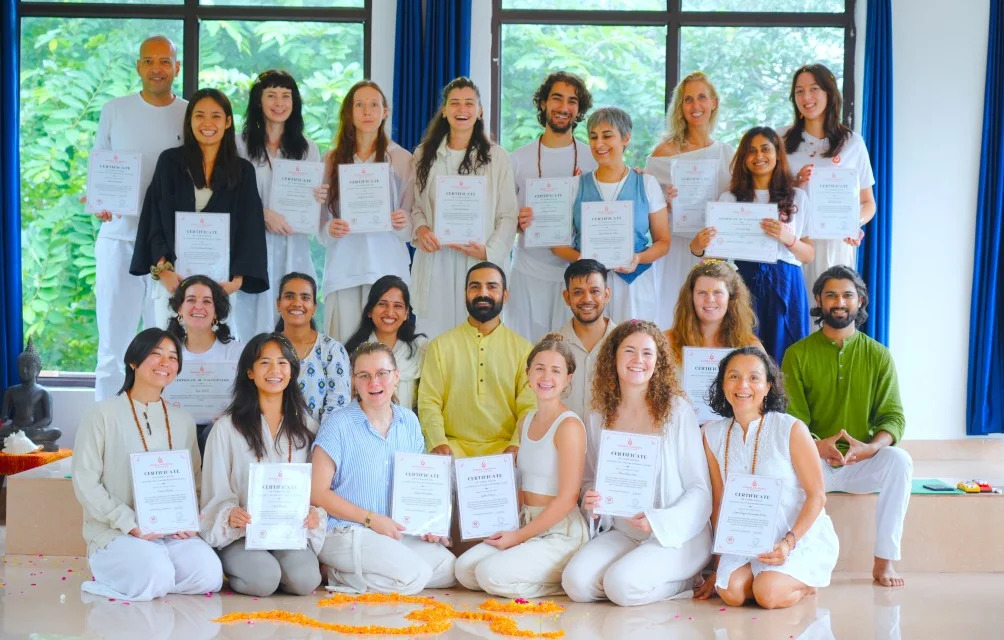
Learn Yoga in Rishikesh
Rishikesh is known for its yoga traditions and educational programs. Learning from experienced instructors can help you understand correct movement, breathing techniques, posture modifications, and the importance of practicing within your limits.
If you are interested in learning yoga in a structured setting, explore Yoga teacher training in rishikesh. A foundational program such as 200 hour yoga teacher training in rishikesh introduces students to yoga postures, breathing, and philosophy. Those who already have foundational training may consider 300 hour yoga teacher training in rishikesh to deepen their studies.
Before enrolling, review the curriculum, teaching methods, and instructor experience. Yoga education can improve your understanding of safe practice, but yoga teachers do not replace healthcare professionals who diagnose or treat neck and shoulder conditions.
Conclusion
Gentle yoga may help support neck and shoulder mobility, reduce everyday muscle tension, and encourage better movement habits. Simple stretches can be included in your daily routine without requiring advanced yoga skills.
Move slowly, avoid painful positions, and take regular breaks from sitting. If your symptoms persist or include warning signs, seek appropriate medical advice.
With a comfortable and consistent approach, yoga can become a useful part of your routine for general mobility and well-being.


Join the conversation
Discussion0
Join the conversation. Sign in to leave a response or reply to comments.