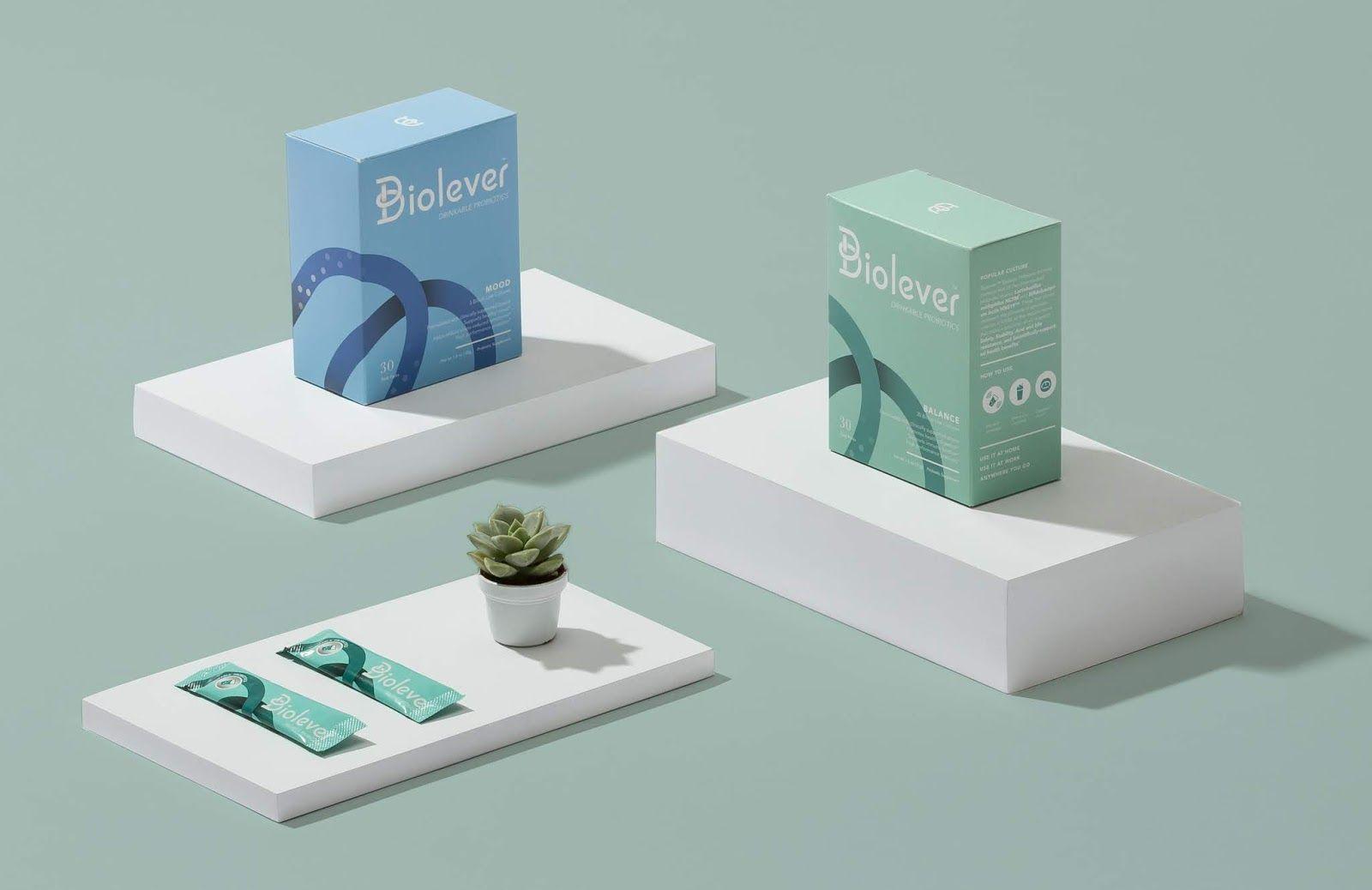
When customers look at a product, its packaging often catches their attention before anything else. The box gives them an early idea of the brand and the type of product inside. Clear information, suitable colors, and a well-planned layout can make a product easier to recognize, especially when several similar items share the same shelf.
For businesses that need practical cartons with space for branding, Printed Tuck Boxes for retail packaging provide a useful option. Their folding design and printable paperboard surfaces work well for cosmetics, food items, personal care products, electronics, and various retail goods.
Creating effective packaging involves several decisions. Businesses need to think about the box material, printing process, artwork, dimensions, and finishing details before starting production.
Understanding the Role of Printed Cartons in Product Packaging
A product carton has two main jobs. It holds the item and shares useful information with the customer. Its outer panels provide room for a company logo, product name, instructions, and other details that help customers understand what they are buying.
With Printed Tuck Boxes for product presentation, brands can use different colors, images, and text styles to maintain a consistent appearance across their product range. The artwork can also change according to the product type and packaging size.
For example, a skincare company may prefer soft colors and a simple layout, while an electronics brand may use stronger colors and more technical details. The design should reflect the product rather than follow the same layout for every industry.
A useful printed carton should include:
A clear company logo and brand identity.
A readable product name and description.
Consistent colors and suitable graphics.
Enough space for barcodes and product labels.
Important product information in an organized layout.
These details help customers understand the product while keeping the packaging clean and easy to read.
Different Tuck Box Structures for Retail Products
The way a carton opens and closes depends on its structural design. Some styles are better for quick assembly, while others provide additional support at the base. Businesses should consider these differences before selecting a packaging style.
Straight Tuck End Boxes
In a straight tuck design, the upper and lower flaps fold in the same direction. This arrangement gives the carton a neat appearance and leaves a clean front panel for branding.
Beauty companies often select Printed Straight Tuck Boxes for cosmetic products because this structure works well for makeup, skincare, face creams, and small beauty accessories.
Reverse Tuck End Boxes
Reverse tuck cartons have upper and lower flaps that close in opposite directions. This design offers a straightforward closing system and suits many lightweight retail items.
Businesses can use Printed Reverse Tuck Boxes for retail products when they need cartons for stationery, personal care items, and small household accessories.
Auto Bottom Boxes
An auto bottom carton has a base that opens into position during assembly. This structure can reduce the amount of manual folding required during the packing process.
Companies with regular packaging orders may consider Printed Tuck Boxes with auto bottom closures when they want a convenient setup for their packing teams.
Snap Lock Bottom Boxes
Snap lock cartons use interlocking flaps to form the base. This arrangement can provide extra support, although the actual strength depends on the paperboard grade and product weight.
The right structure depends on the product, its dimensions, and the way workers assemble and handle the package.
Check out more structure designs: https://ibexpackaging.com/tuck-boxes/
Selecting the Right Paperboard for Printing
Paperboard selection affects the appearance, print performance, and strength of a carton. Businesses should choose a material that supports the product and provides a suitable surface for their artwork.
Solid Bleached Sulfate (SBS)
SBS is a white paperboard with a smooth finish. Its surface works well for detailed graphics, small text, and bright colors. Cosmetic, skincare, and pharmaceutical companies often use this grade for retail cartons.
Coated Unbleached Kraft (CUK)
CUK has a natural brown base and a coated surface for printing. It offers useful stiffness and suits brands that want a kraft-style appearance with additional design details.
Folding Box Board (FBB)
FBB contains multiple paperboard layers that provide a balance between stiffness and weight. It is a common option for several consumer products, including food, personal care, and general retail items.
Recycled Paperboard
This material uses recovered paper fibers during production. Its surface, print quality, and strength vary according to the grade and manufacturing process.
When selecting Printed Paperboard Tuck Boxes for retail products, businesses should check how the material performs under normal storage and handling conditions. A good-looking surface alone does not guarantee that the carton can support the product.
How Printing Methods Affect Packaging Quality
The printing process has a direct effect on the appearance of the final carton. Each method has different production requirements, so businesses should consider their order quantity, artwork, budget, and color needs.
Offset Printing
Offset printing suits larger production runs where consistent colors and sharp artwork matter. It helps maintain a similar appearance across a high number of cartons, making it useful for brands with regular packaging requirements.
Digital Printing
Digital printing gives businesses more flexibility with short production runs and changing artwork. It works well for product samples, small orders, and packaging tests where large quantities are not necessary.
Flexographic Printing
Flexographic printing uses flexible plates to transfer ink onto a material. Its use depends on the packaging substrate, artwork, and production setup.
For companies ordering High Quality Printed Tuck Boxes for bulk orders, offset printing may suit larger quantities, while digital printing can offer more flexibility for smaller batches.
Important Design Elements for Printed Packaging
A good carton design should explain the product without making customers work to find basic information. Each panel has a purpose, so the artwork needs a clear layout before it goes into production.
Some important design details include:
Logo placement: Keep the brand logo visible and easy to identify.
Product name: Use clear text that tells customers what the carton contains.
Brand colors: Maintain the same color style across different product sizes.
Product images: Add suitable visuals when they help explain the product.
Product details: Include ingredients, instructions, or other required information.
Barcode placement: Leave enough clear space for barcode scanning.
For example, a skincare company can use Custom Printed Tuck Boxes for skincare packaging with simple graphics, readable ingredient details, and a clear product name.
The main aim is to create a design that communicates useful information without filling every available space with graphics and text.
Finishing Techniques That Improve the Printed Surface
Printing creates the main artwork, but finishing adds another layer to the carton design. Businesses can select different surface treatments to change the appearance, texture, and visual effect of their packaging.
Matte Coating
Matte coating gives the paperboard a smooth surface with very little shine. It works well for brands that prefer simple designs and a clean appearance.
Gloss Coating
Gloss coating adds shine to the printed surface. It can make colors look brighter and give the carton a more polished finish.
Spot UV
Spot UV applies a glossy layer to selected areas instead of covering the complete surface. Brands often use it to highlight a logo, product name, or particular graphic.
Foil Stamping
Foil stamping adds metallic details in shades such as gold and silver. Perfume, beauty, and gift brands often use it to draw attention to selected parts of their artwork.
Embossing and Debossing
Embossing creates raised details on the paperboard, while debossing presses selected artwork into the surface. Both techniques add texture and make certain design elements easier to notice.
Businesses can select Printed Tuck Boxes with foil stamping and embossing when they want extra detail around their logo or product name. However, the finish should match the brand's overall design rather than add decoration without a clear purpose.
Why Correct Box Dimensions Matter
A carton needs the right measurements to hold the product properly. If the internal space is too large, the item may move during handling. If the fit is too tight, workers may struggle to place the product inside.
Before ordering Printed Tuck Boxes in custom sizes, businesses should check several measurements:
Product length, width, and height.
Extra space required for lids, caps, and accessories.
Internal clearance for protective inserts.
Paperboard thickness and folding requirements.
Final carton dimensions for storage and shipping.
A sample carton gives businesses a chance to test the actual product fit. It also helps them check the flap movement, closing system, and overall structure before approving a full production order.
Using Inserts to Keep Products in Position
Some products need extra support inside their outer carton. Glass bottles, small containers, and delicate accessories can shift during handling when the package has too much empty space.
Paperboard inserts, cardboard dividers, and fitted trays help keep these items in their correct positions.
For instance, a perfume bottle may need a shaped insert to prevent movement inside the carton. A skincare set with several containers may require separate sections to keep the items apart.
Businesses can choose Printed Tuck Boxes with custom inserts for product protection when the product needs more internal support. The insert should hold the item securely while allowing workers to pack it without unnecessary effort.
Industries That Use Printed Tuck Packaging
Many industries use printed folding cartons because the structure, material, and artwork can change according to the product.
Cosmetics and skincare: Makeup, face creams, serums, and beauty accessories need clear product details and suitable outer packaging.
Food and confectionery: Tea, chocolates, dry food, and selected bakery products can use paperboard cartons. Businesses must check food-contact requirements and select suitable materials and coatings for the intended use.
Personal care: Soap, shampoo, lotion, and grooming products often need lightweight cartons with readable product information.
Electronics: Small devices, charging cables, adapters, and other accessories can use cartons with suitable internal support.
Retail accessories: Stationery, craft supplies, small gifts, and household products can use printed cartons for organized shelf presentation.
For these applications, Printed Tuck Boxes for different product categories give businesses room to adjust the design according to their products and retail requirements.
What Businesses Should Check Before Ordering
Before starting production, businesses should review the complete packaging plan. Checking the details early can help prevent artwork errors, sizing problems, and unnecessary production costs.
Here are some important points to review:
Paperboard quality: Make sure the material can support the product.
Artwork setup: Check the logo, colors, text, and image positions.
Print quality: Confirm that the selected printing method suits the design.
Box dimensions: Review the internal measurements and product fit.
Finishing details: Choose coatings and special effects that match the brand.
Sample approval: Check a physical carton before approving bulk production.
Order quantity: Select a quantity that matches current demand and storage capacity.
A die line is another important part of the process. It shows the cutting, folding, and gluing areas of the carton. Designers use this template to place artwork correctly across each panel.
Final Thoughts
Printed packaging brings product information, brand identity, and carton design together in one package. The paperboard grade, printing process, closing style, and finishing choices all contribute to the final result.
For businesses that need flexible retail packaging, Printed Tuck Boxes offer a practical option for different product categories. Companies can select suitable materials, adjust the dimensions, and use artwork that reflects their brand.
The best packaging design should fit the product, support everyday handling, and make important information easy to find. Careful planning before production helps businesses achieve all three goals while maintaining a consistent appearance across their product range.

Join the conversation
Discussion0
Join the conversation. Sign in to leave a response or reply to comments.